Why Lenovo’s Low-Resolution Product Images Undermine Its Premium Laptop Appeal
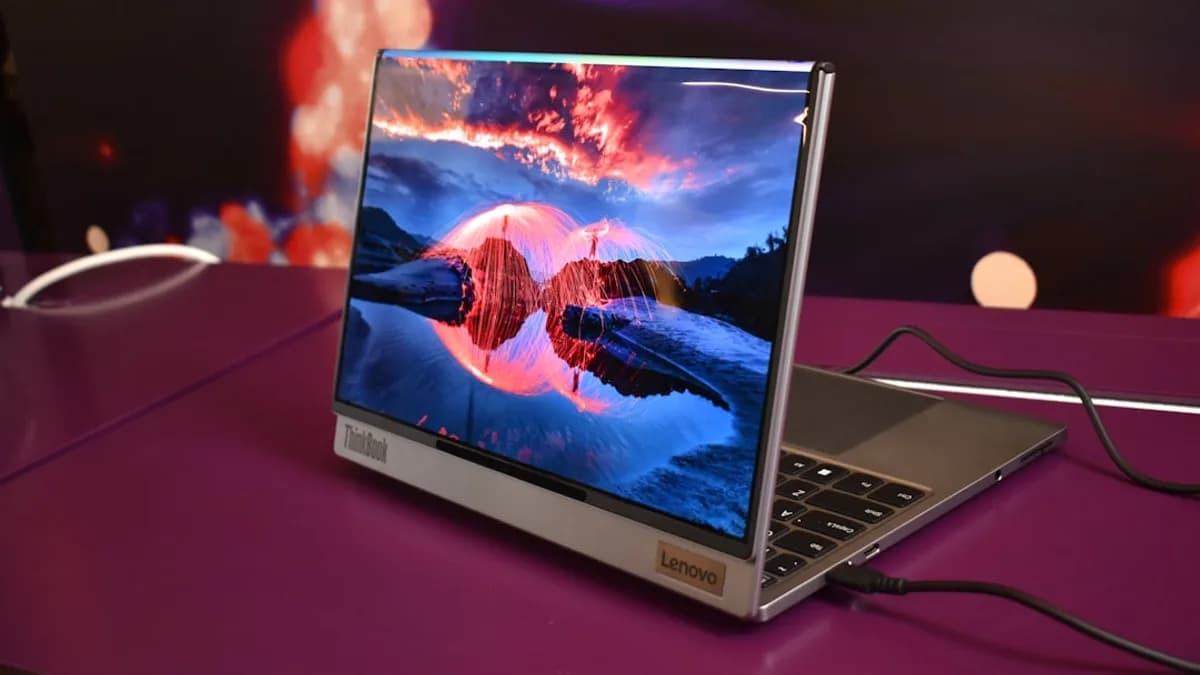
Lenovo’s high-end laptops deserve better than the muddy, pixelated product shots that haunt its official site. The Pro 9i 16 Aura—an elegant, meticulously crafted machine—looks downright pedestrian when filtered through grainy, unfocused images that fail to capture its build or port selection. This isn’t nitpicking. It’s a fundamental disconnect between Lenovo’s hardware ambitions and the digital storefront meant to sell those ambitions to the world. First impressions on e-commerce platforms are made in milliseconds, and for tech buyers, those impressions rely on sharp, accurate visuals. Every blurry edge and blown-out detail signals indifference, not innovation. According to Notebookcheck, even basic tasks—like confirming the number and type of USB ports—become a guessing game. For a brand that competes on both premium design and engineering, this is a self-inflicted wound.
How Crisp, Detailed Product Images Drive Consumer Confidence and Sales
Online shopping for laptops isn’t tactile. Shoppers can’t heft a device, inspect the finish, or see how the screen looks in ambient light. All they have are specs, reviews, and—critically—photos. High-resolution, zoomable images fill the sensory gap. They let a buyer scrutinize the keyboard layout, assess the hinge design, and verify whether that “midnight blue” is truly blue or just another shade of gray. More than aesthetics, detailed product photos are essential for transparency: ports, speaker grilles, cooling vents, and even keyboard legends matter to power users and casual buyers alike.
Competitors get this. Apple’s product pages set the gold standard—each MacBook is shot with studio lighting, every angle and port highlighted in razor-sharp detail. HP and Dell have followed suit, adding 360-degree views and interactive product tours. The payoff is obvious: Apple’s MacBooks consistently command a price premium and boast a return rate under 5% in the U.S., according to CIRP. Strong visuals shrink the gap between online browsing and in-store inspection, reducing buyer hesitation and post-purchase regret.
When Samsung relaunched its Galaxy Book lineup in 2022, it paired every spec sheet with gallery-quality photos and exploded views. The result? A 50% year-over-year surge in online sales, driven largely by customers who never saw the device in person. Across the board, clear images fuel consumer confidence—a fact not lost on brands that live or die by their design.
The Negative Impact of Lenovo’s Grainy Photos on User Experience and Brand Trust
When a $2,000 laptop is represented by photos that look like they were compressed for dial-up, it signals that something is off. Potential buyers feel that friction immediately. They squint at blurry ports, misjudge the thickness of the chassis, and second-guess whether the keyboard is backlit. Frustration mounts. Some abandon the purchase entirely, switching tabs to a competitor’s site where the product is presented with precision and pride.
This isn’t just about missed sales. It’s about misaligned expectations. If a customer orders the Pro 9i 16 Aura expecting one set of features—only to discover a different port configuration or finish upon unboxing—returns spike. Gartner estimates that 30% of all e-commerce returns stem from inaccurate or unclear product information, a costly drag on margins for hardware makers. For a premium brand, the reputational damage is even worse. Tech forums and Reddit threads fill with complaints, not about the machine itself, but about Lenovo's inability to showcase its strengths.
In a market where trust is currency, poor visual presentation devalues the brand. Shoppers who associate Lenovo with indistinct, generic imagery are less likely to evangelize or return for future purchases. That’s a long-term hit no amount of clever engineering can offset.
Addressing the Counterpoint: Why Some Might Downplay the Importance of Product Image Quality
Some argue that specs and expert reviews matter more than glossy renders, especially for tech-savvy buyers. Hardcore users, the thinking goes, know how to parse a datasheet or cross-reference reviews on YouTube. Others will say that price and raw performance trump all else—that a great deal sells itself, even with mediocre visuals.
There’s a kernel of truth here: specs and reviews do shape decisions for a segment of buyers. But even these shoppers rely on product images to confirm nitty-gritty details that text can’t always convey—keyboard layouts, port spacing, hinge shape, or color accuracy. No one wants to gamble $1,800 on a fuzzy photo and hope for the best. At a minimum, clear visuals are table stakes for any brand that wants to be taken seriously in the premium tier.
Elevating Lenovo’s Online Presence: A Call for High-Quality Visuals to Match Premium Hardware
Lenovo has the engineering chops to compete with the best. Now it needs to match that excellence in how it presents those products online. Professional, high-resolution photography isn’t a luxury—it’s a necessity for any brand that expects customers to drop four figures on a laptop they’ve never seen in person. A modest investment in better product imagery pays off in more confident buyers, fewer returns, and a brand reputation that reflects the actual quality of the hardware.
Imagine the Pro 9i 16 Aura showcased with the same attention to detail as its industrial design. Every port clear, every bevel sharp, every finish true to life. Customers would spend more time on the page, less time searching for answers, and more often, they’d click “buy.” This isn’t just about keeping up with Apple or Dell. It’s about respecting the work Lenovo’s engineers have already done—and not letting that work get lost in a sea of digital static.
Great design demands great presentation. Until Lenovo’s website reflects the quality of its machines, it’s selling both itself and its customers short. The fix is simple. The payoff could be profound.
Why It Matters
- Low-quality product images can undermine consumer trust and hurt sales for premium devices.
- Buyers rely on sharp visuals to understand features and make informed purchasing decisions online.
- Competitors offering high-resolution images set expectations that Lenovo currently fails to meet.