Why Smaller, Cheaper Roombas Could Reshape the Robot Vacuum Market
iRobot isn’t just refreshing its product line—it’s overhauling its playbook. The company, now under the ownership of Shenzhen Picea Robotics and fresh off a bankruptcy reboot, is slashing prices and shrinking its Roombas by up to 25 percent for several models. Some new vacuums are launching at £200 (roughly $270) less than their immediate predecessors—a direct assault on the traditional robot vacuum price ceiling. The message is clear: iRobot wants to reclaim relevance by making autonomous cleaning accessible to more households, not just tech enthusiasts or early adopters, according to The Verge.
This pivot comes at a moment when urban living spaces keep shrinking and consumers are scrutinizing price tags more than ever. A smaller robot with serious cleaning power is no longer a niche luxury—it’s a practical necessity for apartments and tighter homes. By betting on affordability and compact design, iRobot is signaling that premium features like advanced lidar navigation and roller mopping shouldn’t be reserved for the top end of the market.
MLXIO analysis: This isn’t just a fight for market share. It’s an attempt to reset consumer expectations about what a robot vacuum should cost and how it should fit into daily life. If successful, this move could force rivals to rethink their own pricing and design priorities, sparking a new round of innovation—or a margin crunch.
Breaking Down the New Roomba Lineup: Features, Specs, and Innovations
Eight new models hit the market this week, each one aiming to outdo its predecessor in both brains and brawn. The headline upgrades: higher suction power, more roller mop options, and the debut of “hot spot mopping.” That last feature lets Roombas target specific messes—an answer to the all-too-common problem of muddy footprints or kitchen spills that standard vacuums miss.
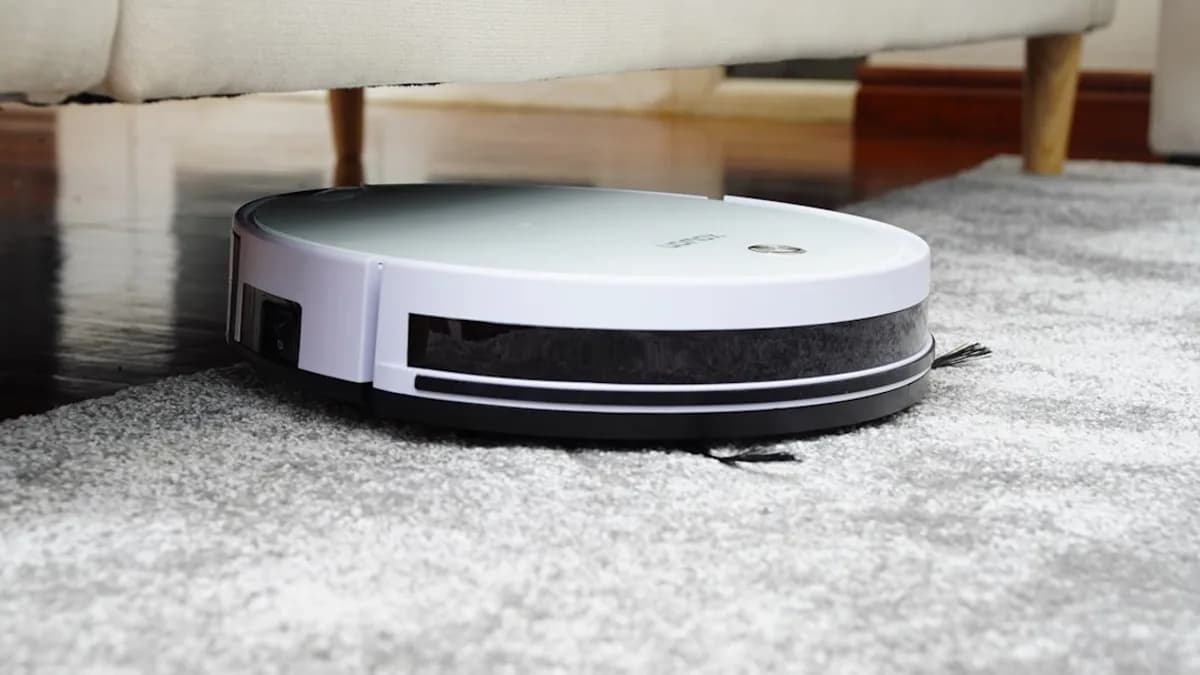
Lidar is now standard across this lineup, building on last year’s first lidar Roombas. This means sharper room mapping, better navigation around furniture, and fewer missed patches. The smaller footprints—up to a quarter less in volume—are not just for show. iRobot claims these slimmer bots can snake through tight spaces and under lower couches, where dust bunnies thrive.
Roller mops, once reserved for only a few high-end models, now appear in more of the new releases. This widens the appeal for homeowners who want a vacuum that can also handle wet cleaning without the hassle of swapping machines. While the Verge summary doesn’t list battery life or cleaning durations, it’s clear the focus is on practical, everyday improvements rather than just raw specs.
MLXIO analysis: These upgrades are not moonshots. Instead, they’re tactical, targeted responses to pain points that have dogged robot vacuums for years—missed spots, poor navigation, and limited cleaning modes. It’s a shift from selling novelty to selling utility.
Data-Driven Insights: Pricing, Size Reduction, and Performance Metrics
The numbers here are blunt: some of the new Roombas cost up to £200 (about $270) less than their immediate predecessors. That’s not a token discount—it’s a recalibration of what “premium” should cost in the robot vacuum segment.
Size reduction is equally aggressive. iRobot says “many” of its new units are up to 25 percent smaller. For context, that means these robots can snake through tighter chair legs and under lower furniture, attacking spaces where bulkier bots simply don’t fit. While The Verge doesn’t supply specific cubic inch or centimeter measurements, the claim is clear: iRobot is betting that smaller means more effective, not less powerful.
On performance, the only detail flagged in the source is “higher suction power.” No hard numbers, but the implication is that compactness hasn’t come at the expense of cleaning muscle. Battery life, always a hot topic for robot vacuums, isn’t addressed in the source—one open question for anyone considering an upgrade.
MLXIO interpretation: When a market leader cuts prices this much, it signals either a defensive move against looming competition, or a play to grow the total addressable market. The aggressive size and price reductions suggest iRobot is aiming for both.
Stakeholder Perspectives: What Consumers, Industry Experts, and Competitors Say
The Verge’s reporting focuses on product and pricing, not on user or analyst reactions. But the signals are loud. For consumers, a robot vacuum that’s smaller, cheaper, and smarter could finally tip the cost-benefit equation. Renters, small-space dwellers, and price-sensitive shoppers now have more options with fewer tradeoffs.
From an industry perspective, iRobot’s new ownership by Shenzhen Picea Robotics marks a strategic shift. Picea specializes in original design manufacturing for robotic appliances—a move that could streamline supply chains, accelerate R&D, and, as this launch shows, enable sharper price competition. The expanded roller mop options and “hot spot mopping” look like direct answers to consumer gripes about previous models’ limitations.
Competitor reactions aren’t covered in the source. But it’s hard to imagine rival brands ignoring this move. When the original Roomba set the standard for robot vacuums, it created a template others followed. This time, iRobot is rewriting that template—leaner, cheaper, and more focused on real-world usability.
MLXIO inference: If these new Roombas deliver on their promise, expect a ripple effect across the industry—especially among brands that have been slow to innovate or slow to cut prices.
Tracing the Evolution of iRobot’s Roomba: From Bankruptcy to Innovation
The new Roomba lineup emerges just a year after iRobot’s first lidar-equipped vacuums—and almost in tandem with its bankruptcy filing. The company’s financial struggles weren’t just about sales; they were about relevance. As rivals closed the gap in navigation, cleaning performance, and price, iRobot’s edge dulled.
Fast forward to today: under the stewardship of Shenzhen Picea Robotics, iRobot is moving aggressively to regain momentum. The new models aren’t just iterative tweaks. The combination of lidar room mapping, expanded mopping features, and sharp price cuts suggests a company trying to leapfrog past its recent stumbles.
Compared to last year’s lidar Roombas, this lineup is smaller, more capable, and more affordable. The emphasis on “hot spot mopping” and roller mops points to a strategy: win back users not with novelty, but with better solutions to everyday cleaning headaches.
MLXIO analysis: Picea’s ownership is the wild card. As a Chinese ODM with a track record in robotic appliances, Picea brings scale and cost efficiencies iRobot couldn’t access solo. That’s how you get a Roomba that’s both smarter and cheaper—if execution matches ambition.
What the New Roombas Mean for Homeowners and Smart Home Integration
For homeowners, these changes tilt the math. A robot vacuum that fits under a low-profile sofa, cleans sticky kitchen messes, and doesn’t require a premium price tag is simply more accessible. Smaller units mean more effective cleaning in modern, cluttered spaces. Lower prices unlock the Roomba for buyers who previously balked at the cost of entry.
Smart home integration isn’t detailed in The Verge’s summary, but the enhanced lidar mapping strongly suggests better navigation and, likely, more reliable room targeting for connected home routines. The new mopping features, including “hot spot” targeting, reduce the need for multiple cleaning gadgets—translating to less clutter and more convenience.
The environmental angle is less explicit in the source, but it’s reasonable to infer that more efficient cleaning (targeting messes, better navigation) means less wasted energy and water. The real win for homeowners: more cleaning power, less hassle, and a less obtrusive device.
Looking Ahead: Predictions for iRobot’s Market Position and Robot Vacuum Trends
iRobot’s reboot is a test case for the entire robot vacuum industry. If smaller, cheaper, more capable Roombas land with consumers, expect the market to recalibrate around value and usability, not just raw features or brand cachet. For iRobot, a successful launch could mean clawing back market share lost during its bankruptcy tailspin—and restoring its reputation as the benchmark for home robotics.
On the technology front, lidar and targeted mopping are now table stakes. The next battleground is likely to be even deeper integration with smart home systems, smarter mess detection, and potentially AI-driven cleaning routines. But for now, the biggest innovation is bringing high-end features to a lower price point.
What remains unclear is whether iRobot can sustain these price cuts without eroding margins—or if Picea’s manufacturing muscle is enough to offset the squeeze. Battery life, long-term durability, and post-launch support are also question marks, since The Verge’s reporting doesn’t address them.
What to watch: If these Roombas maintain cleaning quality and reliability while expanding the addressable market, iRobot could spark a new cycle of innovation and price competition. If corners are cut to hit those price points, expect a backlash and another round of strategic soul-searching.
Ultimately, the success of this new Roomba generation will be measured not just in units sold, but in how quickly competitors scramble to follow suit—or out-innovate a brand that once defined the category.
Why It Matters
- iRobot's new smaller and cheaper Roombas make robot vacuums more accessible to a wider range of consumers.
- This shift in pricing and design could pressure competitors to lower prices and innovate, potentially benefiting buyers across the market.
- Urban dwellers with limited space now have more practical and affordable cleaning options, aligning with current housing trends.