DJI Unveils Romo 2: Robot Vacuum and Mop Targets Tough Messes and Thresholds
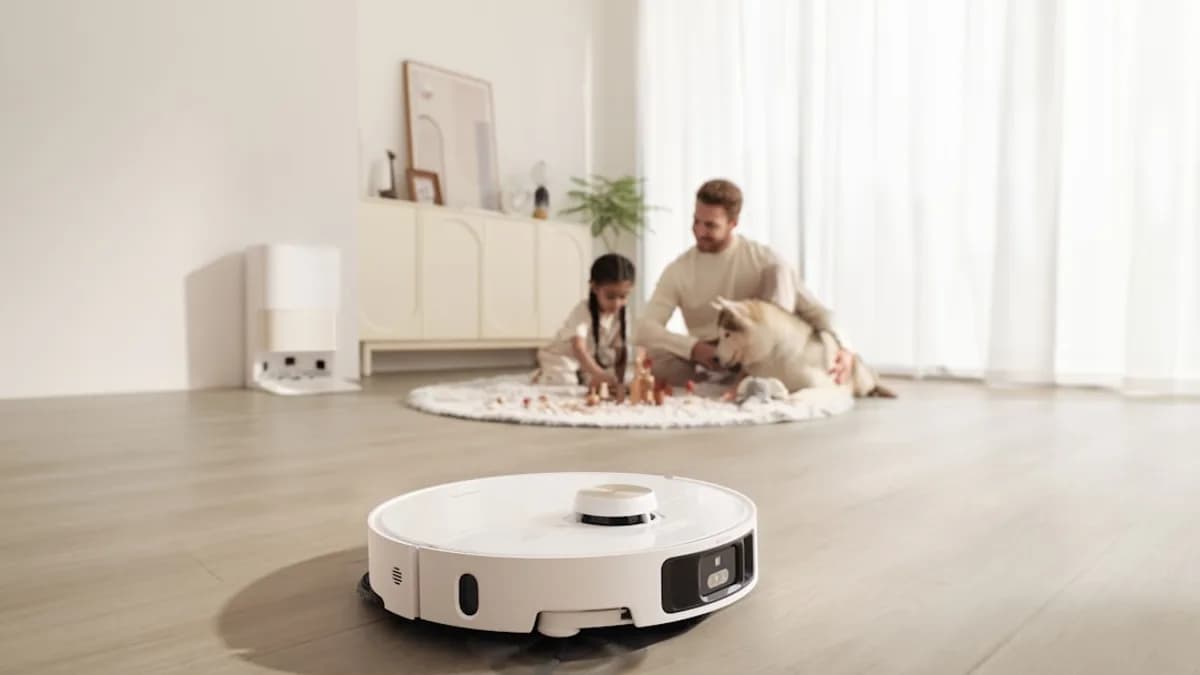
DJI is pushing into home robotics with the new Romo 2, a robot vacuum and mop that boasts unusually high suction power and the ability to climb thresholds, according to Notebookcheck. The company’s latest device is positioned as a direct challenger to established players, emphasizing smart features and robust cleaning performance.
The Romo 2’s standout promise: it can handle the kind of dirt and obstacles that typically stymie standard robot vacuums. While DJI claims “particularly high suction power,” the source does not specify a figure, despite the product’s headline touting “36,000 Pa.” The robot is also pitched as being able to recognize dirty spots on its own—suggesting some level of smart detection that could set it apart in a market crowded with incremental upgrades.
Specific launch dates, pricing, or regional availability remain unconfirmed by the source.
Dirt Detection and Smart Features: What’s Actually On Board?
DJI says the Romo 2 can detect dirt autonomously, implying it does more than just follow a preset path. If the implementation works as described, Romo 2 could focus its cleaning on high-traffic or problem areas—an efficiency boost over basic time-based operation. However, the source does not detail the underlying technology or how this detection works.
The dual vacuum-and-mop design points to versatility: users should expect it to tackle both dry debris and wet messes in one pass. That said, the source does not mention typical “smart” features like mapping, scheduling, or app controls. For now, any claim about the Romo 2’s software or user experience remains unsubstantiated.
Analysis: If DJI’s dirt detection is more than marketing, the Romo 2 could reduce wasted cleaning cycles and adapt to real-world messes. That’s where current robot vacuums often fall short.
Implications for the Robot Vacuum Market and What Comes Next
DJI’s entry into home cleaning hardware with the Romo 2 signals intent to challenge established norms—especially if its claims about threshold-climbing and dirt detection hold up in real-world use. Homes with complex layouts, thick rugs, or uneven floors could benefit most, assuming the device delivers.
The market impact is still theoretical. The source gives no data on price, battery life, maintenance, or software ecosystem—crucial for evaluating long-term value. There’s also no indication of planned software updates or whether DJI will expand its smart home push.
What to watch: Independent testing will be critical. If reviewers confirm the Romo 2’s threshold-crossing ability and smart detection, DJI will have a legitimate differentiator. Otherwise, the Romo 2 risks getting lost among a sea of lookalike bots with flashy specs but little real-world advantage.
What Remains Unclear and What to Watch
Key facts—such as actual suction power, battery specs, navigation tech, and price—are missing. The “36,000 Pa” figure in headlines is not verified in the source material. There’s also no evidence of companion app support, software features, or after-sales service.
The next critical step will be third-party hands-on reviews. Until then, buyers have more questions than answers. Will DJI open up about its hardware details and planned software support? Will the Romo 2’s threshold-climbing ability work on real household transitions, or is it another spec-sheet boast?
For now, Romo 2 is a signal of DJI’s ambition in the smart home market—but its actual impact depends on facts not yet public.
Key Takeaways
- DJI's entry into home robotics could disrupt a crowded robot vacuum market with new technology.
- The Romo 2's claimed high suction power and threshold climbing could solve common cleaning frustrations.
- If DJI's dirt detection works as promised, it could lead to more efficient and effective home cleaning.