On Saturday, May 23, Apple TV will stream LA Galaxy vs. Houston Dynamo FC in what Apple says is the first major professional live sporting event captured entirely on iPhone 17 Pro. The match, set for 7:30 p.m. PT, turns Apple’s flagship phone from a sideline camera into the production system for a full live sports broadcast, 9to5Mac reported.
The broadcast will stream from Dignity Health Sports Park in Carson, California, during the final weekend of MLS play before the regular season pauses for the FIFA World Cup 2026™ in North America. Apple says the production was developed in partnership with Major League Soccer.
“This Saturday, May 23, Apple TV will present a special live Major League Soccer match captured exclusively on iPhone 17 Pro — marking the first time iPhone will be used to capture the entirety of a major professional live sporting event broadcast.”
That phrasing matters. Apple is not just dropping iPhone footage into a conventional broadcast. It is saying the entire live event will be captured on iPhone.
Saturday’s MLS match moves iPhone 17 Pro from test camera to full broadcast rig
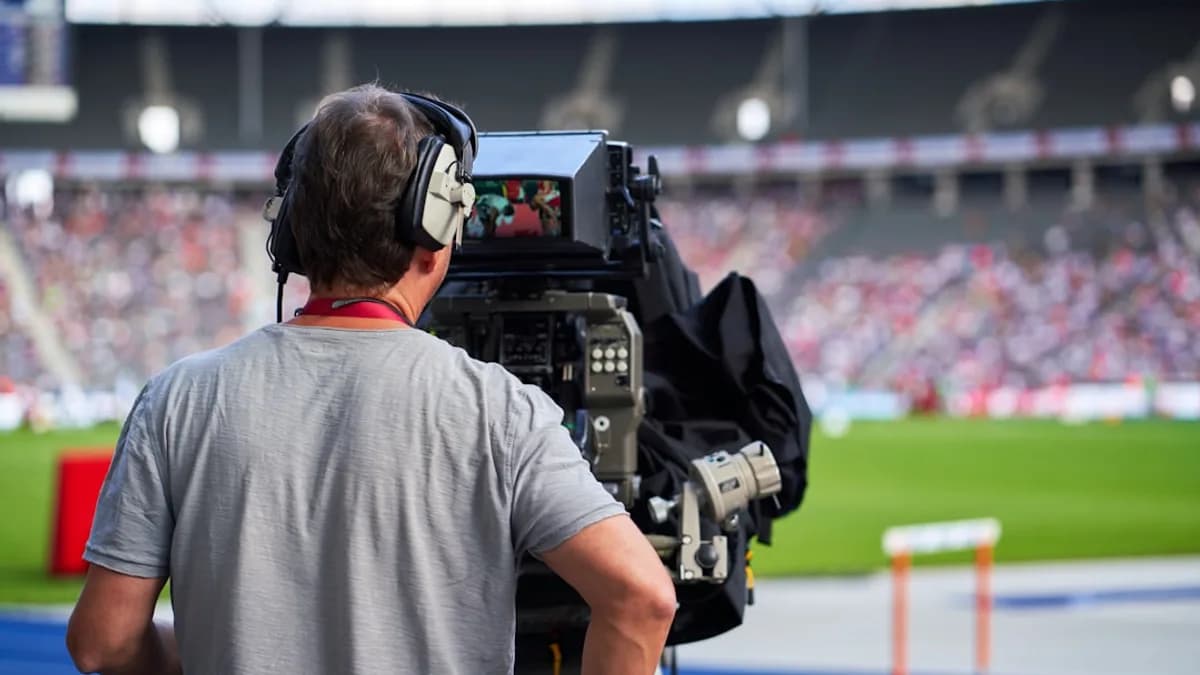
Apple says iPhone 17 Pro cameras will capture footage across the match, including team warmups, player introductions, in-net goal angles, and the stadium atmosphere. Cameras will be positioned throughout the venue to create angles that are harder to get with larger broadcast systems.
The production claim is also narrower and more consequential than Apple’s familiar “shot on iPhone” marketing. A live professional sports broadcast has no room for retakes, controlled pacing, or heavy post-production fixes. If a goal happens, the camera either catches it cleanly or it does not.
Apple TV’s sports slate gives the experiment a highly visible stage. The service already carries Major League Soccer, Formula 1, and Friday Night Baseball, according to 9to5Mac. For Apple, this is both a production milestone and a product showcase inside its own subscription service.
The company says Apple TV subscribers in more than 100 countries and regions can watch every MLS match with coverage, analysis, exclusive content, and no blackouts. New subscribers can get a one-week free trial, according to Apple’s announcement quoted in the source material.
Apple’s September 2025 baseball test set up the May 23 leap
Apple did not jump straight to a full iPhone-shot match. Its first live sports workflow using iPhone 17 Pro came during a September 2025 “Friday Night Baseball” game between the Boston Red Sox and the Detroit Tigers at Fenway Park.
That earlier production used iPhone 17 Pro for select moments and cinematic in-stadium footage. It was not the whole game. Apple says the production later received recognition from the National Baseball Hall of Fame and Museum, which added an iPhone used in the broadcast to its permanent collection.
| Apple live sports use | Event | Role for iPhone 17 Pro |
|---|---|---|
| September 2025 test | Boston Red Sox vs. Detroit Tigers | Select moments and cinematic in-stadium footage |
| 2025 expansion | MLS Cup | Broader use across sports broadcasts |
| 2026 regular use | Friday Night Baseball and MLS | Integrated into regular production rotation |
| May 23 milestone | LA Galaxy vs. Houston Dynamo FC | Entire major professional live event captured on iPhone |
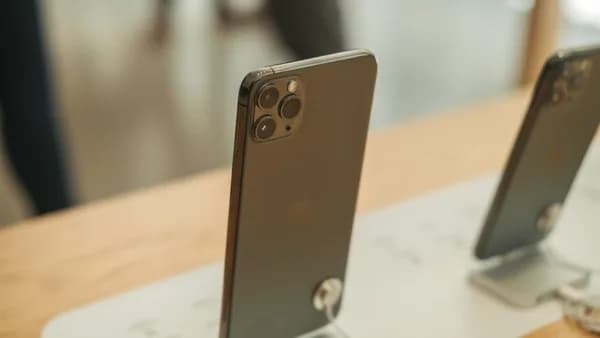
Apple says the iPhone 17 Pro has three 48MP Fusion cameras, the equivalent of eight lenses in a compact form factor, and pro video features including Apple Log 2, which is being used for this weekend’s broadcast.
Analysis: The progression is deliberate. Apple first tested iPhone footage inside a larger broadcast, then expanded the workflow into more sports coverage, and is now removing the safety net by making the phone the capture device for the full event.
A live soccer match is a harder demo than a controlled product film
A professional soccer broadcast stresses a camera system in ways a staged commercial does not. The action moves quickly across a wide field. Light can shift. Players cross in and out of frame. Camera cuts need to feel instant and coherent.
That makes the LA Galaxy-Houston Dynamo FC match a real test of Apple’s claim that iPhone can deliver “the pristine video quality fans expect” while adding “dynamic new perspectives.” The small form factor may allow in-net angles and closer field-level shots, but the main broadcast still has to meet viewer expectations for tracking, color, stabilization, and continuity.
The production challenge differs from traditional sports setups, which often depend on dedicated broadcast cameras, long lenses, stabilizers, switchers, and specialized crews. Apple has not disclosed the full rigging around the iPhones, including whether external lenses, mounts, power systems, or other production gear will be used.
That detail matters because “captured on iPhone” can still involve professional support equipment. Viewers may see the result, but production professionals will want to know what part of the pipeline is actually being handled by the phone.
Apple TV’s sports push now has a hardware showcase attached
Apple’s sports strategy is no longer only about rights and distribution. This match makes Apple hardware part of the programming pitch.
For MLS, the appeal is clear from Apple’s own description: smaller cameras can go in places where larger systems are harder to place. That could mean more intimate angles around the pitch, behind the goal, and inside the stadium environment. Apple has not disclosed whether the approach changes production costs.
This is also a different kind of iPhone story than future product speculation. MLXIO has separately covered Apple’s longer hardware arc in iPhone 19 Pro’s Radical Redesign Sparks Industry Shakeup and its software ambitions in Apple Sparks Hype with 3 Bold Goals for iOS 27, but the May 23 broadcast is a present-tense test: can the current flagship phone carry a premium live sports event?
The open questions are practical, not theoretical.
- Picture quality: Whether the feed holds up across wide shots, close-ups, and fast movement.
- Zoom range: Whether the broadcast can capture field action with the framing viewers expect.
- Color matching: Whether multiple iPhones deliver a consistent look across camera positions.
- Reliability: Whether heat, power, latency, and switching behave under live pressure.
- Audio and sync: Whether the phone-based capture slots cleanly into the broader live production.
The May 23 broadcast becomes Apple’s next decision point
The immediate test is simple: viewers will judge the match like any other sports broadcast. If the camera work distracts from the game, the novelty fades fast. If it looks polished, Apple gets a rare proof point that links iPhone video, Apple TV sports, and MLS production into one public demo.
Apple has already said iPhone was expanded into additional sports broadcasts after the September 2025 baseball test, including the MLS Cup in 2025, and then further integrated into regular Friday Night Baseball and MLS production during the 2026 season.
The next watch item is whether Apple follows Saturday’s match with a technical breakdown. Production details, viewer response, and any further use of iPhone-only workflows will show whether this was a one-off showcase or the start of a more regular Apple TV sports format.
Why It Matters
- Apple is using a live MLS match to prove iPhone 17 Pro can handle high-pressure professional broadcast demands.
- The production could expand where cameras can be placed during live sports, including tighter and harder-to-reach angles.
- The event turns Apple’s “shot on iPhone” message into a real-time test of its hardware and Apple TV sports strategy.