Apple Prepares to Let Users Redesign the iPhone Camera App
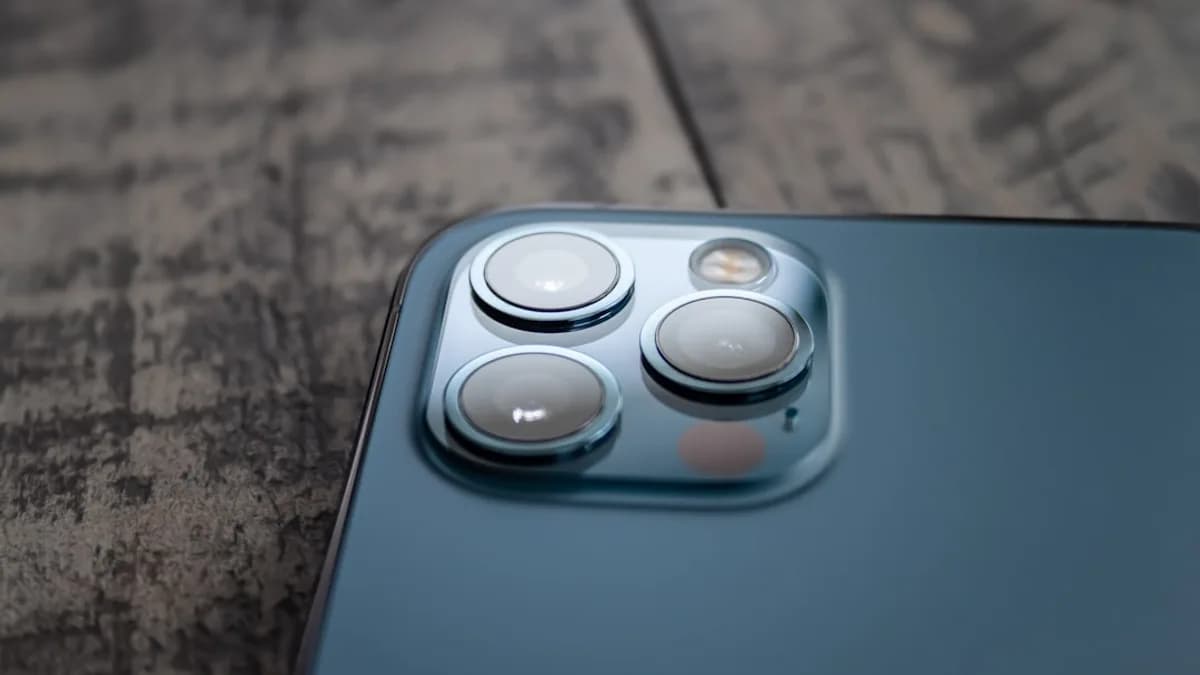
Apple is set to overhaul its Camera app in iOS 27, making it "fully customizable" for the first time, according to a report surfaced by 9to5Mac. For a company that has historically dictated every detail of its user interfaces, this is a rare move. The change signals Apple’s willingness to let users take the wheel, at least in one of its core apps.
Apple’s Camera app has long been a study in minimalism—streamlined, locked down, and consistent across every iPhone. By opening the door to customization, Apple is rewriting its own rulebook. The company hasn’t revealed details about what "fully customizable" will actually mean, but even the promise unlocks new possibilities for both end users and developers.
What Customization Could Mean for iOS 27
The report stops short of listing concrete features, but the phrase “fully customizable” is loaded. For iPhone owners, it suggests control over more than just filters or aspect ratios. Users could potentially rearrange controls, hide unused modes, or set up the interface for left- or right-handed shooting. For developers, the move hints at possible hooks for extensions or third-party integrations, but nothing is confirmed.
Why open up now? MLXIO analysis: Apple’s streamlined Camera app has been a selling point, but as mobile photography matures, advanced users want more flexibility. Android rivals have offered customization for years. Apple’s shift may be defensive, or it could be a sign of confidence that casual users will stick with defaults while power users dig deeper.
What We Know and What’s Still Unclear
All that’s confirmed in the 9to5Mac report is the “fully customizable” Camera app is coming in iOS 27. No screenshots, feature lists, or developer documentation have surfaced. We don’t know if this means simple skinning, deep workflow changes, or support for third-party plugins.
MLXIO analysis: The ambiguity is intentional. Apple tends to reveal UI changes at its own pace. But the language “fully customizable” is a departure from the company’s usual careful phrasing—suggesting this may be more than a tweak.
Stakeholder Reactions: Opportunities and Risks
iPhone users stand to gain the most. Photographers frustrated by Apple’s locked-down interface could finally build a shooting experience that matches their workflow. For pros, this could mean more efficient access to manual controls or custom presets. For mainstream users, there’s a risk: too much flexibility can lead to confusion or a cluttered interface.
App developers will watch closely. If Apple opens up enough hooks, third-party camera apps may rush to build on top of the native experience—or risk being sidelined if users can replicate their features natively. But if customization remains shallow, the status quo holds.
Apple’s Camera App Shift in Historical Context
Apple’s Camera app has evolved, but never quickly. Past updates have focused on new modes (Portrait, Night, ProRAW) and gradual improvements, not user-driven customization. Compared to Android, where custom camera UI controls are standard fare on some devices, Apple has been conservative.
MLXIO analysis: This shift to “full customization” is Apple’s first major experiment with user-driven UI in a stock app. It could set a precedent for other core apps if successful.
Why This Matters for iPhone Owners and the Mobile Photo Industry
If Apple delivers on the promise, iPhone users could see their devices transformed from point-and-shoots to customizable creative tools. That’s not just a win for enthusiasts—mainstream consumers who want simplicity could benefit if Apple delivers smart presets and optional customization, rather than overwhelming everyone with options.
For the mobile photography industry, the move could tilt the balance between native and third-party camera apps. If Apple gets customization right, some users may stop looking elsewhere. If not, the door stays open for rivals that do.
What to Watch: Evidence That Will Confirm or Contradict the Hype
The key evidence will come at launch—or in Apple’s developer documentation ahead of iOS 27’s public release. Watch for:
- How deep does customization go? Are users just moving buttons, or scripting workflows?
- Will third-party developers get API access, or is this a closed garden?
- Does Apple introduce similar customization in other stock apps?
If “fully customizable” means what it says, expect a wave of new user interfaces, workflows, and maybe even a shakeout among third-party camera apps. If it’s a marketing flourish, little changes. Either way, Apple is signaling a willingness to rethink how it designs—and who controls—its most important software.
Why It Matters
- Apple’s move to a customizable Camera app marks a major shift from its traditionally locked-down approach.
- This change could empower advanced users and developers, enabling more personalized and powerful photography experiences.
- Apple is responding to pressure from Android rivals who have offered camera customization features for years.