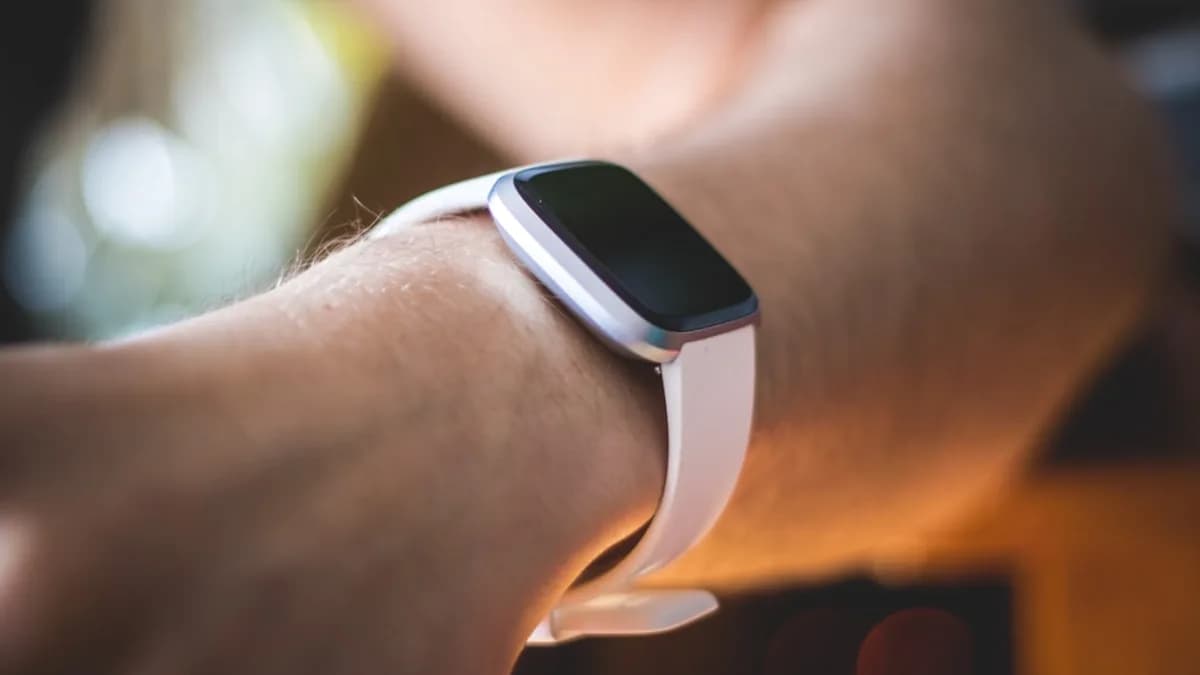
Google Launches Fitbit Air: A Screenless Fitness Tracker Challenging Whoop
Google just crashed the screenless fitness tracker party with the Fitbit Air—a direct shot at Whoop’s dominance in the invisible wearables market. The Fitbit Air ditches the display, tracks your heart rate around the clock, and operates subscription-free if you want it that way. That’s a sharp contrast to Whoop, which locks its hardware behind a subscription paywall. The new device is Google’s first major Fitbit hardware play since the brand’s $2.1 billion acquisition.
The Fitbit Air launches first in the US, UK, and select markets, with a price point and global rollout details still under wraps. Google is betting that a no-fuss tracker—one you can wear and forget—will tempt users who are tired of notifications and battery anxiety. The device focuses on essential metrics: heart rate, steps, activity zones, and sleep, all synced automatically to the Fitbit app.
Fitbit Air’s debut signals Google’s long-term ambition to dominate health wearables, not just compete in the smartwatch arms race. By skipping the screen, Google is aiming for a different crowd: athletes, minimalists, and anyone who hates charging gadgets every night. Gsmarena reports that battery life, water resistance, and comfort are central selling points, but the real kicker is how Google’s pricing and platform strategy upend the Whoop model.
How Fitbit Air Stands Out: Subscription Flexibility and Integration with Google Health
Unlike Whoop, which requires users to pay at least $30 a month just to activate the device, Fitbit Air works right out of the box—no recurring fee necessary. That’s a crucial differentiator in a market where subscription fatigue is real and even Apple’s Fitness+ hasn’t convinced every Watch owner to pay up. Google’s optional Google Health Premium subscription costs $9.99 per month or $99 per year, undercutting Whoop’s minimum by two-thirds.
What do you get for paying? Health Premium (formerly Fitbit Premium) unlocks deeper analytics: readiness scores, stress management, detailed sleep breakdowns, and longer-term health trends. There’s also guided workouts and nutrition plans, but the core tracking features—heart rate, steps, sleep, and basic activity stats—are available without a subscription.
Google is also bundling Health Premium with its top AI tiers—Google AI Pro and AI Ultra—positioning the Air as just one piece of a health-data bundle. That’s a move that could draw in users already paying for Google’s productivity or AI features, sweetening the deal without extra friction. The integration potential is serious: imagine Fitbit Air data powering personalized Google Assistant suggestions, or feeding into the company’s rumored AI-driven health coaching tools.
This flexibility is rare in wearables, where the industry norm is to lock advanced features behind paywalls. Google’s play isn’t just about hardware; it’s about making its subscription ecosystem stickier while letting price-sensitive buyers in the door.
What Fitbit Air Means for the Future of Screenless Fitness Tracking
Fitbit Air’s arrival could spark realignment across the fitness tracker market. Whoop’s $3.6 billion valuation rests on the idea that users will pay indefinitely for health insights, but Google’s approach—hardware first, subscription optional—could force rivals to rethink their revenue models. Expect pressure on Whoop to drop its mandatory subscription or risk losing mainstream buyers unwilling to commit to another monthly bill.
Google’s brand muscle and distribution reach give Fitbit Air a launchpad Whoop and Oura can only envy. Fitbit’s install base stood near 30 million active users before the Google buyout, and many are already inside the Fitbit app. If Google offers frictionless upgrades or bundles Air with Pixel phones or Nest devices, adoption could spike.
There’s also a strategic reason for screenless trackers now: rising privacy concerns and user burnout with always-on displays. Apple and Samsung have chased “smart” everything, but Google’s bet is that less is more—especially for sleep and fitness purists. If the Air succeeds, expect a wave of copycats and a shift toward minimalism in wearables.
What’s next? Google will likely roll out new Health Premium features, and integration with generative AI could surface personalized health nudges or predictive analytics. If real-world results match the promise, Fitbit Air could accelerate the industry’s pivot away from “feature creep” and toward devices that disappear into daily life—until you need their data. For competitors, the message is blunt: adapt your subscription strategy, or risk obsolescence.
The Bottom Line
- Fitbit Air challenges Whoop with a no-subscription option, appealing to users tired of monthly fees.
- Google’s entry signals a shift toward minimalist, screenless health wearables for broader audiences.
- Subscription flexibility and integration with Google Health could reshape the fitness tracker market.