Huawei Launches Exclusive Watch Ultimate Design Spring Edition in Europe
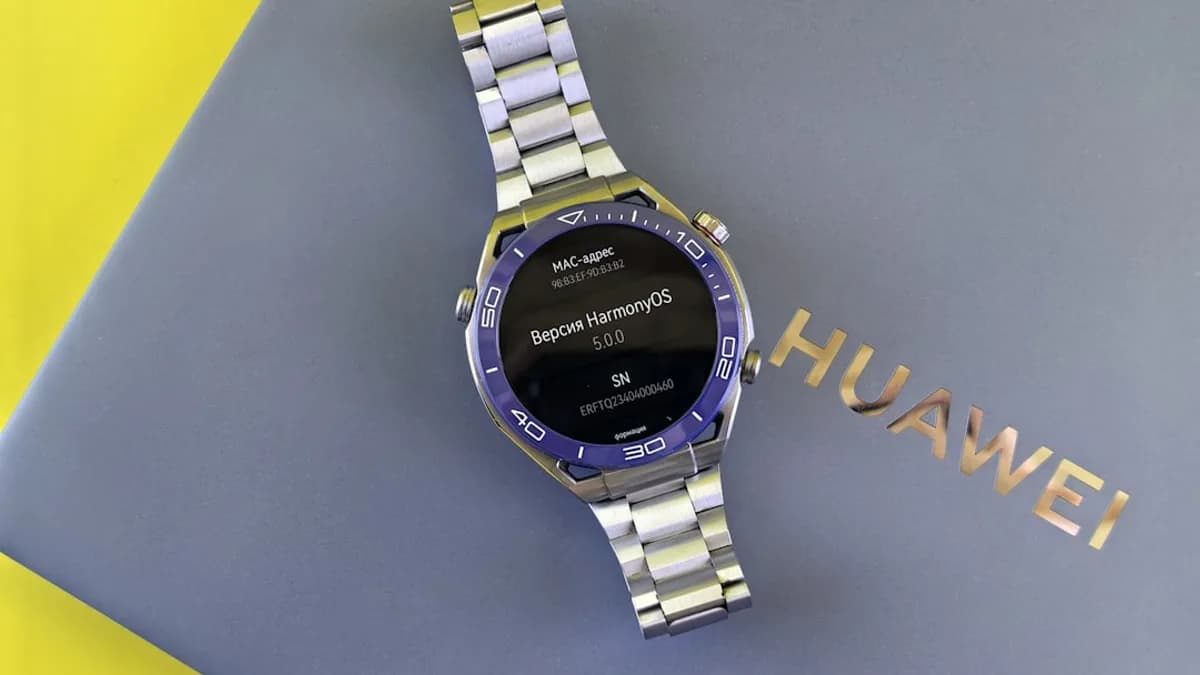
Huawei just dropped its first jeweled smartwatch in Europe, betting that luxury hardware can pry open wallets in the world’s priciest wearables market. The Watch Ultimate Design Spring Edition, now available across the continent, marks Huawei’s debut in high-end, gemstone-adorned smartwatches—a segment Apple and Samsung have nudged but rarely committed to. The device flaunts a titanium case and matching metal strap, making a clear pitch to buyers who want more than just fitness stats on their wrist.
The release arrives as Huawei scrambles to rebuild its European reputation after years of regulatory pushback and supply chain hurdles. This launch signals a shift: rather than chase mass appeal, Huawei is targeting affluent buyers and collectors, mirroring luxury watch strategies that have long dominated Switzerland but rarely crossed into smartwatches. Early listings peg the Spring Edition’s price comfortably above €700, a direct shot at the premium tiers long dominated by Apple Watch Hermès and TAG Heuer Connected according to Notebookcheck.
European retailers report brisk initial pre-orders, especially in fashion-forward markets like France and Italy, hinting at pent-up demand for Android-compatible luxury options. For Huawei, success here could mean more than just sales—it’s a public test of whether the brand can still command cachet in a region where trust has been hard-earned.
Advanced Health and Connectivity Features Elevate Huawei’s Latest Smartwatch
This isn’t a case of style over substance. The Watch Ultimate Design Spring Edition packs the sort of health-tracking tech that’s now table stakes at the top end, but with a few tricks aimed at outpacing rivals. Its heart health suite doesn’t just monitor basic rates—it also flags irregular rhythms and offers on-device ECG analysis, a feature only a handful of competitors (notably Apple and Samsung) have secured European medical clearances for.
Huawei folds in eSIM support, untethering users from their phones for calls, texts, and data—an essential feature for anyone who wants full functionality on the go. This is especially relevant in mature European markets, where standalone connectivity is a must-have, not a novelty. The Emergency SOS feature, meanwhile, can auto-dial contacts and transmit your location if the watch detects a fall or if you trigger it manually. That’s not just a tech flex; it’s a practical safeguard for the brand’s target audience of travelers and active professionals.
Where does this set Huawei in the premium market? Strongly. Apple’s top-tier models focus on integration with iOS and brand cachet, while Samsung leans on Galaxy ecosystem lock-in. Huawei, cut off from Google Mobile Services, has built its own HarmonyOS platform and doubled down on hardware innovation. Features like week-long battery life—still a weak spot for most competitors—and proprietary health algorithms give Huawei an edge for users who prize longevity and independence from a single OS.
Still, regulatory headwinds remain. Some advanced health features require country-by-country approval, and not all are enabled out of the box in every European market. But the inclusion signals intent: Huawei is not just chasing fashion, it’s staking a claim as a tech leader in a segment where trust and accuracy can mean the difference between a niche hit and a market flop.
What to Expect Next for Huawei’s Smartwatch Lineup and European Market Expansion
This launch is a stress test for Huawei’s luxury ambitions in Europe. If the Watch Ultimate Design Spring Edition finds traction, expect a parade of special editions—more precious metals, gemstone accents, and perhaps partnerships with European fashion houses. Apple’s success with co-branded editions and Hermès straps is instructive: exclusivity sells, especially when the tech is on par with the best.
The premium smartwatch segment is growing, albeit slowly. Research firm Counterpoint pegged the high-end wristwear market at roughly 15% of global smartwatch sales in 2023, but with margins double those of midrange devices. Huawei’s move signals a pivot away from volume and toward value, hoping to capture affluent buyers increasingly bored with annual spec bumps.
For consumers, this model means more choice but also higher stakes. Don’t expect frequent discounts or mass-market availability—these editions are designed to be seen, not to flood the market. If you want Android compatibility, top-tier health features, and a watch that stands out at a board meeting, the Spring Edition is one of the few options that doesn’t require buying into Apple’s walled garden.
Looking ahead, watch for Huawei’s next moves: deeper integration with HarmonyOS, faster regulatory approvals for health features, and possibly a play for Western luxury collaborations. The signal is clear: Huawei wants back into Europe’s good graces, and it’s betting that style, substance, and scarcity might just do the trick.
The Bottom Line
- Huawei is entering the luxury smartwatch space in Europe, challenging established premium brands.
- The launch tests whether European buyers will embrace Huawei amid lingering regulatory concerns.
- Strong early demand could signal a shift toward more Android-compatible luxury wearable options.