Hisense Bets Big on Laser Projectors With Four New Vidda C5 Models
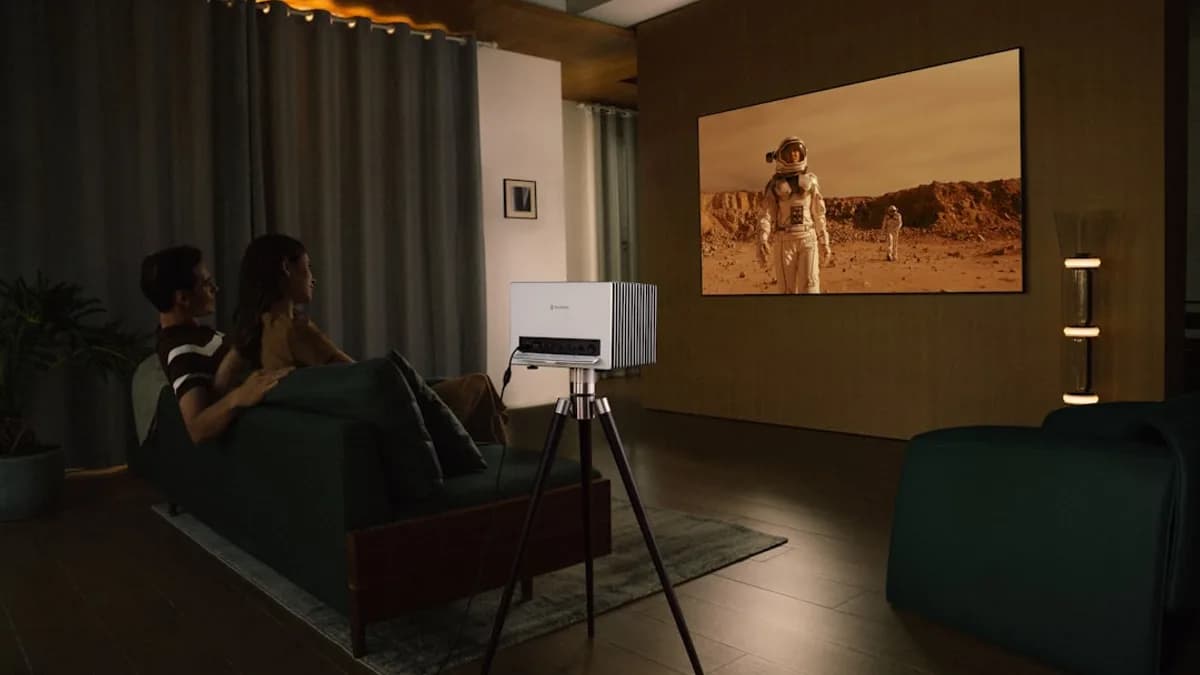
Launching four distinct laser projector models at once is a statement. Hisense isn’t just nudging into the market—it’s staking out ground with the Vidda C5 series, dropping the Master, UltraMax, Ultra, and ProMax models simultaneously in China. The top-tier C5 Master touts liquid cooling and a native 8,000:1 contrast ratio—features that, on paper, put it toe-to-toe with high-end home theater hardware. This coordinated push signals Hisense’s intent to shape the narrative in premium home entertainment, not just follow it, according to Notebookcheck.
The move raises the stakes for rivals in China’s crowded home cinema segment—and sets up Hisense as a potential export force if these models scale globally. In a market where differentiation often comes down to specs and price, launching a range with clear technical distinctions shows Hisense aiming to capture both enthusiasts and mass-market upgraders. The Vidda C5 line reflects a larger industry shift: the living room is now the battleground for display innovation, and projectors are no longer niche.
The Vidda C5 Lineup: Where Hardware Ambition Meets Technical Detail
The four-model Vidda C5 rollout is aggressive. The C5 Master leads, sporting liquid cooling—a feature usually reserved for high-performance projectors meant for extended use—and a native 8,000:1 contrast ratio. Native contrast at that level means deeper blacks and more vivid color separation, crucial for anyone chasing a true cinema experience at home.
Details for the C5 UltraMax, C5 Ultra, and C5 ProMax remain sparse, but their placement beneath the Master suggests a tiered approach: buyers can choose based on budget or feature set, not just on price. The presence of liquid cooling in the top model hints at ambitions for longer operational lifespans and quieter performance, typical pain points in traditional lamp-based projectors.
Compared to what’s on the market, an 8,000:1 native contrast ratio stands out. Many consumer projectors advertise higher “dynamic” contrast numbers, which are often artificially inflated via digital processing. Native contrast, by contrast, speaks to true hardware capability—a metric home cinema enthusiasts actually care about.
What We Know: Features, Gaps, and the State of the Launch
We know Hisense has launched four new Vidda C5 series laser projectors in China. The C5 Master leads the pack with liquid cooling and a native 8,000:1 contrast ratio. The other three models—C5 UltraMax, C5 Ultra, and C5 ProMax—round out the lineup, but their detailed specs are still under wraps.
What’s missing: there’s no data on pricing, brightness, resolution, audio integration, smart features, or specific hardware differences between the models. Without this, it’s impossible to map out the precise value proposition or target audience for each unit.
Why It Matters: Hisense’s Play for Home Theater Relevance
Launching a range, not a single flagship, is a clear sign Hisense is betting on laser projection as a mainstream upgrade for Chinese consumers. Features like native high contrast and liquid cooling suggest an effort to leapfrog rivals on performance, not just compete on price. If Hisense can deliver on these specs with competitive pricing, it could nudge more households to skip traditional TVs for projectors as their living room centerpiece.
For the industry, the implication is clear: the bar is moving. If the C5 series succeeds, competitors will have to respond with better hardware or risk being boxed out of the premium segment.
What Is Still Unclear: Missing Data and Open Questions
The announcement leaves major gaps. No pricing, no retail partners, no launch timeline beyond “China.” The spec sheets for the lower-tier models are blank, so their positioning remains guesswork. There’s also no indication of how Hisense plans to support these projectors post-sale—crucial for an investment at this level.
Consumer and expert reactions are also absent—there’s no early hands-on feedback, and no insight into how these projectors perform outside of marketing claims. Until real-world tests surface, the 8,000:1 contrast ratio and liquid cooling remain promises on paper.
What to Watch: Key Signals and How the Market Will Respond
The next phase hinges on three data points: pricing, independent reviews, and broader availability. If Hisense can undercut rivals on price while matching or beating them on image quality, the Vidda C5 series could redraw the segment’s battle lines. Watch for initial sales figures in China and any signs of international launch plans.
If competitors respond with similar features—especially liquid cooling or true native high contrast—the race for projector supremacy will accelerate. Conversely, if the C5 models stumble on reliability or post-sale support, Hisense could burn early adopters and stall momentum.
MLXIO analysis: The Vidda C5 launch is a calculated risk. Hisense is betting that technical prowess and a tiered lineup will catch a market on the cusp of treating projectors as first-choice displays, not just niche gadgets. But with so much still unknown—especially around user experience and price—the real disruption is still a question mark.
The Stakes
- Hisense's aggressive launch signals a shift toward projector innovation in mainstream home entertainment.
- The tiered Vidda C5 lineup targets both premium enthusiasts and mass-market consumers, intensifying competition.
- This strategy could position Hisense as a global force if the new models succeed beyond China.