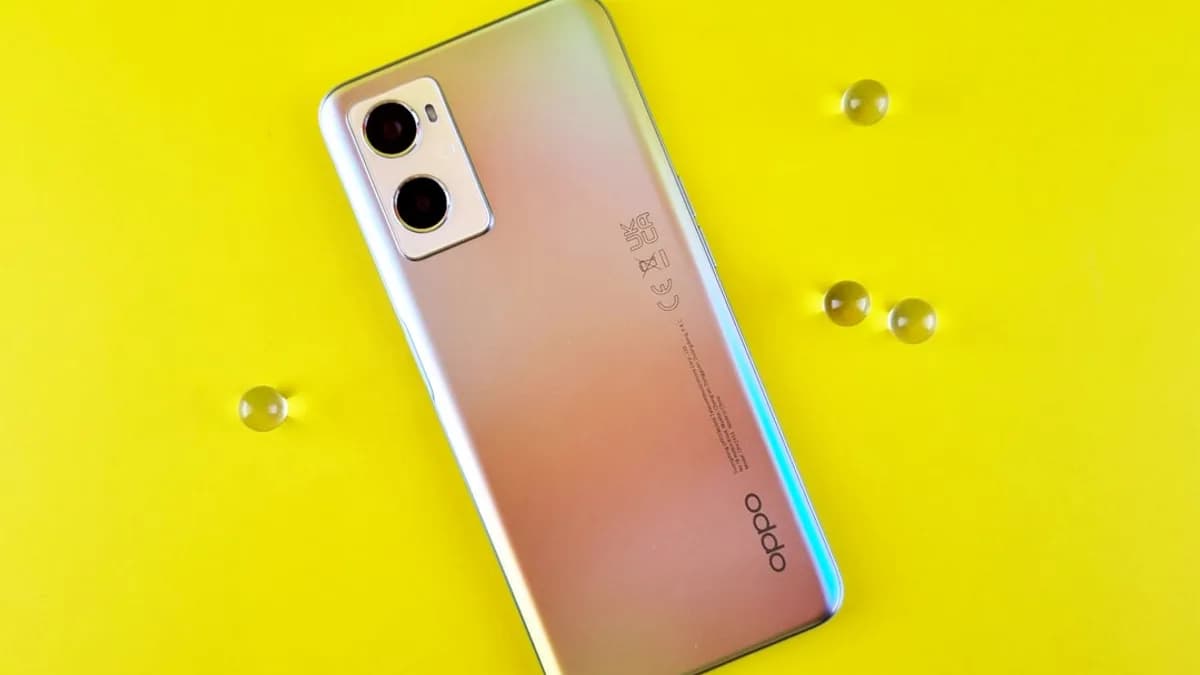
Why Oppo Find X10 Pro Max’s Camera Specs Could Redefine Smartphone Photography
A smartphone with three 200MP cameras sounds like overkill—until you realize what’s at stake. For years, the camera has been the main battleground for flagship phones, driving purchasing decisions even more than raw processing power or display specs. Lately, the megapixel race has accelerated, but few brands have attempted what Oppo is rumored to be building into its Find X10 Pro Max: a triple 200MP camera array, paired with a 3MP multispectral sensor.
This leak, sourced from tipster Digital Chat Station and reported by Gsmarena, drops Oppo directly into the ongoing arms race among smartphone giants over camera hardware. While others have dabbled in 200MP sensors, the prospect of three in a single device is unprecedented. The rumored 1/1.3-inch primary sensor also signals that Oppo isn’t just stacking pixels for marketing—the company is aiming for serious hardware advantages.
Oppo’s move is bold. In a market where flagship upgrades can feel incremental, these specs—if they materialize—set the Find X10 Pro Max apart not just as a spec sheet monster but as a potential disruptor in mobile photography. Anyone who cares about phone cameras, whether for casual snapshots or serious content creation, should be watching how these rumors play out.
What Makes the Oppo Find X10 Pro Max’s Camera Setup Unique Compared to Competitors
Stacking three 200MP sensors isn’t just about headline numbers. According to the Gsmarena leak, the Find X10 Pro Max’s triple camera configuration is paired with a 1/1.3-inch primary sensor—a size that, if confirmed, puts it on par with or ahead of most current flagships in terms of physical light-gathering capability.
The inclusion of a 3MP multispectral sensor is more niche, but potentially more consequential. While high-megapixel sensors grab attention, multispectral sensors capture information outside the visible spectrum—data that can be used for better color accuracy, more realistic skin tones, and even advanced computational photography tricks like separating foregrounds from backgrounds with surgical precision.
Compared to the latest flagships from rivals, the Find X10 Pro Max’s rumored camera system is a leap. Some competitors have adopted single 200MP sensors, but none have deployed a trio at this resolution, let alone with the addition of a multispectral sensor. The 1/1.3-inch sensor size is significant: larger sensors mean more light per pixel, less noise, and improved dynamic range, especially in challenging lighting. If Oppo actually delivers this hardware, it’s not just chasing numbers—it’s gunning for image quality that could finally rival (or surpass) dedicated cameras in some scenarios.
How the Oppo Find X10 Pro Max’s Camera Technology Could Enhance Everyday Photography
A triple 200MP camera system isn’t just for pixel peeping. For users, the immediate benefit is detail—images captured with a 200MP sensor, even after downsampling for social media or cloud backups, retain more texture and subtlety than those from lower-res modules. This means zooming into photos or cropping doesn’t immediately turn images into a blurry mess.
But raw megapixels aren’t everything. The rumored 3MP multispectral sensor could be Oppo’s secret weapon for color science. By capturing additional wavelengths, the phone could process colors with greater accuracy, reduce artifacts in tricky scenes, and deliver more lifelike photos. For enthusiasts and creators, that means fewer filters and less post-processing to “fix” smartphone images.
Low-light performance is another likely winner. The 1/1.3-inch sensor can gather more photons, allowing for brighter, cleaner shots at night or indoors. And with three 200MP modules, Oppo could dedicate each to a different focal length (standard, ultra-wide, telephoto), ensuring high resolution across all zoom ranges—a rarity even among premium phones.
Video, too, stands to benefit. High-res sensors allow for lossless zoom and more flexibility in cropping footage during editing. If Oppo’s software pipeline can keep up, the Find X10 Pro Max could become a pocket camera for content creators who demand detail and versatility.
What Challenges Oppo Might Face in Implementing the Find X10 Pro Max’s Advanced Camera System
Cranking out three 200MP images at once is not trivial. Large sensors and sky-high resolutions generate heat and demand serious processing power. Oppo will face the challenge of keeping the device cool during extended use, especially when shooting video or in high-performance photography modes.
Battery life is another pressure point. Processing and storing massive image files takes energy, and the device’s battery may be strained by these demands—potentially forcing Oppo to make trade-offs on device thickness or battery capacity.
Software is the invisible variable. Capturing an image at 200MP is one thing; processing it quickly, stacking exposures for low light, and managing the data without lag is another. Oppo’s camera app and image pipeline will need to be robust, or all those extra pixels will go to waste. Past phones with ultra-high-res sensors have sometimes stumbled on processing speed or image noise—pitfalls Oppo will have to avoid.
Finally, there’s the risk of consumer fatigue. Specs like “triple 200MP” sound impressive, but users will expect real-world payoffs: faster shots, better night photos, and superior detail—not just bigger files. If the Find X10 Pro Max can’t deliver noticeable improvements, the marketing edge could quickly dull.
How Oppo’s Camera Innovations in the Find X10 Pro Max Reflect Broader Trends in Smartphone Imaging
Oppo’s rumored approach—maxing out both megapixel count and sensor size—mirrors a broader industry shift toward multi-sensor arrays and computational photography. But where others have settled for a single high-res sensor, Oppo is apparently betting on redundancy and specialization: three modules, each potentially tuned for different tasks, backed by a multispectral sensor for advanced color capture.
AI processing and software magic have become just as important as the hardware. While the leak doesn’t detail Oppo’s computational photography plans, the inclusion of a multispectral sensor suggests the company is thinking beyond raw specs. This kind of sensor is rarely seen in mainstream phones and hints at ambitions to push color science and image segmentation further than rivals.
Looking back at Oppo’s Find X series, the company has often prioritized camera innovation—previous models introduced periscope zooms and unique stabilization systems. If the Find X10 Pro Max launches with this camera system, it would mark the most aggressive hardware leap in the series to date. That history gives the rumors more weight; Oppo has a track record of chasing ambitious camera tech, sometimes ahead of market demand.
What’s Still Unclear and What to Watch Next
The rumor mill leaves plenty of questions open. We don’t know the precise focal lengths or how Oppo plans to distribute those triple 200MP sensors—will they cover wide, ultra-wide, and telephoto? The leak also doesn’t clarify the specifics of the multispectral sensor’s role in the imaging pipeline. And crucially, there’s no confirmation yet on how Oppo will handle the software side: how fast images process, how well night mode works, or how the camera app will present all this complexity to the user.
What to watch: Will Oppo confirm these specs ahead of the expected October launch? Can the company deliver not just on hardware but on the real-world photo and video experience? If the Find X10 Pro Max manages to translate its numbers into actual imaging advantages, it could force competitors to rethink their camera strategies—or, if the execution falters, reaffirm that more megapixels aren’t always better.
One thing is clear: October’s launch is now circled on every mobile photographer’s calendar. Oppo has set up expectations sky-high; whether those specs become the next benchmark or just another spec sheet curiosity will depend on what’s delivered, not just what’s promised.
Why It Matters
- Oppo's rumored triple 200MP camera setup could set a new benchmark for smartphone photography.
- The hardware leap may force competitors to rethink their camera strategies and accelerate innovation.
- Consumers who prioritize camera quality stand to benefit from more advanced imaging capabilities.