Introduction to GoPro's Mission 1 Camera Line
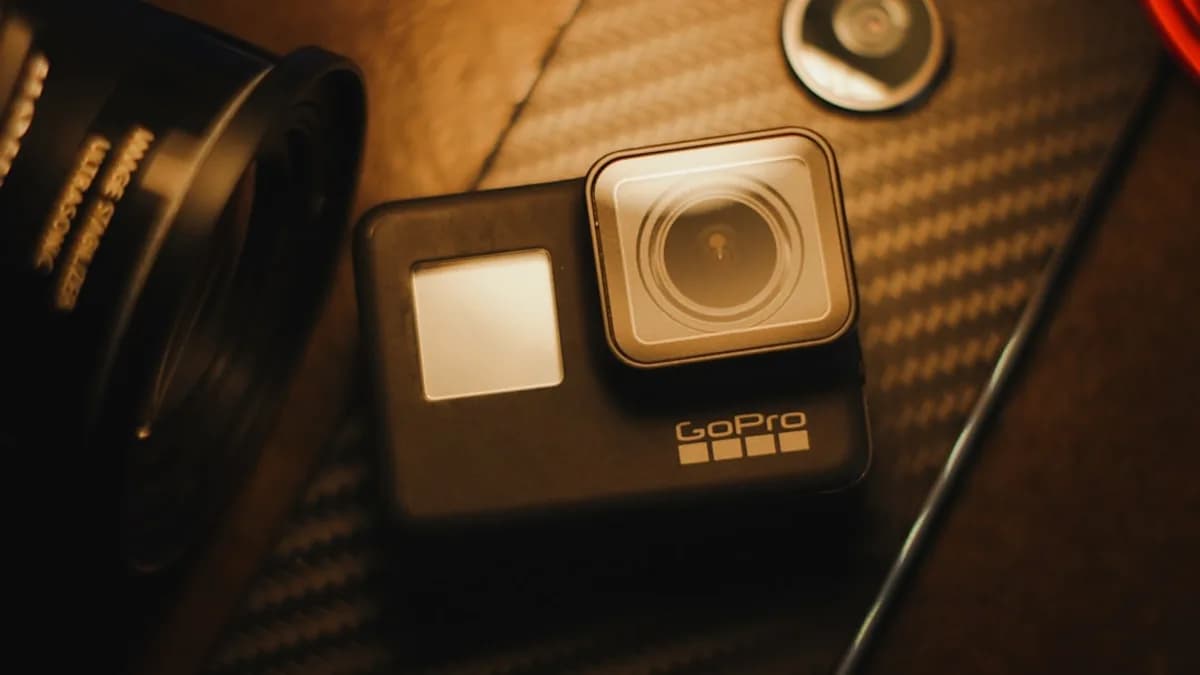
GoPro, a brand synonymous with action cameras, is taking a bold leap forward with the announcement of its new Mission 1 series. This fresh lineup introduces three distinct models aimed at pushing boundaries in both consumer and professional video capture: the base Mission 1, the Mission 1 Pro, and the top-tier Mission 1 Pro ILS. Each camera is built around an impressive 50-megapixel, 1-inch-type sensor and powered by GoPro’s latest GP3 in-house processor, promising significant upgrades in image quality and performance [Source: Source].
The rollout is planned in two waves: the Mission 1 and Mission 1 Pro will be available starting May 28th, while the Mission 1 Pro ILS is expected to land in the third quarter of 2026. Pricing details are yet to be confirmed, but anticipation is high, especially for the flagship model that introduces features never before seen in a GoPro device.
Technical Specifications and Features of the Mission 1 Series
At the heart of the Mission 1 series is a focus on high-resolution, high-frame-rate video capture. The base Mission 1 model sets a new standard for action cameras, offering the ability to record video at up to 8K resolution at 30 frames per second (fps) in a traditional 16:9 aspect ratio. For those looking to take advantage of the sensor’s full potential, the Mission 1 also offers an “open gate” mode, utilizing the entire 4:3 sensor area to capture 4K video at a blistering 120 fps. This open gate mode is ideal for creators who want flexibility in post-production, such as cropping or reframing shots without sacrificing detail [Source: Source].
Slow-motion video enthusiasts aren’t left out, either. The Mission 1 can shoot at up to 240 fps in 1080p, allowing users to capture dramatic, highly detailed slow-motion sequences—a feature especially valuable for action sports and wildlife videography.
While full details on the Mission 1 Pro’s enhancements are still forthcoming, it is expected to build on the base model’s capabilities with additional professional features. These may include advanced color profiles, higher bitrates, improved low-light performance, and more robust audio options, catering to content creators who need extra flexibility and control.
Central to these advances is the new GP3 processor, designed and manufactured in-house by GoPro. This custom chip enables faster image processing, improved noise reduction, and more sophisticated computational photography features. The GP3 also enhances the overall responsiveness of the camera, reducing lag and enabling real-time previews even at higher resolutions and frame rates [Source: Source]. Together, these hardware and software improvements position the Mission 1 series as a formidable tool for both amateur and professional videographers.
The Game-Changer: Mission 1 Pro ILS and Micro Four Thirds Lens Support
Perhaps the most groundbreaking development in the Mission 1 lineup is the Mission 1 Pro ILS and its support for interchangeable Micro Four Thirds (MFT) lenses. Traditionally, GoPro cameras have featured fixed wide-angle lenses, limiting their use in certain professional applications. The adoption of the MFT mount—an industry-standard system widely used in mirrorless cameras—marks a radical departure from this approach.
Micro Four Thirds lenses are prized for their balance between size, weight, and image quality. The system boasts a vast ecosystem of native and third-party lenses, covering everything from ultra-wide to telephoto focal lengths, macro, and even specialized cinema glass. By making the Mission 1 Pro ILS compatible with MFT lenses, GoPro opens the door for users to tailor their setup to specific creative needs, whether that’s capturing immersive landscapes, detailed close-ups, or cinematic shallow depth-of-field footage [Source: Source].
The inclusion of an interchangeable lens system brings a level of versatility and image quality previously unattainable in the action camera form factor. Professional users, such as filmmakers and documentary producers, will especially appreciate this flexibility. No longer constrained by a built-in lens, they can now select optics that best suit their project, scene, or workflow—a feature that has, until now, been exclusive to larger, more complex cinema cameras.
Beyond the creative benefits, MFT lens support is likely to have a ripple effect across the action camera market. It blurs the line between compact action cams and professional video equipment, making the Mission 1 Pro ILS a viable option for high-end productions where ruggedness, portability, and image quality are all paramount. This innovation could inspire competitors to rethink their approach to lens systems and sensor formats, ushering in a new era of hybrid action/professional cameras.
Use Cases and Target Audience for the Mission 1 Series
The Mission 1 series is designed to cater to a broad spectrum of users, from casual adventurers to professional filmmakers. For everyday users and enthusiasts, the base Mission 1 delivers the robust build quality and straightforward usability GoPro is known for, with the added bonus of cutting-edge video specs. It’s ideal for travelers, vloggers, and extreme sports athletes who want to capture stunning, high-resolution footage without fuss.
The Mission 1 Pro targets the growing ranks of prosumers and content creators who demand more from their gear. Features like higher frame rates, enhanced imaging options, and greater manual control make it well suited for creators producing YouTube videos, travel documentaries, or branded content. Its expanded capabilities also make it a logical choice for educators, journalists, and businesses looking to step up their video production quality.
At the top end, the Mission 1 Pro ILS is clearly aimed at professionals who require maximum creative control and uncompromising image quality. Its MFT lens support makes it a compelling option for filmmakers, documentary teams, and event videographers who need a rugged, compact camera that can integrate seamlessly with existing lens kits. Possible applications include action sports cinematography, nature documentaries, and even live event coverage—situations where both versatility and durability are essential.
This broad targeting strategy helps GoPro maintain its relevance in a crowded market. The Mission 1 series not only serves as an upgrade path for loyal GoPro users but also positions the brand as a serious contender in the professional video space, competing with offerings from Sony, Blackmagic, and Panasonic.
Conclusion: What GoPro’s Mission 1 Series Means for the Future of Action Cameras
With the Mission 1 series, GoPro is making a statement about the future of action cameras. The introduction of large, high-resolution sensors, a powerful GP3 processor, and—most notably—support for interchangeable Micro Four Thirds lenses, sets a new standard for what these compact devices can achieve [Source: Source].
By bridging the gap between consumer-friendly action cams and professional video tools, GoPro is poised to reshape expectations across the industry. The Mission 1 Pro ILS, in particular, could spark a wave of innovation among competitors and expand the creative possibilities for visual storytellers everywhere. As the cameras roll out and pricing is announced, all eyes will be on GoPro to see just how far the action camera can go.