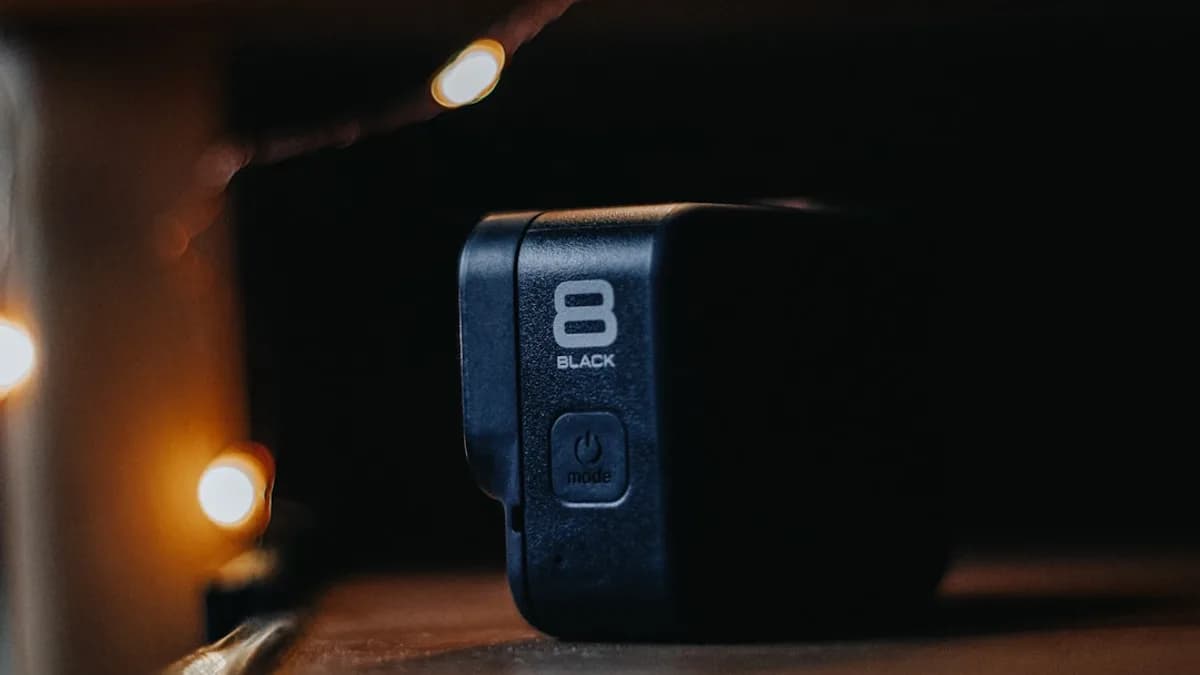
Introduction: GoPro Enters the Cinema-Grade Action Camera Market
GoPro has long been synonymous with rugged, compact action cameras that excel in capturing adrenaline-fueled moments, from extreme sports to underwater adventures. For years, the company’s HERO lineup set the standard for portable cameras, offering impressive stabilization, durable builds, and reliable performance for both amateurs and professionals. Now, GoPro is expanding its reach beyond the traditional action camera market with the introduction of the Mission 1 series—a major leap into cinema-grade technology.
The Mission 1 series is designed to woo filmmakers and content creators seeking uncompromising quality and creative flexibility. With features like 8K video recording, interchangeable Micro Four Thirds lenses, and significantly improved low-light performance, these cameras promise to redefine what’s possible in a compact form factor. This move signals GoPro’s ambition to compete not only in the action space, but also among high-end cinema cameras, making Mission 1 one of the most significant product launches in the company’s history [Source: Source].
Key Features of the GoPro Mission 1 Cameras
The headline feature of the Mission 1 is its ability to record video at a stunning 8K resolution. This jump in image quality means sharper footage, greater detail, and more flexibility for post-production tasks like cropping and stabilization without sacrificing clarity. For filmmakers, the difference is substantial—8K video delivers cinematic visuals that can rival traditional professional setups, while still retaining the convenience and durability GoPro is known for [Source: Source].
Perhaps even more transformative is the Mission 1’s support for interchangeable Micro Four Thirds lenses. Unlike previous GoPro models, which relied on fixed wide-angle lenses, Mission 1 lets users attach a variety of lenses to tailor their shots. Whether you need a telephoto for distant subjects, a fast prime lens for shallow depth of field, or a zoom for dynamic framing, the Micro Four Thirds mount offers versatility previously unseen in action cameras. This opens the door to creative possibilities that were once exclusive to larger, more complex camera rigs.
Low-light performance has also received a major boost. Mission 1’s larger sensor size and improved image processing allow it to capture cleaner, more detailed footage in challenging lighting conditions. This is a boon for creators shooting at dusk, indoors, or in shadowy environments, ensuring that the camera maintains clarity even when the sun isn’t shining [Source: Source].
Beyond these core features, Mission 1 incorporates advanced stabilization technology, ensuring smooth footage even during intense movement. The camera also offers professional-grade audio recording, robust build quality, and intuitive controls designed for both handheld and mounted use. The combination of a larger sensor, powerful processor, and versatile lens system positions Mission 1 as a true hybrid: equally at home on a mountain bike or a movie set.
Comparison with Previous GoPro Models
GoPro’s HERO series has consistently pushed the boundaries of action camera technology, but the Mission 1 represents a quantum leap. Previous models, such as the HERO11 Black, topped out at 5.3K video resolution and featured fixed wide-angle lenses. Mission 1’s 8K capability not only doubles the pixel count but also allows for professional workflows, including large-screen displays and high-end editing [Source: Source].
The introduction of interchangeable lenses marks a dramatic shift. Earlier GoPros were limited to the built-in lens, which, while excellent for capturing immersive wide shots, lacked the flexibility needed for cinematic composition or specialized filming. Mission 1’s Micro Four Thirds mount makes it possible to achieve effects like shallow depth of field, selective focus, and creative framing—options that were previously out of reach for GoPro users.
With these enhancements come potential trade-offs. Mission 1 is likely larger and heavier than typical GoPro cameras, due to the bigger sensor and lens mount. This could impact portability and ease of mounting in extreme environments. Price is another consideration; cinema-grade features typically command a premium, and Mission 1 is expected to be positioned above the HERO line in terms of cost [Source: Source]. However, for filmmakers and creators who value quality and versatility, these trade-offs may be well worth it.
Target Audience and Use Cases
The Mission 1 is clearly aimed at cinematographers, professional content creators, and serious enthusiasts who demand high-quality footage and creative flexibility. For indie filmmakers, documentary producers, and YouTubers seeking cinematic visuals without the bulk or complexity of traditional cinema cameras, Mission 1 could be a game-changer. The ability to shoot in 8K and swap lenses means these users can adapt the camera to any scenario—from capturing expansive landscapes with a wide lens to shooting tight, intimate portraits with a fast prime.
In scenarios like night shoots, indoor events, or challenging environments where lighting is unpredictable, Mission 1’s improved low-light sensitivity ensures reliable results. The camera is also ideal for situations requiring mobility and durability, such as action sports, travel documentaries, or wildlife filming, where traditional cinema cameras might be impractical.
By merging action camera toughness with cinema-grade features, Mission 1 positions GoPro as a serious contender in both markets. Its versatility may influence future product designs across the industry, encouraging competitors to push boundaries on resolution, lens compatibility, and sensor technology [Source: Source].
Market Position and Competitor Overview
GoPro’s Mission 1 enters a market increasingly defined by hybrid devices that serve both action and professional filmmaking needs. Competitors like DJI, Sony, and Blackmagic Design have explored 8K video and interchangeable lenses, but few have managed to combine ruggedness, portability, and creative flexibility in a single device. Mission 1’s Micro Four Thirds compatibility gives it a unique edge, as it leverages a well-established ecosystem of lenses popular among filmmakers.
The camera’s 8K video and enhanced low-light performance place it among the most advanced consumer cameras available. While Blackmagic’s Pocket Cinema Camera and Sony’s Alpha series offer similar features, they lack the durability and compactness GoPro is known for. GoPro’s strategy appears to be differentiation through the fusion of action camera DNA with cinema-grade technology, targeting a gap between mobile, rugged devices and high-end production gear [Source: Source].
Mission 1’s launch reinforces GoPro’s commitment to innovation and suggests a pivot toward broader content creation markets. By offering tools that cater to both adventure and professional filmmaking, GoPro is positioning itself as a versatile, forward-thinking brand.
Conclusion: The Future of GoPro with Mission 1
GoPro’s Mission 1 series marks a bold step into the world of cinema-grade action cameras, boasting 8K video, interchangeable lenses, and improved low-light performance. These features not only elevate the technical capabilities of GoPro’s lineup but also expand its appeal to filmmakers and content creators seeking mobility and creative control. As the camera industry continues to evolve, Mission 1 could set new standards for what compact cameras can achieve.
This launch is likely to shape GoPro’s future product development, encouraging further innovation in sensor technology, lens compatibility, and professional features. By bridging the gap between action and cinema, GoPro is redefining its identity—and potentially the broader camera market itself [Source: Source].