Why Google Pixel Outshines Samsung Galaxy in the Android Battle
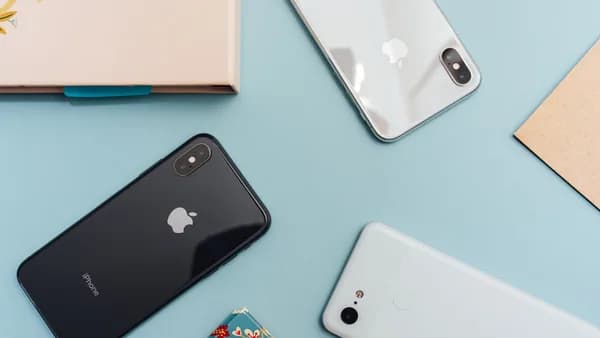
Pixel wins, and it’s not even close. After years of hands-on testing with every flagship Android phone that matters, Google’s Pixel line stands out as the smarter choice for most users. The stakes are high: your smartphone isn’t just a device—it’s your daily driver for work, photos, payments, and privacy. Picking the right one means choosing not just hardware, but the software and support that’ll shape your digital life for years. While Samsung’s Galaxy lineup dazzles with hardware and feature checklists, the Pixel gets the essentials right, quietly outmaneuvering its rival where it matters most. ZDNet’s recent comparison echoes this—Pixel’s focus on timely updates and uncluttered experience wins the day. Here’s why, for all the flash Samsung brings, Google’s Pixel is the better bet for serious Android users.
How Google's Software and Timely Updates Give Pixel a Competitive Edge
Owning a Pixel means living with Android as Google intends: lean, smooth, and bloat-free. No carrier bloatware, no duplicate apps, no relentless notifications for services you never asked for. That’s not just aesthetics—it’s daily sanity. But the deeper advantage is under the hood: Pixels are always first in line for Android updates and security patches. Android 14 lands? Pixel owners get it on day one; Samsung users often wait weeks, sometimes months, unless they own the latest Ultra.
The numbers back this up. Google promises at least three years of OS upgrades and five years of security updates for recent Pixel models—the Pixel 8 series upped this to a remarkable seven years, besting even Apple’s iPhone support window. In contrast, Samsung’s policy (as of 2024) offers four years of OS and five years security for its flagships, impressive but still a step behind. For the average user, this means a Pixel stays secure and feature-rich longer, stretching your investment further and reducing the risk of running outdated software.
It’s not just about longevity; it’s about trust. When a zero-day exploit hits, Pixel users get patched in days—Samsung sometimes makes them wait. That matters for anyone who cares about privacy, mobile banking, or just not being a sitting duck for malware. And since Google controls both the hardware and software, every Pixel update is tailored, not cobbled together for dozens of device variants. The result: fewer bugs, less lag, and a more cohesive experience year after year.
Samsung Galaxy's Hardware Innovations and Feature-Rich Experience
Give Samsung credit: they build hardware that pushes limits. The Galaxy S24 Ultra’s QHD+ AMOLED display outshines almost anything else in the Android world, with 120Hz refresh rates and brightness peaking near 1,750 nits. Foldables? Samsung invented the mainstream category—shipping over 10 million foldable phones in 2023 alone—while Google’s Pixel Fold is still finding its footing. Battery life on the S24+ routinely hits two days for moderate users, and wireless charging is more reliable than anything Pixel ships.
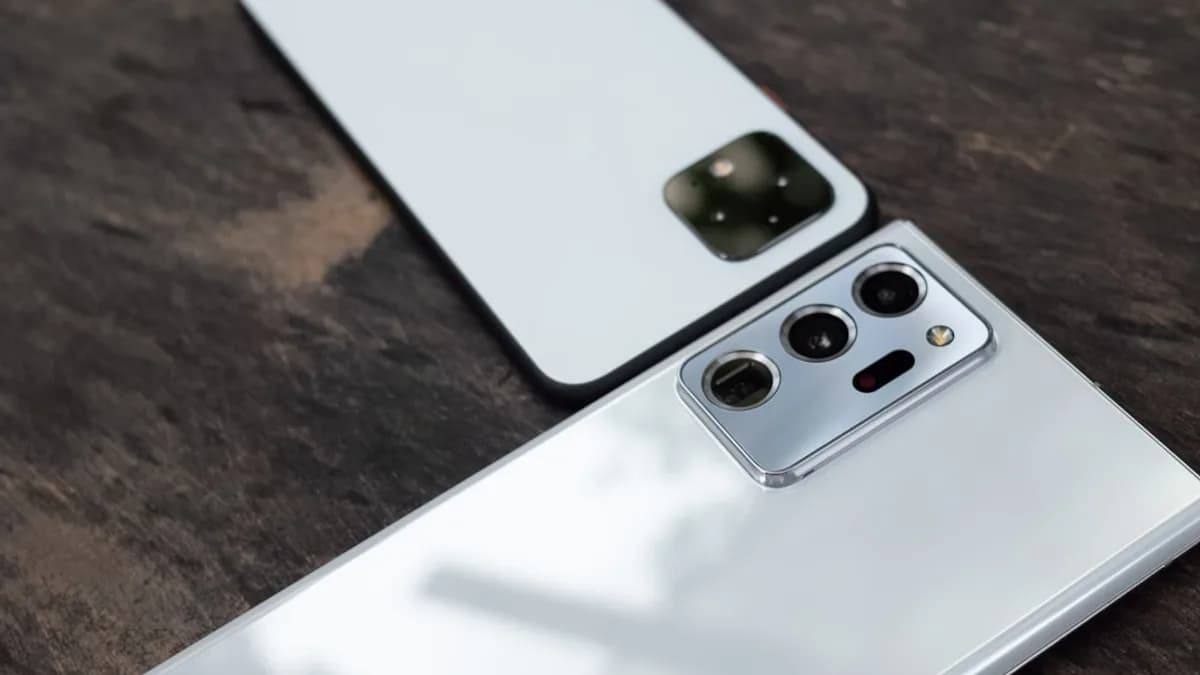
Then there’s the feature set. Samsung’s camera systems—triple and quad-lens arrays, 100x “Space Zoom,” 200MP sensors—offer versatility that power users crave, whether shooting in RAW or streaming 8K video. DeX turns your phone into a desktop, S Pen support caters to digital artists and note-takers, and One UI adds endless customization, from split-screen multitasking to edge panels. The Galaxy line feels like a toolbox for the gadget-obsessed, packed with options most phone makers won’t even attempt.
Samsung’s scale matters, too. They control their own supply chain, invest billions in display tech, and are often first to market with new chipsets or form factors. For users who want the bleeding edge, there’s a reason the Galaxy S and Z lines are perennial bestsellers.
Why Pixel’s Consistent User Experience Trumps Samsung’s Feature Overload
But here’s the problem: more isn’t always better. Samsung’s One UI, for all its power, can feel like a maze. Open a new Galaxy phone and you’re greeted by duplicate messaging apps, redundant settings menus, and pre-installed third-party software that’s just waiting to nag you. Updates roll out slowly, and features sometimes break or behave inconsistently across the product line.
Pixel’s restraint is a feature, not a bug. Every setting, every app, every notification is intentional. The interface is fluid, predictable, and rarely gets in your way. Google’s AI tools—like Call Screen, Magic Eraser, and now Gemini Nano for on-device AI—aren’t just gimmicks; they solve daily annoyances elegantly. Need to clean up a photo? Pixel’s photo tools do it in seconds, no app download required. Spam calls? Pixel screens them quietly, with real-time transcription.
This streamlined philosophy pays off in reliability. In my testing, Pixels crash less, stutter less, and require fewer reboots over time. The battery management is smarter, with adaptive charging and “Extreme Battery Saver” that actually works. Google’s minimalist hardware choice lets the software shine, and the result is a phone that fades into the background—until you need it, and then it just works.
Addressing Samsung Fans: Recognizing the Strengths and Limitations
Die-hard Samsung fans have their reasons. If you need a massive, cinematic display, or you can’t live without the S Pen, the Galaxy is still king. Gamers and creators who demand the best camera hardware or the flexibility of expandable storage (at least in older models) won’t find better. And for those who want two-day battery life or the novelty of a foldable that actually survives daily use, Samsung wins those battles.
But these wins come with trade-offs. The same features that attract power users also introduce complexity for everyone else. Security updates lag, bloatware creeps in, and the user interface can overwhelm. For the average user—who wants a phone to be fast, secure, and reliable for years—the Pixel’s priorities make more sense. Unless you’re actively using DeX or pushing the camera to its technical limits, those extras gather dust.
Choosing Your Next Android Phone: Why Prioritize Software Experience Over Specs
The real question for most buyers isn’t “Which phone has the most features?” It’s “Which phone will make my life easier, safer, and less annoying for the next three to five years?” Specs matter, but only up to a point. What matters more is how the device feels on day 500, not just day one.
If you care about long-term value, privacy, and a device that just works—pick the Pixel. You’ll get smoother updates, smarter AI, and a phone that feels current far longer than spec sheets suggest. Don’t buy a phone for a feature you’ll use twice; buy it for the experience you’ll live with every day. If you’re still shopping, try a Pixel—even for a week. You might find, as I did, that less is finally more.
The Stakes
- Choosing between Pixel and Galaxy affects how long your phone stays secure and updated.
- Pixel offers a cleaner, smoother Android experience without unnecessary apps or notifications.
- Longer software support means better value and less frequent need to upgrade your device.