Samsung Galaxy S27 Ultra Rumored to Feature 200MP Variable Aperture Camera
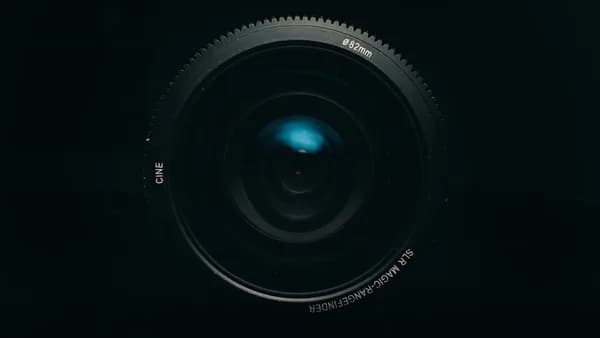
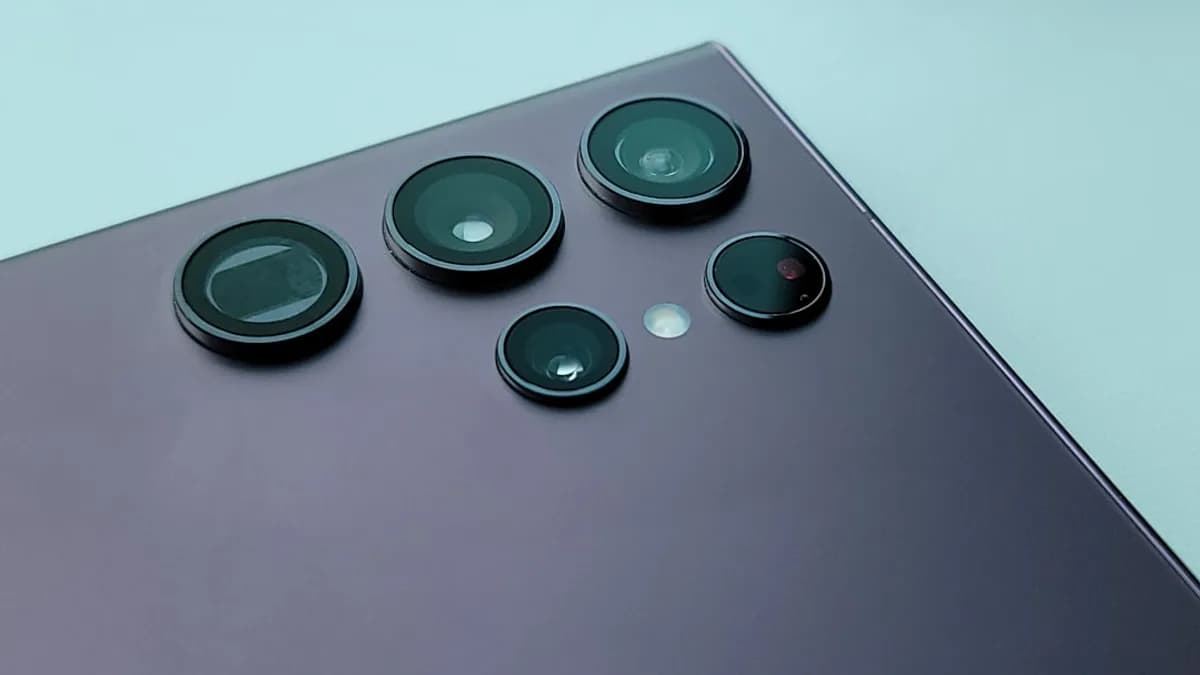
Samsung is reportedly testing a 200MP main camera with variable aperture for the Galaxy S27 Ultra, according to fresh leaks from tipster Smart Pikachu on Weibo. If accurate, this would mark the first time since the Galaxy S10 series that Samsung returned to variable aperture tech — and the highest resolution sensor ever paired with it in a mainstream flagship. The leak was first reported by Gsmarena.
The S27 Ultra is still months from its official unveiling, but camera rumors have started to overshadow even the usual processor and display chatter. Samsung already leads the high-megapixel race with its ISOCELL HP2 200MP sensor featured in the S23 Ultra and S24 Ultra, but both use fixed apertures. The addition of variable aperture would let the S27 Ultra modulate lens opening size for better low-light shots or sharper daylight images, a feature largely abandoned by rivals since 2019.
This leak follows earlier hints of a redesigned camera module, signaling that Samsung may be planning a substantial hardware upgrade, not just incremental tweaks. With competitors like Apple and Google focusing heavily on computational photography, Samsung appears to be doubling down on sensor and lens innovation to reclaim the mobile camera crown.
Impact of Variable Aperture and High-Resolution Sensors on Smartphone Photography
Variable aperture isn’t just technical flair — it fundamentally changes how smartphones capture light. A wider aperture (e.g., f/1.5) allows in more light, crucial for low-light photos, while a narrower setting (e.g., f/2.4) keeps more of the scene in focus for daylight shots. Samsung’s earlier attempt with the Galaxy S9 and S10 toggled between two fixed apertures, but industry focus soon shifted to software tricks and pixel binning.
A 200MP sensor, on the other hand, pushes image detail to extremes. On the S24 Ultra, Samsung already touts 16-to-1 pixel binning, combining data from multiple pixels for brighter, cleaner images. Paired with a variable aperture, the S27 Ultra could dynamically balance resolution, depth of field, and exposure — something that’s been missing from the incremental upgrades of recent years.
The industry skipped variable aperture for a reason: moving parts add cost, complexity, and potential failure points. But the payoff could be a new photography standard, especially if Samsung nails the integration. Apple’s iPhone 15 Pro Max and Google’s Pixel 8 Pro rely on computational prowess to mask small sensors and fixed apertures, but real optical flexibility could give Samsung an edge in raw image quality, especially in challenging scenes.
If these leaks pan out, the S27 Ultra would be the only mainstream flagship in 2025 with hardware-based depth-of-field control and ultra-high resolution, throwing down a gauntlet to rivals who’ve coasted on software alone. It’s a bold bet, but one that could shift the balance for buyers who care about photography over AI processing or battery stats.
What to Expect Next for Samsung Galaxy S27 Ultra and Camera Innovations
The S27 Ultra is still deep in development, and Samsung’s final hardware choices are rarely locked this early. Expect more leaks and supply chain clues to surface through the latter half of 2024, with the real specs likely confirmed at Samsung’s usual Unpacked event in Q1 2025. Camera upgrades rarely stand alone — look for rumors about improved telephoto lenses, next-gen image stabilization, and larger sensors in the coming months.
The real story will be how Samsung marries hardware and software. The company’s recent focus on AI-powered photography (like Galaxy AI and enhanced Nightography) means the S27 Ultra’s camera experience will hinge on more than just megapixels and aperture blades. Watch for how Samsung pitches the synergy of hardware flexibility and computational wizardry.
If Samsung delivers a variable aperture 200MP camera that actually outperforms rivals in real-world use, expect a shift in how flagships are marketed — and what features competitors rush to replicate. For now, anyone considering a high-end upgrade in early 2025 has a new spec to watch — and a reason to hold off on buying this year’s “Ultra.”
Why It Matters
- Samsung may introduce the most advanced camera hardware yet in a mainstream smartphone.
- Variable aperture enables better photo quality in both low-light and daylight conditions.
- Hardware innovation could shift the focus away from software-only photography trends and reignite competition.