Why Google Maps Outshines Waze as the Ultimate Navigation App
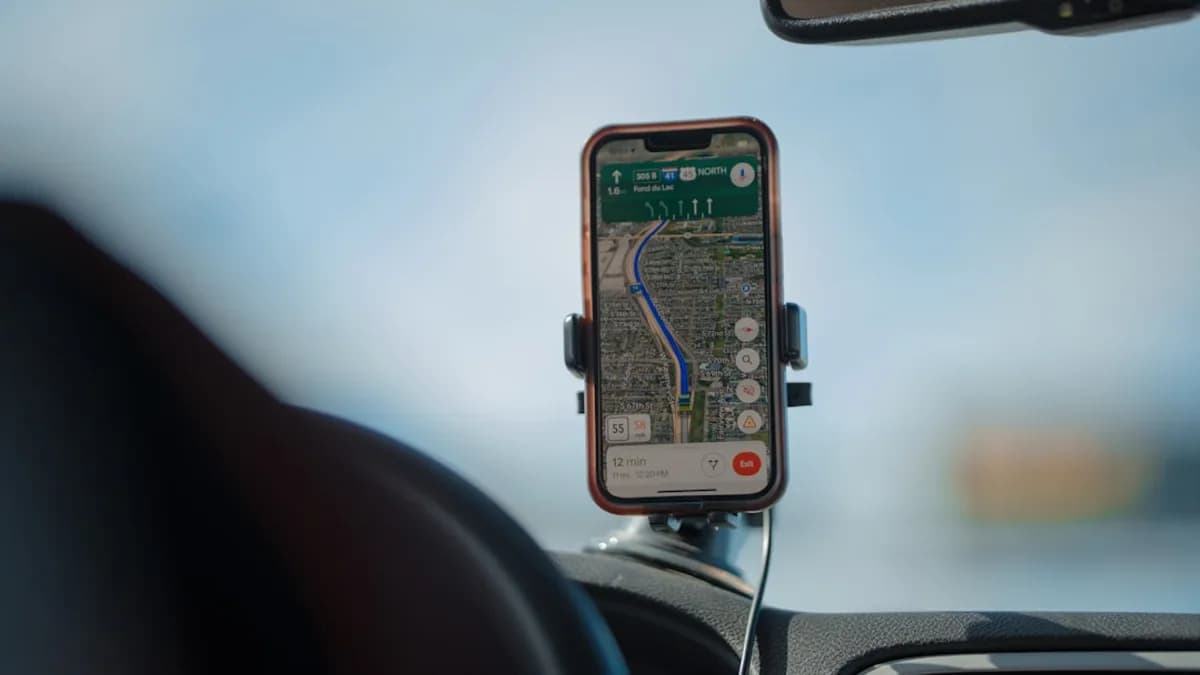
One app predicts your next turn; the other predicts your next hour. Google Maps isn’t just a navigation tool—it’s a daily operating system for millions, and it’s leaving Waze in the rearview. The difference comes down to Google Maps’ sheer depth: it folds in AI, location context, and transport options that Waze simply can’t match. Navigation isn’t just about getting around traffic anymore; it’s about integrating your route with everything else you do. That’s why, for most drivers, Google Maps is the smarter choice, despite Waze’s undeniable strengths on the incident and rerouting front.
The market agrees. Google Maps commands over a billion active users, while Waze holds steady with about 140 million. That scale isn’t just a vanity metric—it’s the foundation for Google Maps’ data dominance, and it’s why the app keeps pulling ahead in feature set and user trust, according to ZDNet.
How Waze’s Real-Time Alerts and Quick Reroutes Enhance Driving Efficiency
Waze’s superpower is immediacy. The app’s crowdsourced model turns every user into a sensor, generating a constant stream of real-time alerts: potholes, police, debris, stalled cars, and speed traps, all reported and verified by drivers. The effect? Waze can reroute you around a traffic snarl before Google Maps even registers the slowdown. According to a 2023 survey by The Manifest, 71% of Waze users cite “real-time traffic updates” as their primary reason for choosing the app.
This community-driven approach shines during rush hour and on unpredictable commutes. If a truck flips on the interstate or a new construction zone appears, Waze pushes out alerts and alternative routes within minutes. In a 2022 AAA study, drivers using Waze shaved an average of 12% off their commute times during peak congestion versus those using other navigation apps. For rideshare drivers, gig workers, and anyone with a flexible schedule, those saved minutes stack up fast.
Waze’s interface is built for this speed. Reporting an incident takes two taps, and updates are pushed almost instantly. In accident-prone metro areas—think Los Angeles, Houston, or São Paulo—this real-time pulse isn’t just convenient; it’s a genuine edge.
The Power of Google Maps’ Gemini Integration and Feature-Rich Experience
Waze might win in the moment, but Google Maps wins in the long game by anticipating needs you haven’t even voiced. The Gemini AI integration is a prime example: it’s not just about navigation, but about context. Gemini analyzes your calendar, recent searches, and even travel history to suggest destinations and routes before you ask. Planning a business lunch? Maps already knows the location, traffic trends, and the best time to leave.
Offline maps are another major differentiator. When you’re driving through dead zones in rural America or navigating foreign cities without roaming, Google Maps lets you download entire regions and access turn-by-turn navigation without a signal. Waze, by contrast, still requires a persistent data connection—a dealbreaker for road trippers or international travelers.
Multi-modal transport is where Google Maps pulls ahead for urban users. Integrating public transit, rideshare options, cycling routes, and even walking directions, Maps offers a seamless switch between driving and other travel modes. In 2024, Google added over 2,000 new public transit agencies to Maps, making it indispensable for commuters who mix driving with buses, trains, or scooters.
Location data in Maps is richer, too. Detailed business profiles with reviews, live occupancy, photos, and menus transform the app from a simple navigator to a decision engine. Need a charging station for your EV or want to check if a restaurant is dog-friendly? Maps surfaces that info in a tap. The app’s AR “Live View” helps pedestrians navigate city blocks with on-screen overlays—a feature Waze doesn’t touch.
In short, Google Maps isn’t just about moving you from A to B. It’s about threading navigation into the rest of your digital life, making every trip smarter, more predictable, and more personalized.
Addressing Waze’s Advantages: Why Some Drivers Might Prefer It
Some drivers don’t want a digital concierge—they want a streetwise co-pilot. Waze appeals to commuters who thrive on beating the system: those who care less about restaurant reviews and more about avoiding speed traps. The app’s social features—like user avatars, leaderboards, and the ability to thank fellow drivers for alerts—build a sense of camaraderie that Google Maps lacks.
For the adrenaline crowd—pizza delivery drivers, rideshare hustlers, or anyone who treats traffic like a chess match—Waze’s community alerts can sometimes outpace Google Maps by several minutes. There are also regions where Waze’s user density translates into more accurate data. In Tel Aviv, for example, where Waze was founded, the app often outperforms Maps on hyper-local congestion.
If your top priority is outsmarting traffic and hazards, Waze feels like a specialized tool built just for you.
Choosing the Right Navigation App: Embrace Google Maps for a Smarter Drive
Waze’s focus on real-time, community-driven alerts makes it the go-to for traffic dodgers and professional drivers. But for the vast majority, Google Maps is the only app that scales from daily commutes to cross-country road trips, from public transit to walking in a new city. Its integration with Gemini AI, offline maps, and deep location context doesn’t just help you avoid traffic—it helps you organize your day, adapt to surprises, and discover new places.
The smart move? Try both apps. Use Waze when minutes matter—say, during a snowstorm or a major accident. But for everything else, make Google Maps your default. The future of navigation is about context, personalization, and seamless integration with the rest of your digital life. Google Maps isn’t just keeping up; it’s defining the standard.
Don’t settle for just getting there—get there smarter. Test, compare, and demand more from your navigation app. The road ahead is only as good as your guide.
Key Takeaways
- Google Maps offers a wider range of features and integration for daily use, making it more versatile for most drivers.
- Waze excels at real-time alerts and rapid rerouting, providing efficiency benefits during unpredictable traffic.
- Choosing the right app can significantly impact commute times, user experience, and navigation reliability.