Why Building Your Own Drone with an Affordable DIY Kit Matters Today
For under $100, a beginner can now assemble a flight-ready drone—something that would have cost triple a decade ago. The surge in affordable DIY kits is not just about price; it’s about democratizing access to technology that was once reserved for hobbyists with deep pockets or professionals in aerial photography. The ESP-FLY kit, highlighted by Notebookcheck, lands at the intersection of education, hobbyism, and practical engineering.
Ready-made drones still dominate the market, raking in billions globally—DJI alone controls over 70% of consumer sales—but their cost, limited customization, and closed hardware often frustrate tinkerers and learners. Entry-level models rarely allow for meaningful upgrades or repairs, locking users into a fixed experience. This is where DIY kits shift the paradigm: they invite experimentation, hands-on learning, and a clear sense of ownership.
The educational impact is significant. Building a drone from scratch means learning about electronics, coding, aerodynamics, and troubleshooting—all real-world skills. For STEM educators, DIY kits are catalysts for engagement: students can go from theory to flight in a weekend. And for casual users, the low price point makes tech exploration less risky. The ESP-FLY isn’t just a gadget; it’s a gateway for anyone curious about robotics, automation, or engineering.
What Makes the ESP-FLY DIY Drone Kit Stand Out for Beginners and Enthusiasts
ESP-FLY doesn’t try to compete with high-end models in specs—it focuses on accessibility and clarity. The kit arrives with a modular plastic frame, brushless motors, propellers, a compact flight controller, and all necessary electronic components. Clear, illustrated instructions walk users through each stage, reducing the intimidation factor for first-timers.
Compared to other DIY drone kits like the Makerfire or the Eachine Mini, ESP-FLY’s assembly process is streamlined—most users report a build time of 2-3 hours, versus 5-6 hours for more complex kits. The step-by-step guide covers everything from mounting motors to wiring the controller, minimizing guesswork. No soldering is required for the standard version, which makes the kit accessible to those without specialized tools.
Price is the headline draw. While entry-level ready-made drones such as the DJI Mini SE retail for $299 and up, ESP-FLY kits start at $70—roughly a quarter of the price. Even niche educational kits like the Parrot Mambo ($130) don’t offer the same flight readiness out of the box.
Technical specs are modest but functional: the ESP-FLY offers a flight time of 8-10 minutes on a single charge, a control range of up to 100 meters, and a payload capacity of about 50 grams. It’s powerful enough for basic aerial photography and racing, but light enough to avoid registration requirements in most jurisdictions. The flight controller supports basic stabilization and can be upgraded to add GPS or FPV modules if desired.
How Does the ESP-FLY Kit Work to Help You Build a Flight-Ready Drone?
Assembly starts with the frame, which snaps together without tools. Motors are mounted using pre-drilled slots and secured with provided screws; propellers attach to the shafts with color-coded guides to prevent mismatched installation. Next comes the wiring: the flight controller connects to motors and the battery using plug-and-play connectors, eliminating the need for soldering.
Sensor integration is simple: the kit includes a basic gyroscopic sensor for flight stabilization, wired directly to the flight controller. For those wanting extra features, the board has expansion pins for GPS or camera modules, allowing for future upgrades.
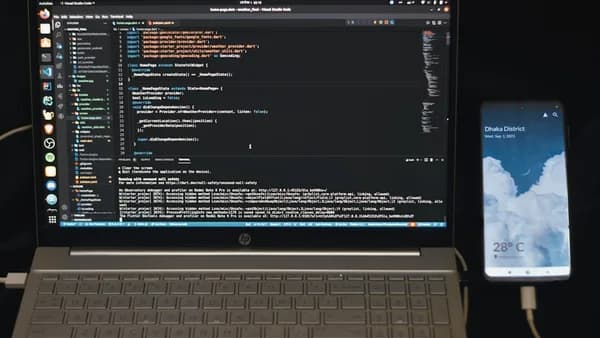
Programming is handled via USB—plug the flight controller into a laptop, use the supplied software, and calibrate the controls. Calibration steps include setting throttle limits, adjusting gyroscope sensitivity, and binding the controller to the radio transmitter. The software walks beginners through each stage, with video tutorials available online.
Safety is baked into the process. The instructions emphasize battery handling (never charge unsupervised), propeller installation (always remove before programming), and motor checks (test without props first). Troubleshooting guides address common issues: wonky stabilization, motor lag, or pairing failures. Most problems trace back to loose connectors or misaligned sensors, both fixable in minutes.
What Can You Achieve with Your DIY Drone After Building It?
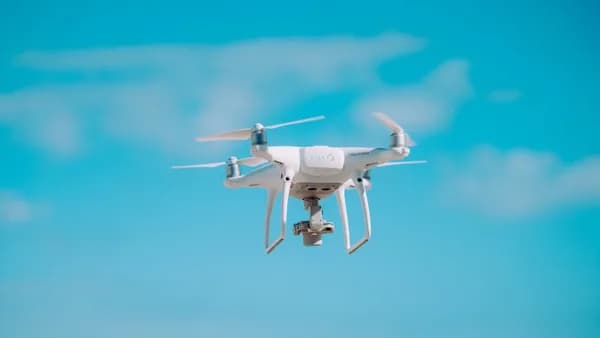
The finished ESP-FLY isn’t just a toy—it’s a functional quadcopter that can handle basic aerial tasks. Users report flight times around 9 minutes per charge, with stable hovering and responsive controls. The range maxes out at 100 meters, enough for backyard flights or small park explorations. Payload capacity is limited but sufficient for a lightweight camera or a small sensor module.
For photography, the ESP-FLY can carry a basic action camera (such as a GoPro or similar weighing under 50 grams), enabling entry-level aerial shots. In racing, the drone’s agility and light weight make it suitable for beginner courses, though it won’t compete with specialized FPV racers. Educational projects are where the kit shines—students can use it to test coding routines, sensor integration, or even basic obstacle avoidance.
Customization is straightforward. The modular frame allows for swapping motors, adding LEDs, or upgrading the flight controller. Some users have fitted ESP-FLY with additional sensors for weather monitoring or environmental data collection.
Case in point: a Berlin-based STEM educator assembled the ESP-FLY with a group of students, adding a custom temperature sensor and a micro camera. On their first flight, the drone maintained stable altitude for 8 minutes, captured aerial footage, and logged temperature readings—an entry-level experiment that would have required a pricier kit just a few years ago.
Where to Buy the ESP-FLY Kit and How to Get Started Quickly
The ESP-FLY kit is available through several trusted online platforms, including Amazon, Banggood, and select specialty electronics retailers in Europe and North America. Prices range from $70 to $90 depending on configuration and shipping.
For assembly support, the manufacturer offers downloadable manuals, step-by-step video tutorials, and a lively user forum. Community-driven sites like RC Groups and Reddit’s r/diydrones provide troubleshooting help, modification guides, and flight videos. Beginners should read the manual cover-to-cover, gather all parts before starting, and watch an unboxing video to avoid missing components.
Joining user communities accelerates learning and sparks inspiration. Many ESP-FLY owners share build logs, flight videos, and upgrade tutorials, dramatically shortening the learning curve for newcomers. For those hesitant, local makerspaces or STEM clubs often host drone build workshops—no experience required.
What to Watch For as DIY Drone Kits Reshape the Market
Affordable kits like ESP-FLY are lowering the barrier for hands-on tech education and personal robotics. As prices drop and assembly gets easier, expect a surge in user-generated upgrades, open-source flight controllers, and modular accessories. The next wave will be kits with AI-powered stabilization, real-time data collection, and live streaming capabilities.
If you’re considering the ESP-FLY or similar kits, prepare for trial and error—but the payoff is real skills and a working drone. Watch for new community projects, firmware updates, and accessory releases. The DIY drone isn’t just a gadget; it’s a launchpad for curiosity, creativity, and technical confidence.
Why It Matters
- Affordable DIY kits like ESP-FLY make drone technology accessible to a broader audience.
- Hands-on assembly promotes STEM education and practical engineering skills.
- DIY kits empower users with customization and repair options, unlike fixed ready-made drones.