Updated: Google has not confirmed a consumer launch date, pricing, or final specs for Android XR smart glasses. This refresh corrects earlier “launching this fall” language and adds context around Android XR, Gemini, Samsung, and Google’s eyewear partnerships.
Google Shows Android XR Smart Glasses Powered by Gemini AI
Google is still betting big on Android XR smart glasses, but the clearest update is what has not been announced: the company has not publicly confirmed a retail launch date, pricing, final hardware specs, or exact availability for consumer Android XR glasses. Instead, Google has positioned Android XR as a broader platform for headsets and glasses, with Google’s Gemini AI serving as the core assistant layer across next-generation wearable devices.
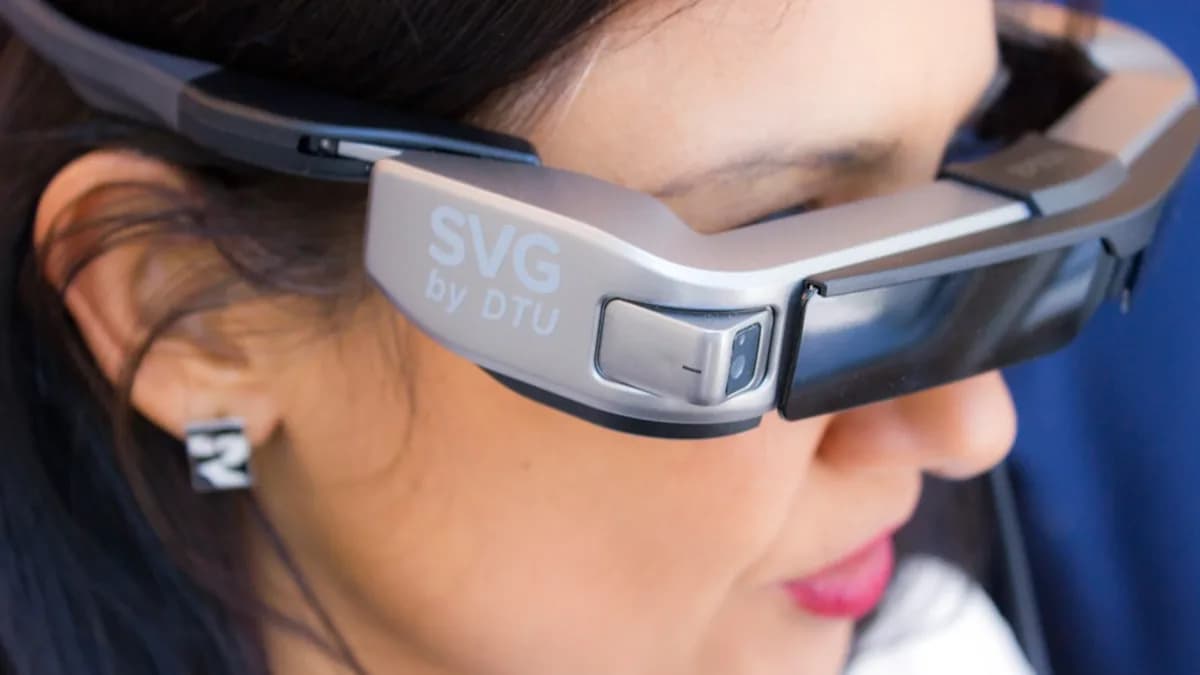
The smart glasses Google has demonstrated so far are best understood as prototypes, not finished consumer products. They show the direction of the platform: lightweight frames with microphones, speakers, cameras, and, in some demos, a small in-lens display for glanceable information. Gemini can respond to voice prompts, understand what the wearer is looking at, help with navigation, draft or summarize messages, and provide real-time translation.
Google’s partnerships with Gentle Monster and Warby Parker remain a major part of the story. Those collaborations signal that Google wants Android XR glasses to feel like everyday eyewear, not bulky developer hardware. That is a direct lesson from Google Glass, whose technical ambition was overshadowed by concerns about design, privacy, and social acceptance.
The broader Android XR ecosystem also includes Samsung and Qualcomm. Samsung has been developing Android XR hardware, widely seen as the first major device category to showcase the platform, while smart glasses appear to be Google’s longer-term mainstream play. That distinction matters: Android XR glasses are central to Google’s AI wearable vision, but they are not yet a fully detailed consumer product line.
Key Features of Google’s Android XR Glasses Revolutionizing Wearable Tech
The most important feature is Gemini itself. Google is not pitching Android XR glasses as a simple notification screen for your face. The larger goal is a multimodal AI assistant that can hear, see, and respond in context. In demos, that means asking Gemini questions about what is in front of you, getting help with everyday tasks, or receiving information without pulling out a phone.
Navigation remains one of the most practical use cases. Android XR glasses could offer walking directions, transit guidance, or location-aware prompts in a more natural way than a smartphone. However, the final user interface will depend on the hardware. Some glasses may include a display; others may rely more heavily on audio cues through built-in speakers.
Hands-free communication is another obvious feature. Users could dictate messages, receive summaries, place calls, or ask Gemini to compose quick replies. This is where Google’s AI stack could make the glasses more useful than earlier smart eyewear, which often depended on rigid commands and limited voice controls.
Live translation is one of the strongest potential selling points. Google has already shown real-time language translation and captions across its AI products, and glasses are a natural form factor for that capability. If executed well, translations could appear visually to the wearer or be delivered through audio, making conversations easier while traveling, working, or studying.
Photo and video capture are likely to be part of the experience, though this remains one of the most sensitive areas. A wearable camera can be useful for capturing moments, scanning information, or letting Gemini understand visual context. But it also raises privacy concerns for people nearby. Google will need clear recording indicators, strong permissions, and transparent data policies if it wants mainstream users to trust the product.
The biggest change from earlier smart glasses efforts is the AI-first approach. Google is not simply trying to recreate a phone interface in eyewear. It is trying to make the assistant the interface.
What to Expect Next: Availability, Pricing, and Market Impact of Android XR Glasses
There is still no confirmed consumer release window for Android XR smart glasses. Earlier reporting pointed to a fall timeline, but Google has not announced final launch details for frames from Gentle Monster, Warby Parker, or any other eyewear partner. No pricing, regional rollout, battery life, prescription lens support, or model lineup has been disclosed.
That makes the near-term market impact difficult to judge. The concept is compelling: stylish glasses that combine Gemini, translation, navigation, communication, and contextual help. But the execution will determine whether Android XR becomes a mainstream wearable platform or another promising idea that remains limited to demos and early adopters.
Pricing will be especially important. Meta’s Ray-Ban smart glasses have helped reset expectations for AI eyewear by focusing on camera, audio, and assistant features without a full AR display. Apple Vision Pro, by contrast, showed the power and limits of high-end spatial computing at premium prices. Google appears to be targeting a middle path: AI-first glasses that are more wearable than a headset but more context-aware than basic Bluetooth eyewear.
Battery life may be the hardest technical challenge. Always-available AI, cameras, microphones, displays, and wireless connectivity all consume power. If the glasses need frequent charging or feel too heavy, mainstream adoption will be difficult. If Google and its partners can deliver all-day usability in fashionable frames, Android XR could become a serious platform shift.
What Remains Unclear
Critical details remain missing. Google has not disclosed final hardware specs, display technology, field of view, battery life, weight, processor configuration, or whether different partners will offer different feature sets. It is also unclear how much Gemini processing will happen on-device versus in the cloud.
Privacy remains another major unknown. Google will need to explain how recording works, whether visual data is stored, how bystanders are notified, and what controls users have over Gemini’s memory and contextual awareness. These questions are not secondary; they may determine whether people feel comfortable wearing or being around Android XR glasses.
The app ecosystem is also unresolved. Android XR suggests a broader developer platform, but smart glasses need carefully designed experiences, not scaled-down phone apps. Google will need to show how developers can build useful, low-friction tools for a wearable interface that may rely on voice, audio, gestures, and small visual prompts.
Finally, the role of the smartphone is still not fully clear. Google has emphasized hands-free AI utility, but it has not confirmed whether consumer glasses will work independently, depend on a paired Android phone, or use a hybrid model.
What to Watch
The next major milestones will be final hardware announcements, developer access, and partner product details. Watch for Google to clarify which companies will ship the first Android XR glasses, whether the initial models include displays, and how Gemini will be integrated into daily tasks.
Samsung’s Android XR hardware strategy is also important. A successful Android XR headset could give developers a reason to build for the platform before smart glasses arrive at scale. Conversely, if smart glasses are delayed too long, Google risks letting competitors define the AI eyewear category first.
The biggest question is whether Google can make the experience feel natural. Smart glasses cannot require constant tinkering, awkward commands, or social compromise. They need to be useful in short bursts: translate this, remember that, guide me there, summarize this message, capture this moment.
If Google delivers that in stylish frames with strong privacy controls, Android XR glasses could move smart eyewear from niche gadget to everyday accessory. Until then, the product remains promising but unproven.
Why It Matters
- Google’s Android XR glasses show how Gemini could become a real-world AI assistant, not just a chatbot on a screen.
- Partnerships with Gentle Monster and Warby Parker suggest Google is prioritizing fashion and comfort alongside technology.
- Navigation, messaging, live translation, and visual AI could make smart glasses more practical than earlier AR experiments.
- Key details—including price, battery life, privacy protections, and launch timing—remain unresolved.