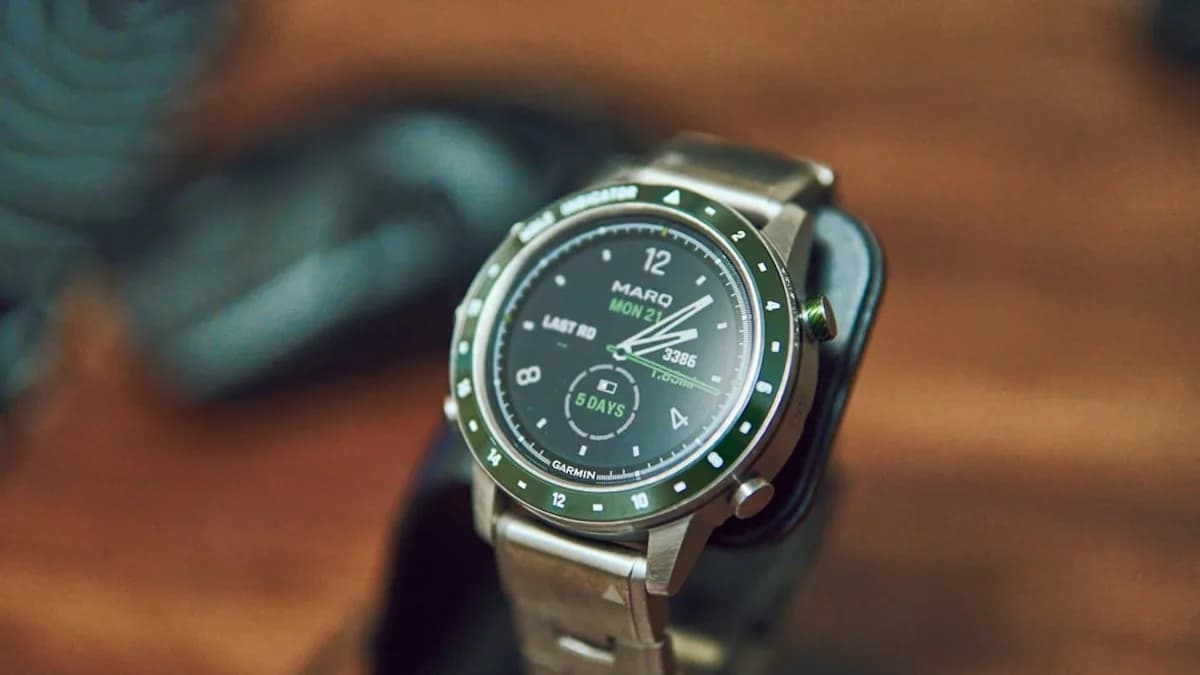
Why Should You Care About Garmin Cirqa in the Crowded Wearable Market?
Garmin has a new wearable on the horizon, and unlike most product rumors, this one looks all but certain. The Garmin Cirqa has surfaced with official certifications, signaling its imminent launch. That’s not just routine: certifications mean the device is real, not vaporware. Yet, the biggest question is what, exactly, Cirqa will add to Garmin’s already crowded lineup—or to your wrist.
Garmin isn’t a newcomer throwing spaghetti at the wall. Its reputation is built on accuracy, endurance, and deep health and fitness data. So when the company signals a new band, the market takes notice. But according to Notebookcheck, the Cirqa’s specific value proposition remains a mystery. With little official detail, consumers and analysts are left to speculate: Is Garmin about to raise the bar, or just the price?
The real tension is whether Cirqa can justify its expected premium over competitors. In a market saturated with fitness bands and smartwatches, only clear, demonstrable value wins. If Cirqa falls short, even Garmin’s loyalists might hesitate.
What Features and Innovations Might Garmin Cirqa Bring to Justify Its Price?
All we know for certain is that the Cirqa has passed key certifications, making its release a matter of “when,” not “if.” That’s the solid ground. Beyond that, everything else—features, design, target audience—is unconfirmed.
Still, Garmin’s track record hints at possible directions. The company rarely launches a wearable without a clear focus on advanced tracking: think sleep, heart rate, activity, and performance metrics. Cirqa might follow this template, but with a twist. Certification implies the device meets regulatory requirements for wearables, which could include wireless connectivity and health data handling. But there’s no official word on screen type, battery life, or software experience.
Why does this ambiguity matter? Because if Cirqa is just another band with standard features, it will struggle in a market where differentiation is everything. The source material itself questions what “added value” the device could bring, suggesting that even industry insiders aren’t seeing an obvious leap forward. If Garmin wants to justify a premium price, Cirqa needs to do more than count steps and log sleep—it must introduce features or integrations that current devices lack.
How Does Garmin Cirqa Compare to Other Popular Wearables in Terms of Value?
Direct comparisons are difficult with so much still undisclosed. No official price has been announced, and detailed specs are MIA. What we do know: expectations are high, scrutiny even higher. Garmin’s previous wearables have set a performance-centric standard, but the market is now packed with rivals offering much of the same core tracking.
Let’s consider a typical buyer: someone already invested in Garmin’s platform, perhaps with a Fenix or Forerunner, now eyeing Cirqa as a possible upgrade or secondary tracker. Without confirmed features, that user has to ask, “What will Cirqa do that my current device can’t?” The answer isn’t clear. If Cirqa repeats existing features—heart rate, sleep, activity tracking—without meaningful innovation or convenience, its value proposition weakens.
From a value standpoint, Cirqa’s challenge is not only to match but to exceed what’s already available, both within Garmin’s own catalog and beyond. If the only differentiator ends up being “newness,” even loyalists may hold off.
What Are the Potential Limitations or Drawbacks of Garmin Cirqa That Could Affect Its Appeal?
The most glaring risk is price. If Cirqa enters the market at a premium, it needs to justify every extra dollar. The Notebookcheck coverage is blunt: it’s still unclear what, if anything, sets Cirqa apart. That’s a red flag in a segment where value is scrutinized and alternatives are plentiful.
Another possible limitation is feature overlap. If Cirqa doesn’t bring something new—whether it’s a unique sensor, better battery life, or seamless integration with other services—it risks being seen as redundant. Brand strength only carries so far; eventually, the question becomes, “Why this device, and why now?”
Uncertainty also surrounds design choices. A wearable’s success often hinges on comfort, aesthetics, and daily utility—none of which can be judged before launch. Until Garmin reveals more, potential buyers are left making educated guesses.
How Should Consumers Decide If Garmin Cirqa Is Worth the Investment for Their Needs?
Given the lack of concrete details, consumers should approach Cirqa with cautious skepticism. The best move: hold off judgment until full specs, feature lists, and independent reviews are available. Focus on your personal health and tech needs. If your current tracker does the job, there’s no urgency to switch.
When the device officially launches, evaluate it on these factors: durability (Garmin’s usual strength), ecosystem fit (does it add real value to your health data?), and support (how often does Garmin update and improve devices post-launch?). Don’t be swayed by hype or the allure of “new.” Wait for hands-on impressions and, if price is high, for any early signals of discounting or bundled offers.
In summary, Cirqa is coming—but whether it’s worth your attention or money will depend on hard facts, not brand reputation or assumptions. Watch this space for the official reveal, and demand more than buzzwords before committing.
The Bottom Line
- Garmin Cirqa’s launch could reshape expectations for premium wearables in a saturated market.
- Uncertainty around Cirqa’s features and price highlights the importance of clear value propositions in tech products.
- Consumers may soon face a choice between proven brands and potential innovation at a higher price point.