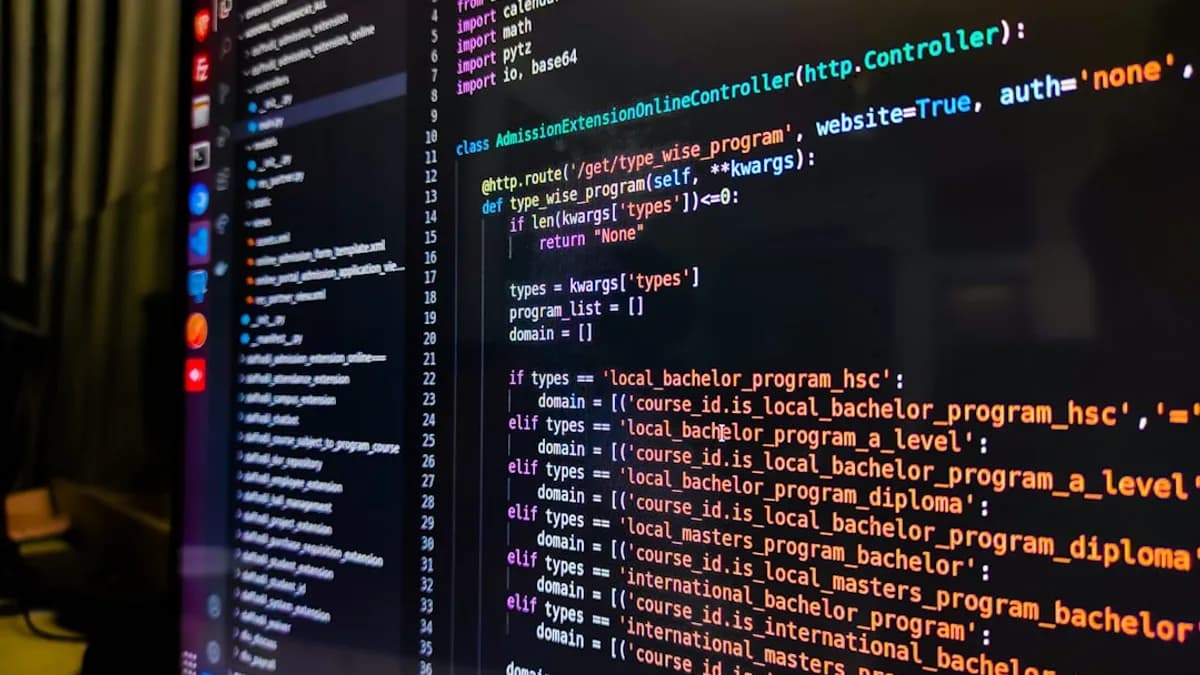
Introduction: The Evolution of Software Engineering
Over the past two decades, software engineering has undergone a series of dramatic transformations, fundamentally reshaping how applications are designed, built, and delivered. This evolution has been marked by two seismic shifts that have not only changed the daily lives of developers but have also expanded the impact and reach of software into nearly every aspect of society and business. The first major shift came with the rise of the open source movement, which democratized access to code and fostered a new era of global collaboration. The second shift was the widespread adoption of DevOps and agile methodologies, transforming development from siloed, slow-moving processes to collaborative, rapid, and iterative cycles. Today, the industry stands at the precipice of a third major transformation—one that promises to redefine the future of software engineering yet again, as emerging technologies and approaches challenge long-held assumptions about how software is created and maintained [Source: Source].
The First Shift: The Rise of the Open Source Movement
The open source movement began in the late 1990s and early 2000s as a response to the closed, proprietary nature of most software at the time. Early champions of open source advocated for making software source code freely available for anyone to inspect, modify, and distribute. This philosophy was embodied by foundational projects such as Linux, Apache, and MySQL, which quickly demonstrated the power of collective innovation and community-driven development.
By making code accessible to developers around the world, open source fundamentally changed the pace and nature of software innovation. Instead of reinventing the wheel with every new project, engineers could stand on the shoulders of a rapidly growing library of shared code. This not only accelerated development cycles but also led to higher-quality software, as open scrutiny allowed for faster identification and remediation of bugs and security vulnerabilities.
Perhaps most importantly, the open source movement fostered a new sense of community among developers. Online platforms such as GitHub and SourceForge became gathering places where engineers could collaborate, learn from each other, and contribute to projects that served both business and societal needs. As a result, open source software now underpins much of the world’s technology infrastructure, powering everything from smartphones and cloud servers to artificial intelligence research and financial systems [Source: Source].
The Second Shift: Adoption of DevOps and Agile Methodologies
Following in the wake of open source, the next major transformation in software engineering came with the adoption of DevOps and agile methodologies. These approaches emerged in response to the limitations of traditional “waterfall” development models, where work was organized in linear, siloed stages—requirements gathering, design, coding, testing, and deployment—often leading to slow delivery and misaligned expectations.
Agile methodologies, such as Scrum and Kanban, introduced a new set of principles centered on iterative development, continuous feedback, and cross-functional teamwork. The goal was to break large projects into smaller, manageable units of work (called “sprints” or “iterations”), with frequent reassessment and adaptation to changing requirements. This not only improved responsiveness to customer needs but also helped teams deliver value more consistently and predictably.
DevOps further extended these principles by integrating development (Dev) and operations (Ops) teams, removing barriers that traditionally hindered collaboration and efficiency. The rise of automation tools and practices—such as continuous integration and continuous delivery (CI/CD)—enabled developers to merge code changes more frequently and deploy updates rapidly, without the bottlenecks of manual processes.
Together, DevOps and agile methodologies have delivered substantial benefits. Organizations adopting these practices report faster time to market, higher software quality, and increased ability to respond to business and technical changes. Teams are now empowered to innovate more freely, while users enjoy more reliable and up-to-date software experiences [Source: Source].
The Emerging Third Shift: Redefining Software Engineering’s Future
As software engineering continues to evolve, the industry is now witnessing the emergence of a third transformative shift—one driven by a convergence of advanced technologies and new development paradigms. Among the most influential of these are artificial intelligence (AI)-driven development, low-code and no-code platforms, and intelligent automation.
AI-driven development leverages machine learning models and natural language processing to automate significant portions of the coding, testing, and even architectural design processes. Tools like GitHub Copilot and ChatGPT can generate code snippets, recommend solutions, and assist with debugging, reducing the time and expertise required to build complex applications. This technology can not only boost productivity for experienced developers but also lower the barriers to entry for those new to the field.
Low-code and no-code platforms, such as Microsoft Power Apps and Mendix, take this democratization a step further by enabling users with little or no formal programming experience to create sophisticated applications through visual interfaces and pre-built modules. By abstracting away much of the underlying complexity, these platforms empower a broader range of professionals—including business analysts and domain experts—to participate directly in the software creation process.
This third shift builds upon the foundations laid by open source and DevOps/agile. It extends collaboration beyond traditional development teams to a wider pool of contributors, including those with diverse backgrounds and skill sets. However, it also differs in its emphasis on automation and abstraction, potentially changing the very role of the developer from “code writer” to “solution orchestrator.”
Several organizations are already embracing these innovations. For example, major financial institutions are using AI-powered tools to automate regulatory compliance workflows, while healthcare providers are leveraging low-code platforms to rapidly develop patient management systems tailored to shifting needs. Early adopters report faster project delivery, lower development costs, and greater agility in responding to market demands [Source: Source].
Yet, these changes also raise important questions about quality, security, and the evolving skill set required for software professionals. As AI and automation become more integral to development, new best practices and governance frameworks will be essential to ensure that software remains reliable, ethical, and fit for purpose.
Implications for Businesses and Developers
The ongoing transformation of software engineering presents both challenges and opportunities for businesses and developers alike. For organizations, staying competitive will require a willingness to embrace new technologies and reimagine traditional processes. This may involve investing in AI-powered tools, adopting low-code platforms, or fostering a culture of continuous learning and experimentation.
For developers and engineers, adaptability will be key. As automation handles more routine coding tasks, professionals will need to focus on higher-order skills such as problem-solving, system design, and collaboration across multidisciplinary teams. Familiarity with AI, data analytics, and user experience design will become increasingly valuable, as will the ability to guide and govern intelligent systems.
At the same time, these shifts offer opportunities to unlock innovation, improve productivity, and build more inclusive development communities. By lowering technical barriers and expanding who can contribute, the next generation of software engineering promises to be more diverse and dynamic than ever before [Source: Source].
Conclusion: Embracing the Future of Software Engineering
The history of software engineering is a story of continual change and reinvention. From the democratizing force of open source, through the collaborative revolution of DevOps and agile, to the emerging era of AI-driven and low-code development, each seismic shift has expanded what is possible and who can participate in shaping technology’s future.
To thrive in this environment, organizations and individuals alike must embrace adaptability and continuous learning. By staying curious, open to new ideas, and committed to responsible innovation, the software engineering community can ensure that the next generation of tools and practices delivers not only greater efficiency and capability but also broader societal benefit.
As we stand on the cusp of this third major transformation, the imperative is clear: embrace change, invest in new skills, and help redefine what software engineering can achieve for years to come [Source: Source].