Framework Raises DDR5 Memory Prices After Lower-Cost Stock Runs Out
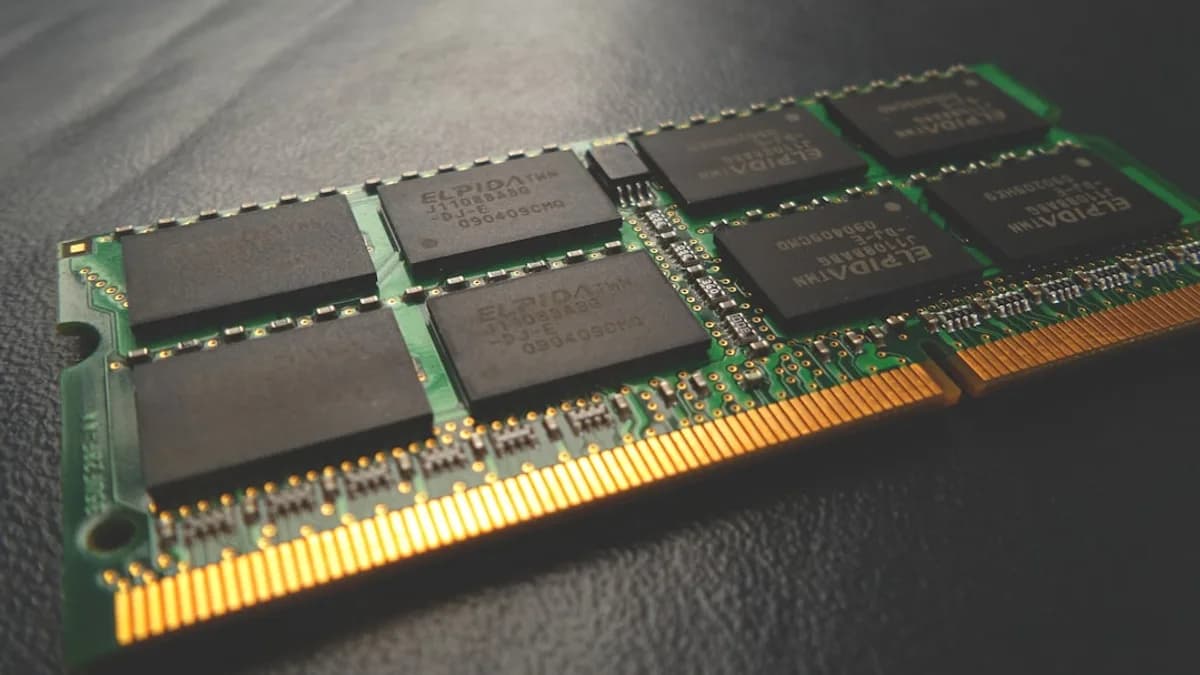
Framework is hiking prices on its 8GB DDR5 memory modules, blaming the move on the exhaustion of its lower-cost inventory. The company says DDR5 supply costs have mostly held steady in recent months, but buyers of its modular laptops will see a price jump on new 8GB modules—Framework’s response to sourcing fresh stock at higher rates, according to Notebookcheck.
The company notes that, for other DDR5 capacities, it has managed to keep pricing unchanged for now. But the 8GB modules stood out because earlier, cheaper batches are gone, forcing Framework to pass on new procurement costs directly to customers.
Analysis: This is a classic inventory-cycle squeeze. Framework’s reliance on previously acquired, lower-priced stock meant it could hold the line on retail prices—until that buffer vanished. Now the cost of new supply hits buyers immediately, exposing the volatility beneath the “stable” headline for DDR5 costs. This kind of pricing lag won’t last for other modules if supply pressures persist.
SSD Pricing Pressures Outweigh Memory Costs in Framework’s Supply Chain
The real pain point isn’t memory. Framework makes it clear that SSD pricing has become the biggest stress on its hardware margins. The company’s older, lower-cost SSD inventory—sourced before the recent run-up in market rates—has been mostly depleted. New NVMe drives are coming in at what Framework calls “sharply higher costs,” which will soon flow through to laptop configurations.
Right now, the price customers pay is still offset by a mix of remaining cheap inventory. But Framework signals that, as the last of its old SSDs run out, the full impact of higher procurement costs will hit. The company expects significant SSD price increases on the horizon for its laptops.
Analysis: This shift is more than an accounting detail. Framework’s margin for absorbing cost shocks is gone—especially for storage, which is typically the priciest configurable component. Buyers eyeing larger or faster SSDs are likely to feel the pinch first, and models with higher base storage could see the steepest jumps depending on how Framework allocates new inventory.
What Framework’s Pricing Changes Mean for Laptop Buyers and the Market
Buyers considering a Framework laptop will soon face the reality of higher component costs, especially for storage. Upcoming configurations are set to reflect these new, more expensive NVMe drives, shrinking the window for value purchases on models using the last of the older stock.
Framework hasn’t detailed how much prices will rise or exactly when the new costs will be passed through. This leaves a gap in clarity for both buyers and analysts. It’s also unclear if the company will adjust its broader sales strategy or incentive programs to offset sticker shock as it transitions to higher-cost hardware.
Analysis: For now, the only certainty is uncertainty. Customers holding out for a deal may see those vanish as old inventory disappears. Businesses planning bulk purchases or custom configurations should brace for price swings—or lock in orders before the next round of increases lands. If DDR5 costs rise further or SSD supply tightens, Framework could be forced into another round of pricing adjustments.
What Remains Unclear and What to Watch
Framework’s statements confirm higher prices are coming but stop short of specifics. The magnitude and timing of SSD and memory price hikes remain open. The company also doesn’t address whether it will change suppliers, cut SKUs, or tweak its upgrade philosophy as component costs shift.
What to watch: The next month will be crucial. Framework has signaled that future price increases will fully reflect new SSD costs once old inventory is gone. If global supply stabilizes or further shocks hit the memory and storage markets, Framework—and its buyers—could see more volatility ahead. For now, anyone on the fence about a purchase is racing against the depletion of cheaper stock and the arrival of steeper prices.
The Bottom Line
- Framework customers will see higher costs for 8GB DDR5 memory immediately, with broader component price hikes likely soon.
- The company’s pricing is increasingly exposed to volatile supply chain costs as older, cheaper inventory runs out.
- SSD price increases are expected to be even more significant than memory, impacting the affordability of Framework’s laptops.