Why the Foldable iPhone Ultra Could Redefine Smartphone Innovation
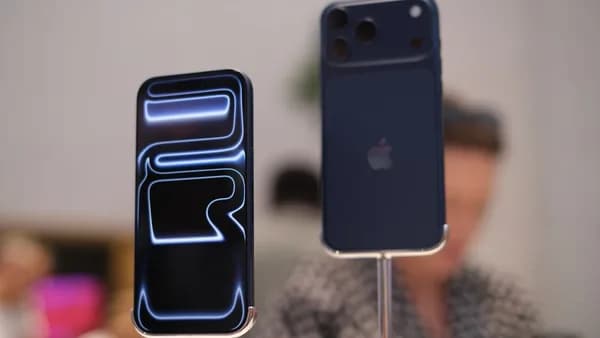
Apple’s entry into the foldable smartphone race isn’t just another product launch—it threatens to upend a segment that’s so far been a proving ground for Samsung, Huawei, and Motorola, but not a mainstream staple. The company’s track record shows that when it jumps into a category, it doesn’t merely follow trends; it often rewrites the rules. The dummy unit shown in a new video from Unbox Therapy offers the clearest hint yet that Apple’s foldable ambitions are moving past vaporware to near-reality, and that’s rattling competitors and investors alike according to 9to5Mac.
The foldable design challenges the dominant slab-phone paradigm, promising a device that’s both a pocketable phone and a tablet-grade productivity tool. Apple’s approach—if the dummy unit is accurate—leans into a book-style fold, echoing the Galaxy Z Fold, but with signature Apple minimalism and polish. This isn’t just about aesthetics; it signals a rethink of how users interact with screens and software. Imagine FaceTime calls on a desk with the device half-folded, or split-screen multitasking that feels native rather than forced.
For users, a foldable iPhone Ultra could mean one device replacing two, bridging mobile convenience and desktop productivity. The stakes are high: foldables currently account for less than 2% of global smartphone shipments, but analysts project double-digit growth through 2028. Apple’s entry could spark mass adoption, turning a niche into a new standard. For the smartphone industry, it’s a warning shot—if Apple can deliver the reliability and polish missing from early foldables, the entire market will be forced to catch up or risk irrelevance.
Dissecting the Foldable iPhone Ultra Dummy Unit: What the Video Reveals
Unbox Therapy’s 10-minute video drills into the physical details of the dummy unit, offering far more clarity than blurry leaks or renders. The device features a book-style fold with a robust hinge mechanism that looks engineered for longevity, addressing a pain point for existing foldables where creasing and fragility are endemic. The hinge appears flush with the chassis, reminiscent of Apple’s obsession with seamless integration—a marked departure from the visible gaps and bulges seen in Samsung’s Fold series.
Screen size is substantial, reportedly around 7.8 inches when fully opened, placing it squarely in tablet territory. The bezels are minimal, and the outer shell sports what looks like titanium, echoing the iPhone 15 Pro Ultra. The dummy’s weight and thickness also suggest Apple is targeting a device that’s usable one-handed when folded, another challenge competitors have struggled with.
The dummy unit aligns with prior rumors of a foldable “Ultra” device, not a standard iPhone. This tracks with Apple’s strategy of launching new form factors at the premium end—think iPad Pro, MacBook Pro—before trickling innovations down. Notably, the dummy lacks a visible crease, a chronic weakness in Samsung and Huawei models, hinting at either a stiffer hinge or improved flexible OLED display tech.
Build quality is hard to assess from a dummy, but the materials and tolerances suggest Apple isn’t rushing a prototype to market. There’s no sign of an external secondary display—a feature common in competitors—implying Apple may be banking on software adaptation and app continuity rather than hardware redundancy. This focus on simplicity could pay off in reliability and user satisfaction, but it also risks alienating power users who expect multiple screens.
The camera bump is pronounced, likely signaling flagship-level sensors. If Apple integrates its ProRAW and spatial video capabilities, the foldable could double as a creator tool, not just a productivity device. Every detail in this dummy unit points to Apple’s intent: a foldable that feels like a finished product, not an experiment.
Foldable Smartphone Market Data: Trends and Consumer Demand Insights
Foldable phones remain a niche, but the numbers are shifting fast. Global shipments hit 16.2 million units in 2023, up 47% year-over-year, according to IDC. Samsung dominates, holding nearly 70% market share thanks to its Galaxy Z Flip and Z Fold lines. Huawei, despite sanctions, grabbed 17%, mostly in China. Motorola sits below 5%, its Razr reboot failing to scale.
Consumer surveys show interest is rising, especially among premium buyers. Deloitte’s 2024 Mobile Consumer Survey found 41% of respondents would consider a foldable for their next device, but only if durability and price concerns are addressed. The average foldable retails for $1,400—nearly double the global average for smartphones. Apple’s brand power could justify a higher price, but the company must deliver on reliability, as 30% of foldable buyers reported screen or hinge issues within one year.
Samsung’s Fold4 and Flip5 shipments surged after it cut prices by 15% in late 2023, proving that cost remains a major barrier. Apple rarely competes on price, so the Ultra’s success will hinge on perceived value and seamless integration with iOS and Mac. If Apple can convince buyers that a foldable iPhone offers both utility and durability, analysts expect its first-year sales to eclipse 5 million units—a figure that would instantly reset the category’s benchmarks.
Multiple Perspectives on the Foldable iPhone Ultra: Industry Experts, Consumers, and Competitors
Industry analysts are divided: some see Apple’s foldable as overdue, others warn of steep engineering challenges. Ming-Chi Kuo, whose track record on Apple leaks is strong, predicts a launch no earlier than 2027, citing supply chain bottlenecks and the company’s demand for stringent quality standards. Ross Young, CEO of Display Supply Chain Consultants, argues Apple’s entry will force Samsung and BOE to accelerate flexible OLED innovation, especially as Apple tends to demand exclusive, custom panels.
Consumers are skeptical but intrigued. Durability tops the list of concerns—foldables from Samsung and Huawei routinely suffer from screen bubbles, hinge failures, and water ingress. Apple’s reputation for build quality could sway fence-sitters, but expectations are sky-high. Usability matters too: if the software isn’t adapted for foldable workflows, the device risks feeling like a gimmick.
Competitors are already pivoting. Samsung has ramped up R&D on “rollable” displays and launched a trade-in program targeting iPhone users. Huawei, still locked out of Google services, is betting on domestic demand. Google’s Pixel Fold, while technically polished, hasn’t moved the needle on market share, highlighting the challenge of breaking through the “slab phone” inertia.
The strongest evidence argues Apple will drive adoption not by price or features, but by solving the durability and seamless experience puzzle. If it does, rivals will face a reckoning: they’ll need to match Apple’s polish or risk losing their early lead.
How Apple’s Foldable iPhone Ultra Fits into the Evolution of Smartphone Design
Foldables aren’t new—Motorola’s Razr, launched in 2019, was the first modern attempt, but it flopped on durability and battery life. Samsung’s Galaxy Fold, also 2019, suffered from screen failures and hinge grit, forcing a recall. The Flip and Fold series improved steadily, but even the latest models still show visible creases and struggle with software adaptation.
Apple’s design philosophy has always prioritized reliability and user experience. The original iPhone killed the physical keyboard, the iPad blurred lines between laptop and tablet, and the Apple Watch turned wearables mainstream. Each time, Apple waited for the technology to mature, then delivered a product that felt inevitable.
The foldable iPhone Ultra dummy suggests Apple is taking the same approach: wait out early failures, refine materials (likely titanium and ultra-thin glass), and bake in software support from day one. Lessons from past foldables are clear—durability, battery life, and app compatibility determine success. If Apple’s device can avoid creasing and hinge breakdowns, it could finally deliver on the promise of a phone-tablet hybrid.
Historically, when Apple enters a new category, the rest of the industry scrambles to catch up. The iPhone ended Nokia’s reign, the iPad crushed netbooks, and the AirPods forced competitors to rethink wireless audio. If the foldable Ultra matches the dummy’s quality, expect similar disruption.
What the Foldable iPhone Ultra Means for Consumers and the Smartphone Industry
A foldable iPhone Ultra would force app developers to rethink interface design. Split-screen multitasking, drag-and-drop workflows, and adaptive UIs could become standard, pushing iOS ahead of Android in tablet-like productivity. Apple could leverage its ecosystem—iCloud, Continuity, AirDrop—to make moving between devices frictionless, something competitors have struggled with.
Pricing will be contentious. Apple’s premium strategy means the Ultra could cost $1,800 or more, but the company may sweeten the deal with trade-in incentives or bundled Apple One subscriptions. Repairability is another flashpoint—foldables are notoriously difficult to fix. Apple’s recent shift toward right-to-repair legislation may soften consumer blowback, but expect high replacement costs for screens and hinges.
Accessory makers will scramble to develop cases, stands, and screen protectors. If Apple’s foldable uses titanium and ultra-thin glass, compatibility will be limited, giving Apple more control over the accessory market. Expect MagSafe and Apple Pencil support—features that would make the foldable Ultra a workhorse for artists and power users.
Industry standards could shift overnight. If Apple delivers a reliable foldable, competitors will have to match not just hardware, but the seamless integration and ecosystem advantage. Samsung, Huawei, and Google may accelerate their own foldable innovation, but Apple’s entry will likely establish new benchmarks for durability, software, and user satisfaction.
Predicting the Future: What to Expect Next from Apple’s Foldable iPhone Ultra
Don’t expect a foldable iPhone Ultra before late 2027—Apple’s supply chain demands and quality standards mean slow, deliberate rollout. Early features will likely include a near-creaseless display, titanium chassis, ProRAW camera, and deep integration with iPadOS multitasking, signaling Apple’s intent to blur lines between mobile and desktop.
Software is the wildcard. Apple will need to adapt iOS for foldable workflows, possibly introducing new gestures and split-screen modes. Expect first-party apps to lead, with third-party developers following once the device gains traction.
Long-term, if Apple nails durability and usability, foldables could become the new flagship tier, pushing competitors to innovate or drop prices. The smartphone market will split: slab phones for mainstream, foldables for premium/pro users. Apple’s foldable Ultra, if it matches the dummy’s promise, will force the industry to evolve—fast.
Why It Matters
- Apple’s entry could transform foldable phones from a niche product into a mainstream standard.
- The iPhone Ultra dummy unit hints at a new way to use smartphones, blending mobile and desktop experiences.
- Competitors may be forced to innovate faster or risk losing relevance if Apple delivers reliable foldable technology.