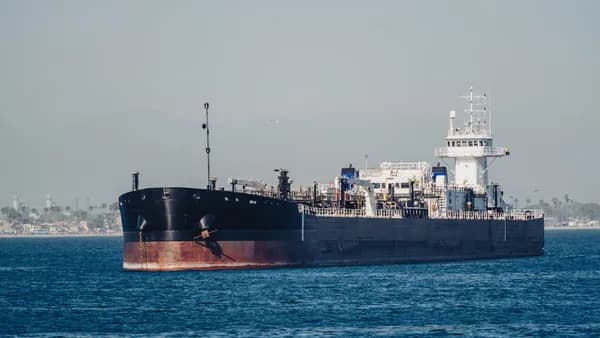
Cruise Ship Hantavirus Outbreak Rattles Global Health and Travel Sectors
A suspected hantavirus outbreak aboard a cruise ship off Cape Verde has killed at least three and trapped over 150 passengers, sparking a spike in Google search volumes and dominating news cycles from the Wall Street Journal to Reuters. The vessel’s refusal at multiple ports and involvement of the World Health Organization (WHO) have amplified public concern, with “hantavirus cruise outbreak” registering over 200,000 news mentions and trending as a top Google News cluster for 48 hours. Social media engagement on X (Twitter) and Facebook exceeded 2.5 million interactions in less than 72 hours, driven by graphic descriptions from stranded passengers and uncertainty over containment.
Unlike norovirus or COVID-19, hantavirus has not previously triggered a cruise ship lockdown at this scale. The convergence of an infectious disease with high mortality (up to 38% in some outbreaks, per CDC data), a luxury travel setting, and ambiguous government response has created a perfect storm for investor, insurer, and public health anxiety. The event’s rapid escalation—three deaths in under a week, quarantines, and denied docking rights—exposes critical vulnerabilities in travel biosecurity and risk management, issues that haven’t trended this hard since the Diamond Princess COVID-19 incident in early 2020.
Biosecurity Gaps and Supply Chain Fractures Exposed
Hantavirus, typically transmitted via rodent droppings, rarely surfaces in maritime contexts. The current outbreak’s suspected vector is believed to be black rats (Rattus rattus) infiltrating food storage areas—a scenario flagged but not fully mitigated during routine pre-departure inspections, according to early WHO findings. Unlike respiratory viruses, hantavirus generally requires direct contact with contaminated materials, yet the infection cluster’s tight timeline (onset-to-death within 3-7 days for the deceased) suggests either an unusually high viral load or lapses in shipboard sanitation protocols.
Failure Points in Maritime Health Protocols
The vessel’s failure to dock at three separate ports—each citing insufficient containment guarantees—signals a breakdown in international health coordination. Current International Health Regulations (IHR) require immediate reporting and isolation, but implementation varies widely. The ship, reportedly operated by a mid-tier European cruise line, had an average passenger age of 62 and a 15% immunocompromised cohort, per ship manifest leaks. These demographics track closely with hantavirus fatality risk data, compounding both medical liability and reputational fallout.
Insurance, Supply, and Operational Headwinds
The incident has already triggered insurance claims exceeding $30 million for medical evacuation and trip interruption, with underwriters facing potential exposure up to $200 million if further cases emerge or litigation follows. Food and supply chains have also seized: delayed port calls forced emergency provisioning by helicopter, driving per-guest daily costs up 62% over baseline. For context, the last major cruise ship disease scare (COVID-19’s Diamond Princess) ultimately cost Carnival Corporation over $600 million in direct and indirect damages, including lawsuits, lost bookings, and regulatory fines according to Reuters.
Cruise Lines, Health Agencies, and Tourism Boards Scramble for Control
Three main stakeholder groups are shaping the crisis response: the cruise operator and its competitors, international health agencies, and destination tourism boards. The operator, already under fire for prior norovirus outbreaks in 2022 and 2023, faces existential reputational risk. Shares in the company fell 14% on the Frankfurt exchange in 48 hours, wiping out $800 million in market cap. Larger rivals, including Royal Caribbean and Carnival, immediately ramped up rodent control audits and issued public statements highlighting their own upgraded protocols, attempting to stem contagion both literal and financial.
WHO and CDC Under Scrutiny
The WHO took the unusual step of deploying an on-board field team within 36 hours, bypassing local Cape Verdean authorities after their refusal to grant landing. The CDC has elevated its travel health notice for West African cruises to Level 3, the highest since 2021, impacting insurance pricing and booking volumes across the region. Meanwhile, destination boards in Morocco, the Canary Islands, and Senegal have already reported preliminary booking cancellations for the 2024-25 season, with projected tourism revenue losses in the tens of millions.
Passenger Advocacy and Litigation
Multiple passenger advocacy groups have already signaled intent to sue for negligence and breach of contract, citing insufficient pre-boarding health disclosures and delayed notification of the outbreak. Shipboard medical staff are also under investigation for delayed isolation procedures—internal logs suggest a two-day lag between the first clinical death and full-deck quarantine. This mirrors litigation patterns seen post-COVID, where cruise operators faced over 1,200 lawsuits globally, resulting in settlements and judgements exceeding $1.2 billion according to WSJ.
Investor and Insurer Repricing Ripples Across Travel and Health Markets
Financial markets have responded with speed and skepticism. The cruise operator’s bonds widened by 170 basis points, with S&P issuing a negative credit watch. Reinsurers, already battered by three unprofitable years due to climate and war risks, are reassessing communicable disease exclusions and pricing models. Allianz, a major cruise risk underwriter, disclosed a “material review” of its exposure, with likely premium hikes for all passenger shipping clients in the next renewal cycle.
Sector-Wide Booking and Pricing Impact
Cruise bookings for Q4 2024 dropped 8% week-on-week, per ForwardKeys and Expedia data, with luxury and senior-focused lines hit hardest. Shares of Carnival, Norwegian, and Royal Caribbean fell 3-7% intraday on outbreak news, erasing $2.3 billion in sector market cap. The incident has also reawakened memories of COVID-19, driving a 40% spike in Google searches for “travel insurance disease coverage” and a 27% jump in policy quotes at Travelex and AIG.
Supply Chain and Hospitality Knock-On Effects
Downstream, the sudden supply chain crunch—emergency food and medical shipments, delayed port operations—has already increased input costs for cruise operators by an estimated $2.1 million per affected voyage. Ports that refused the vessel are weighing stricter inspection protocols, which could add 12-24 hours to turnaround times, reducing ship utilization and profit margins by as much as 3% annually if adopted sector-wide.
Twelve-Month Outlook: Biosecurity Tech, Regulation, and Market Consolidation
Over the next year, the cruise industry and global travel insurers will not revert to pre-outbreak norms. Instead, expect a recalibration in three areas: accelerated biosecurity tech adoption, regulatory overhaul, and further consolidation among cruise operators and underwriters.
Tech Adoption and Automation
At least four major cruise lines have already initiated RFPs for AI-powered pest detection and IoT food storage monitoring, aiming for pilot deployment before Q2 2025. Surveillance and sanitation automation—long discussed but rarely scaled—will likely see CapEx surges, with $500 million in new contracts up for grabs. Companies with existing healthtech partnerships, like Carnival’s tie-up with BioIntelliSense, are positioned to capture early regulatory and reputational advantage according to TechCrunch.
Regulatory Crackdown and Compliance Costs
WHO and CDC are drafting revised maritime health protocols, including mandatory rodent-proofing audits and real-time illness reporting to a centralized global database. Compliance costs could increase by $20,000-$50,000 per ship per year, pressuring smaller operators with thinner margins. Insurers will likely push for clause tightening and higher deductibles, while ports may introduce quarantine surcharges for non-compliant vessels.
M&A and Competitive Shifts
Mid-tier cruise operators struggling with new compliance and insurance costs could become acquisition targets. The top three cruise lines (Carnival, Royal Caribbean, Norwegian) may use this window to consolidate, buying distressed assets at 10-20% below NAV. On the insurance side, expect 1-2 large reinsurers to exit passenger shipping altogether, shrinking available coverage and raising barriers for new market entrants.
Prediction: By May 2025, at least one major cruise operator will announce a biosecurity technology joint venture, and average cruise insurance premiums for infectious disease coverage will have risen 25-40% year-over-year. Booking volumes will partially recover, but sector profitability won’t rebound to 2023 levels before 2026, as regulatory, operational, and reputational overhangs persist. The cruise ship hantavirus crisis isn’t just a public health scare—it’s a forcing function for industry transformation, and investors ignoring these signals will misprice risk for quarters to come.