Introduction to Honor 600 Series: Affordable Android Phones with iPhone-Inspired Design
Honor just launched two new phones in Europe: the Honor 600 and the Honor 600 Pro. Both models grab your attention because they look a lot like iPhones, but run Android instead. The Honor 600 is priced as a “budget flagship,” which means you get fancy specs without paying crazy prices. These phones have big screens, fast chips, strong cameras, and a sleek body that could fool you into thinking they’re high-end Apple devices.
Honor is betting that people care more about the look and features than the logo on the back. By copying Apple’s style and packing in strong hardware, Honor is shaking up what it means to buy a flagship phone. The company wants to show you can get a premium experience without spending four figures. Let’s dig in to see how Honor is challenging the old rules of smartphone shopping [Source: Google News].
Design and Build: How Honor 600 Mimics iPhone’s Premium Look
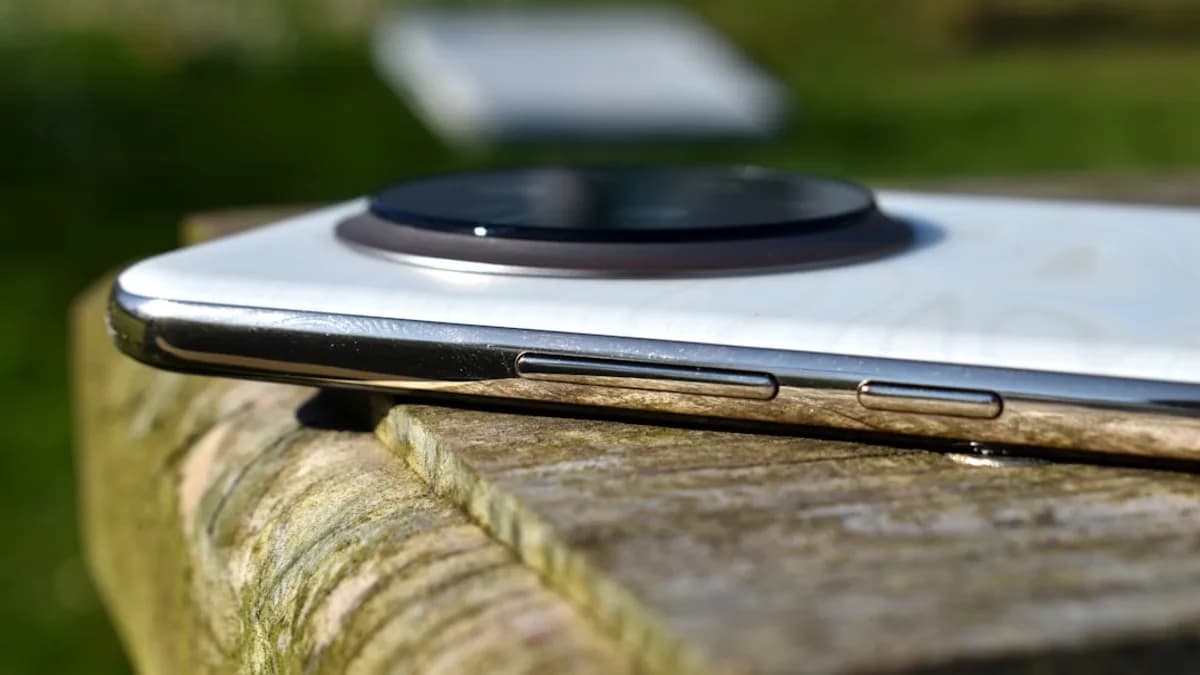
Pick up the Honor 600 and you’ll notice right away how much it looks like an iPhone. The edges are smooth and flat, just like the current iPhone models. The camera bump sits neatly on the back in a similar spot and shape. Even the placement of the buttons and the glossy glass finish feel familiar, almost as if Honor studied Apple’s playbook and followed it closely.
Honor calls this “familiar premium aesthetics,” and it’s working. Early users and reviewers say the phone feels expensive, even though the price is much lower than Apple’s top models. For example, the Honor 600 uses glass and metal for its body, not cheap plastic. That’s rare for phones in this price range. The Pro version steps things up with a slightly more refined finish and better camera module, but both phones share the same vibe: they look like you spent more.
This design choice does two things. First, it sends a clear message—Honor wants you to see their phones as equals to Apple and Samsung. Second, it gives people who love the iPhone look but don’t want to leave Android a way to have both. But there’s a risk: some buyers might wonder if Honor is only about copying, not creating. Still, in a world where many phones look similar, this strategy helps Honor stand out and makes the brand feel more premium, even though it’s new to some shoppers [Source: Google News].
Technical Specifications and Performance: Honor 600 vs. iPhone 17 Pro
Let’s get into the guts of the Honor 600 and 600 Pro. Both phones come with fast processors, big batteries, and sharp screens. The Honor 600 Pro, for example, packs a Snapdragon 8 Gen 2 chip, which gives you strong performance for gaming, streaming, and multitasking. The display is a 6.7-inch OLED panel with bright colors and smooth 120Hz refresh, great for scrolling and video.
Cameras are a big deal here. The Honor 600 Pro has a triple-lens setup, including a 108MP main sensor. That’s higher than the iPhone 17 Pro’s main camera, which is expected to stick with 48MP. The Honor also has a periscope zoom lens, letting you take clear pictures from far away—something Apple is only rumored to add in future models. Battery life is solid, with a 5,000mAh cell and fast charging that fills up most of the battery in under an hour.
Where does Honor beat the iPhone 17 Pro? Two key ways: camera resolution and charging speed. The Honor 600 Pro’s camera lets you capture more detail and zoom farther. Its fast charging is miles ahead of Apple, which still takes longer to fill up. If you value these features, Honor gives you more for less.
On the software side, you get Android 14 with Honor’s MagicOS skin. This means you can customize your phone, install any app, and use features like split-screen multitasking. Some users love Android for its flexibility compared to Apple’s closed system. Still, you’ll miss out on Apple-exclusive perks like iMessage or AirDrop.
Overall, the Honor 600 series gives you flagship-level specs at a price most people can afford. You won’t get the Apple logo, but you get a phone that matches or beats the iPhone 17 Pro in some ways. If you want a fast, pretty phone without paying $1,000+, Honor makes a strong case [Source: Google News].
Pricing and Market Strategy: Making Premium Features Accessible
Honor is pricing the 600 and 600 Pro to grab attention. In Europe, the Honor 600 starts under €500, and the Pro model is only about €700—much less than the €1,200 price tag on the iPhone 17 Pro or Samsung’s Galaxy S24 Ultra [Source: Google News]. This is a big deal for shoppers who want top features but can’t or won’t pay flagship prices.
Honor’s strategy is clear: give people the look and feel of a premium phone, but don’t break their wallet. This could pull buyers away from both Apple and Samsung, especially those who care about value and design. By focusing on the mid-range, Honor makes high-end features more accessible and could grow its market share fast.
Brands like Xiaomi and OnePlus have tried this before, but Honor’s close copy of Apple’s design gives it a fresh edge. If more buyers switch, Apple and Samsung might have to rethink how they price and design their phones. For now, Honor’s gamble is paying off—budget-conscious shoppers finally have a stylish, powerful option.
Consumer and Industry Implications: Is the Flagship Market Shifting?
Early reviews from tech critics and users are positive. People say the Honor 600 feels like a flagship, but without the sticker shock. One reviewer spent a week with the phone and wondered out loud why anyone would pay four figures for a flagship anymore [Source: Google News]. The camera, speed, and battery life are good enough for most, and the design is spot-on.
This matters because it shows a shift in what people expect from phones. For years, brands pushed prices higher by adding small upgrades. Now, buyers ask: “Do I really need to spend $1,200 for a phone?” Honor’s move could change how people shop, making value and design just as important as the logo.
For Apple and Samsung, this is a warning sign. If buyers get used to seeing “premium” phones at lower prices, high-end brands may lose some loyal fans. They might need to add more unique features or rethink pricing to stay ahead. We’ve seen this before: when Android phones started offering better screens and cameras, Apple had to catch up.
There’s also a bigger trend happening. Smartphones are starting to look similar. Flat edges, big screens, and camera bumps are now industry standards. This “design convergence” means brands must compete on price, features, and user experience—not just looks. Honor’s strong specs and lower prices make it easier for people to switch.
For shoppers, this is good news. You have more choices, and you don’t have to pay a fortune for a fancy phone. If Honor succeeds, other brands may follow. We could see flagship features trickle down to even cheaper models, making top tech more accessible than ever.
Conclusion: Honor 600 Series as a Game-Changer in the Android Flagship Landscape
Honor’s new 600 series blends iPhone-inspired looks with strong Android specs and fast charging—all at a price most people can afford. The phones prove you don’t need to spend four figures for a premium experience. By copying Apple’s design and beating it on some features, Honor is forcing everyone to rethink what a flagship phone should cost and offer.
If you want a stylish, powerful phone without paying Apple or Samsung prices, Honor gives you a real option. The launch may push other brands to make phones that look and feel expensive but cost less. As the market shifts, buyers get more power. Next time you’re shopping for a phone, keep an eye out—flagship style and power are getting easier to find.
Smartphone competition is heating up, and Honor’s move could spark a race to make premium features cheaper and more common. The winner? Anyone who wants a great phone without spending a paycheck [Source: Google News].
Why It Matters
- Honor is challenging premium brands by offering high-end design and features at lower prices.
- Consumers get more choices for flagship-quality phones without paying Apple-level prices.
- The move could shift expectations in the Android market about what affordable phones can look and feel like.