Dreame, Famous for Robot Vacuums, Shows Off Smartphones—But Are They Real?
Dreame, the company known for cleaning floors with robots, now says it wants to put a phone in your pocket. At its “Next” event in California this week, Dreame showed two new smartphones—its first ever. The thing is, no one is sure if these phones will actually go on sale, or if Dreame is just testing the waters. Both models were shown in China back in March, but you still can’t buy them anywhere. The company has only shared a few details, leaving many people scratching their heads about what Dreame is really planning [Source: The Verge].
Dreame’s Two Phones: A Modular Camera and Some Big Questions
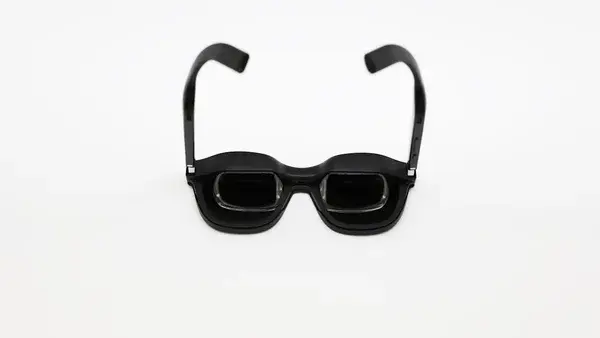
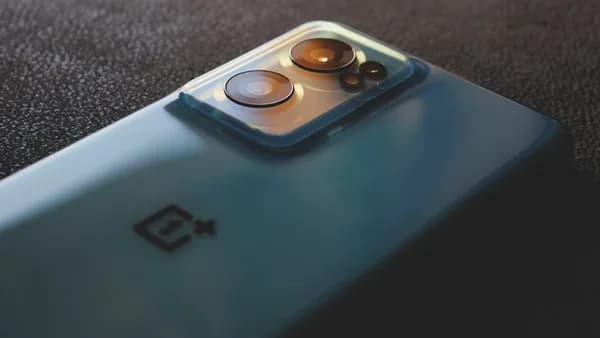
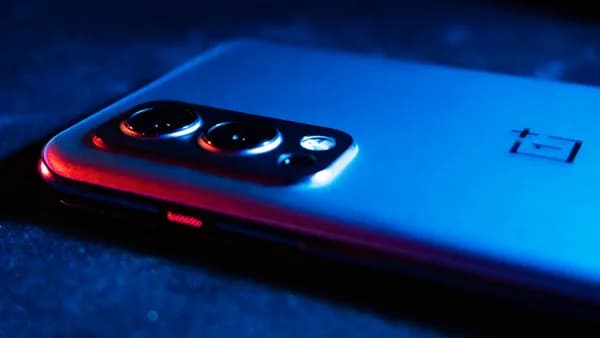
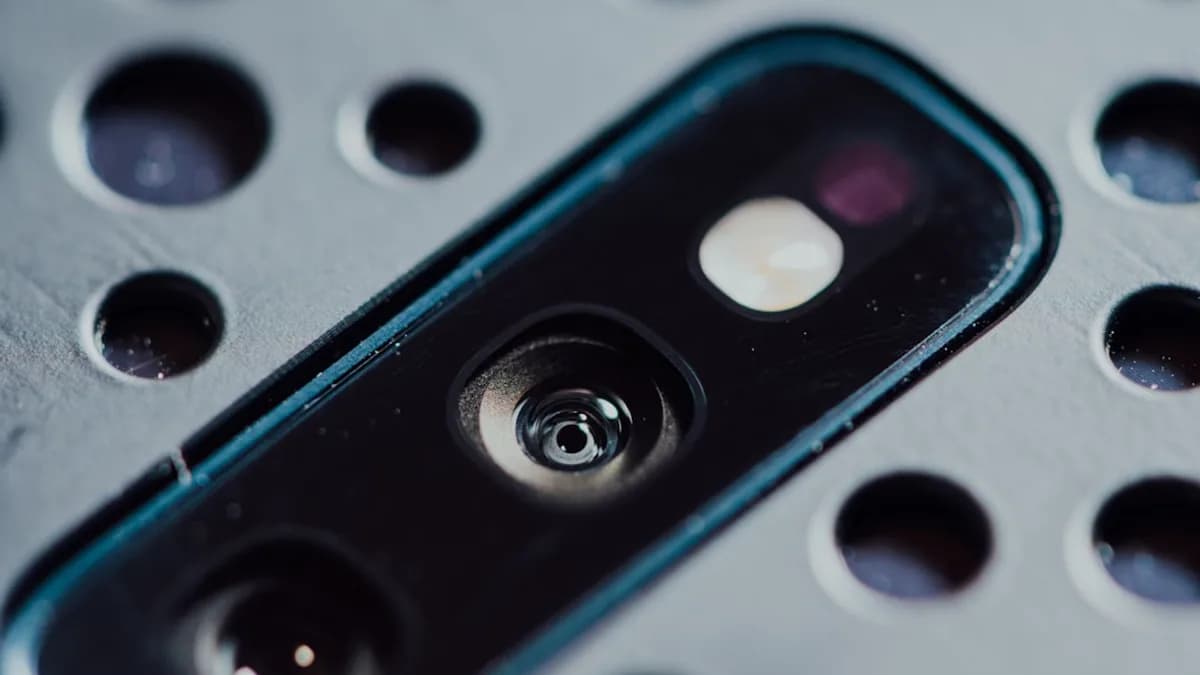
Dreame brought two phones to its California event: the Aurora Nex LS1 and the Aurora Lux. Of the two, the Aurora Nex LS1 stands out. It’s built to be modular, which means you can swap parts in and out. The most unusual feature is a magnetic spot on the back where the camera usually sits. Instead of a built-in camera, you attach different camera modules with magnets.
This idea isn’t new—Google tried something similar with Project Ara, and Motorola made Moto Mods. Both ran into problems. Still, Dreame thinks there’s room to try again.
Dreame hasn’t told us much about what’s inside these phones. There are almost no details about the processor, battery, screen, or camera specs. That’s unusual—most brands love to brag about numbers. Without these facts, it’s hard to compare Dreame’s phones to Apple, Samsung, or even smaller brands like Nothing. For example, companies usually shout about having the latest Snapdragon chip or a 120Hz display. Dreame didn’t do that.
Photos of the Aurora Lux show at least 29 different designs, but it’s not clear if these are real products or just ideas [Source: The Verge]. That leaves a lot unknown.
When you look at the rest of the market, Dreame’s phones seem mysterious and maybe unfinished. Most phones today focus on camera power, battery life, and screen quality. Dreame’s main selling point—the snap-on camera—could be handy for some people, but could also feel like a gimmick if the rest of the phone isn’t good.
Why People Are Skeptical About Dreame’s Smartphone Plans
Dreame has made its name in robot vacuums, not phones. Building a phone is much harder than making a vacuum. There are huge challenges: hardware is tricky, but software is even trickier. Dreame has no track record for running Android, building app stores, or pushing security updates.
These problems have tripped up even big names. Remember Essential, the company started by Android’s creator? It launched a phone with high hopes and failed within a couple years. Hardware is only part of the battle—users expect smooth software, regular updates, and a big app library. That’s why Apple and Samsung dominate.
Industry experts and tech fans are right to doubt Dreame’s ambitions. The company hasn’t shared a timeline for release. It hasn’t said which countries will get the phones. Without this information, it’s tough to trust that Dreame is serious about the phone business. There’s also the question of after-sales support. If a Dreame phone breaks, who will fix it? How long will software updates last? These are questions Dreame hasn’t answered.
On top of that, entering the US or Europe is harder than ever. Google, Samsung, and Apple have strong partnerships with carriers and stores. Dreame would start from scratch, fighting for shelf space and attention. Consumers have dozens of choices already—why pick an unknown?
Until Dreame gives real answers, many will see their smartphone project as a side show, not a serious move.
Dreame’s Bigger Plan: Why Jump Into Phones At All?
Why would a robot vacuum company want to make phones? Dreame seems to want more than a slice of the home-cleaning market. By moving into smartphones, it’s signaling a bigger goal: becoming a “full-stack” tech company.
Many Chinese brands have tried to branch out like this. Xiaomi, for example, started with phones and now sells everything from scooters to smart TVs. Dreame may hope to follow this path in reverse—using its reputation in home tech to cross-sell new devices.
There are some reasons this could make sense. Phones are at the center of the “smart home.” If you own a Dreame vacuum, Dreame wants you to control it from a Dreame phone, not an iPhone. This could let Dreame build a closed loop, keeping customers loyal across many products.
But this strategy is risky. If the phone flops, it could hurt Dreame’s brand. Consumers might wonder if Dreame is stretching itself too thin. Or they might worry that the company’s attention will shift away from making great vacuums.
There’s also a trend in tech toward owning “the whole experience”—hardware, software, and cloud services. Apple does this best. Dreame may hope to copy this, but it’s a big leap from vacuums to phones.
In the end, Dreame’s move is bold but risky. It could lift the brand, or it could end up as an expensive mistake.
Dreame Isn’t the First: How Other Brands Tried (and Often Struggled) to Make Phones
Dreame is not the first company to try jumping into phones from another industry. Some have succeeded, but most have not.
For example, Red, the camera company, launched the Hydrogen One phone with a “holographic” screen. It fizzled fast—too expensive, too buggy, and not enough apps. BlackBerry, originally famous for business phones, tried to reinvent itself with Android but lost out to iPhones and Galaxies. Palm, a pioneer in handhelds, couldn’t keep up when giants entered the smartphone race.
There are a few winners. Xiaomi started with phones but now makes air purifiers, scooters, and more. But the reverse—companies moving from home tech or other gadgets into phones—is rare and rarely works. Amazon’s Fire Phone is a classic case. Amazon is huge in e-commerce and devices like the Kindle, but its phone flopped hard, losing the company millions.
The lesson: building a phone is hard, even for brands with money and engineers. Consumers are picky. They want great cameras, long battery life, and smooth software. They also want updates and support for years.
When a company from outside phones tries to break in, buyers often see their products as a risk. Why choose a phone from a vacuum brand when you can get one from Apple or Samsung, who have been making phones for decades?
Dreame can learn from these missteps. If it wants to win, it needs a killer feature, great value, and strong support. Right now, it hasn’t shown any of these.
What’s Next for Dreame’s Smartphone Gamble?
Dreame’s phone announcement is a head-scratcher. The company is famous for robot vacuums, not gadgets you carry all day. It showed off two phones with a unique modular camera idea, but gave almost no details, no release date, and no price [Source: The Verge].
There are big challenges ahead: tough competition, high customer expectations, and little trust in a vacuum maker’s phone skills. If Dreame really wants to shake up the market, it will need to share more facts—and soon.
The tech world will watch to see if Dreame can turn a cool idea into real products. Will it be just a flash in the pan, or could Dreame surprise everyone? For now, keep your eyes on the company’s next steps. If Dreame can deliver, it might pull off something special. If not, its phones could end up as another “what if” story in tech.
Why It Matters
- Dreame is expanding from robot vacuums into the competitive smartphone market.
- The modular camera design could disrupt how smartphones are used and customized.
- Uncertainty around product details and availability raises questions about Dreame’s true intentions.