USB-C's Universal Takeover Makes 2-in-1 Cables a Must-Have
USB-C isn’t just the default—it’s now the expectation. In 2024, Apple finally caved and shipped the iPhone 15 with USB-C, Google’s Pixel line has been all-in for years, and Nintendo’s Switch 2 is rumored to push higher wattage charging. The result: almost every portable device you buy, from laptops to e-readers, runs on USB-C. The explosion of USB-C devices has created a new headache—charging them all without a tangled mess or a suitcase full of adapters.
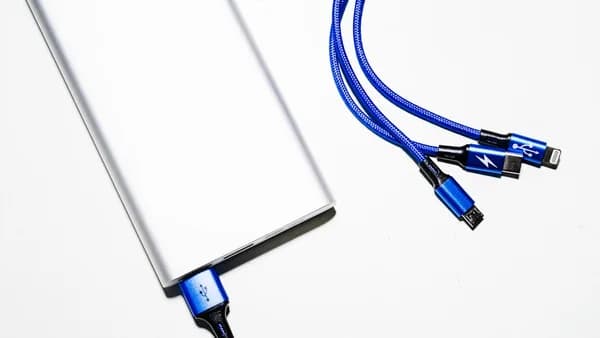
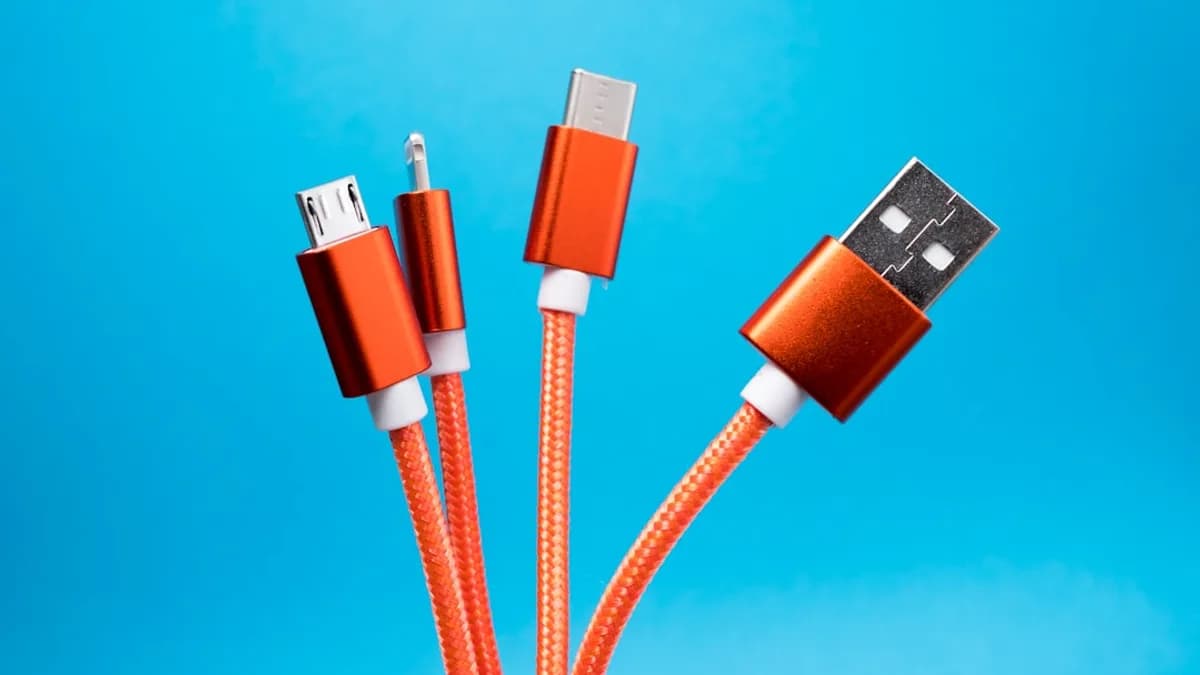
That’s where 2-in-1 USB-C cables come in. These splitters let you charge two devices from one port, slashing cable clutter and freeing up outlet space. It’s not just a convenience play; for anyone juggling work and personal devices, or traveling light, it’s a way to stay powered without sacrificing portability. The latest models, including Anker’s 140W braided cable and Native Union’s recycled Belt Cable, are now hitting their lowest prices ever, according to The Verge. For $15, you get a tool that fixes the most annoying part of modern tech—charging management.
In short: the 2-in-1 USB-C cable isn’t just a nifty accessory. It’s fast becoming the standard solution for anyone who owns more than one device.
140W Power and Smart Allocation: Anker's Technical Edge
Anker’s 140W 2-in-1 USB-C cable isn’t just about convenience; it’s a power play for high-demand devices. That 140W passthrough means you can juice up a MacBook Pro or a gaming laptop without bottlenecking speed, even while a second device draws power. Most consumer USB-C cables max out at 60W or 100W—Anker’s offering nearly doubles that, matching the latest USB Power Delivery standards. This matters: a 16-inch MacBook Pro requires up to 140W for full-speed charging. Plugging in a second device, say a Nintendo Switch, doesn’t slow down your laptop’s charge time.
But there’s a trade-off. Data transfer is capped at USB 2.0 speeds—480 Mbps. That’s fine for syncing e-books to a Kindle or backups to a phone, but it’s miles behind USB 3.2 (5-20 Gbps) or Thunderbolt 4 (40 Gbps). Only the first device plugged in can transfer data, so the second port is strictly for charging. For most users, this isn’t a dealbreaker. Charging speed trumps data speed for cables you toss in a bag.
Power allocation is where Anker’s cable gets clever. It automatically senses which device needs more wattage and routes power accordingly. If you plug in a MacBook Air and a Pixel 9 Pro, the laptop gets priority, ensuring both devices charge as fast as the wall adapter allows. This dynamic allocation isn’t universal—some splitters dumbly divide power in half, leaving both devices undercharged. Anker’s approach maximizes efficiency and minimizes frustration.
Price, Materials, and Length: Anker vs. Native Union
The price gap is real. Anker’s four-foot cable is $14.99, its six-foot variant is $17.99. Native Union’s 6.5-foot Belt Cable, made from recycled materials and featuring a vegan leather strap, is $23.99 (down from $29.99). That’s a $9 premium for 2.5 extra feet and eco-friendly credentials.
Design sets them apart. Anker’s braided cable is built for durability—braided nylon resists fraying and survives years of bends. Native Union bets on sustainability, using recycled plastics and animal-free leather; it’s pitched to buyers who care about environmental impact or just want a cable that looks sharp on a desk. The zebra-patterned version targets style-conscious consumers.
Length matters for power users. If you’re plugging devices across a conference table or need reach from a wall outlet, Native Union’s longer cable wins. For travel, Anker’s shorter, more compact option is easier to pack. Both cables support 140W charging and USB 2.0 data, so functionally, you’re choosing between price, looks, and environmental appeal.
Consumer reviews split along predictable lines. Anker gets nods for value and reliability—its cables are known to last. Native Union scores with buyers who want a cable that’s as sustainable as it is stylish. The market’s been clear: price wins for most, but there’s a growing niche for eco-friendly accessories.
Multi-Port Chargers: The Missing Link for Maximum Output
A cable’s only as good as its wall adapter. Anker’s own 140W four-port charger, now discounted to $79.99 for Prime members, is built to unlock the full potential of these 2-in-1 cables. With three USB-C ports and one USB-A, you can charge a laptop, phone, tablet, and headphones simultaneously. That’s a leap from the standard single-port bricks bundled with most devices.
Multi-port chargers are surging. Global shipments of GaN chargers (the tech behind high-wattage, compact adapters) jumped 45% last year, with Anker and UGREEN leading the charge. Consumers are trading up—one survey found 61% of buyers now prefer multi-port chargers, citing flexibility and speed as main drivers.
Pairing the right cable with a high-output charger means you’re not just splitting power—you’re multiplying it. Current deals, like Anker’s four-port adapter discounted by 20%, signal a crowded market. Competition is pushing prices down, making premium charging setups accessible for under $100.
Stakeholders Weigh In: Convenience vs. Innovation vs. Retail Strategy
Consumers are clear: they want fewer cables, faster charging, and prices that don’t sting. Amazon ratings for Anker’s 2-in-1 cable average 4.5 stars, with buyers citing reliability and the ability to ditch extra cords. Price sensitivity is high—sales and discounts drive spikes in demand, especially around tech holidays.
Manufacturers see opportunity and risk. Anker and Native Union are innovating on durability, sustainability, and power management. The 2-in-1 format is a hedge against single-device obsolescence—if one port dies, the cable isn’t a total loss. But brands face margin pressure; consumers balk at paying $30 for a cable when $15 gets the job done.
Retailers treat cables as loss leaders during sales events. Bundling cables with chargers, slashing prices for limited windows, and pushing eco-friendly models help drive traffic and upsell pricier accessories. Brick-and-mortar stores, hit by declining charger sales, are pivoting to “charging bundles” to boost average transaction value.
USB-C Charging's Journey: From One Device to Many
USB-C wasn’t always the king. The standard launched in 2014, promising reversible connectors and high-speed data. Early cables maxed out at 5W charging and 480 Mbps data—barely enough for a phone, let alone a laptop. As USB Power Delivery evolved, wattage jumped to 100W, then 140W, syncing with Apple, Dell, and Lenovo’s flagship devices.
The shift to multi-device charging tracks with device proliferation. In 2017, the average U.S. household had 5 portable devices. By 2023, that number hit 8, driven by smartwatches, tablets, and wireless earbuds. Manufacturers responded with cables that split power, adapters with multiple ports, and charging hubs.
Early splitters were clunky—power divided evenly, data often unavailable, and reliability spotty. Today’s 2-in-1 cables offer intelligent power allocation, rugged materials, and compact designs. The evolution wasn’t just technical; it was about responding to real-world charging pain points.
Charging Smarter: What 2-in-1 USB-C Cables Mean for Users and Industry
For tech users, the rise of 2-in-1 USB-C cables means less clutter, more portability, and fewer forgotten chargers. The ability to charge a MacBook and a phone from one port, with full-speed power, changes how people pack for work trips, manage desk setups, and even share chargers in public spaces.
Accessory makers are rethinking design. Expect more cables with dynamic power management, longer lengths, and eco-friendly materials. The industry is being pushed to standardize 140W charging and offer backward compatibility for older devices. USB-C is the glue, but cables are the connectors—those who solve for multi-device charging win market share.
To choose the right combo: match cable wattage to your highest-demand device (e.g., a MacBook Pro), then pair it with a charger that meets or exceeds that total output. Opt for braided or recycled materials for durability. Don’t overpay for length unless you need it.
Looking Ahead: Fast Charging, Smart Cables, and Sustainable Accessories
Next-gen 2-in-1 cables will go beyond power. Expect data transfer speeds to jump—USB 3.2 or even Thunderbolt 5 splitters could allow simultaneous charging and high-speed backups. Smart power management will get smarter, with cables able to “talk” to devices and wall adapters to optimize charging based on battery health and usage patterns.
Wireless charging integration is on the horizon. Imagine a cable that splits power between a phone and a wireless pad, charging both at max speed. AI-powered charging profiles could tailor wattage in real-time, extending battery lifespan.
Sustainability will shape the market. As e-waste concerns grow, brands will push recycled materials, modular designs, and repairable cables. Market growth is likely: forecasts suggest the global USB-C accessory market will hit $4.7 billion by 2026, up from $2.8 billion in 2023. The winners will be those who combine speed, versatility, and eco-conscious design.
Smart buyers will watch for cables that future-proof their charging setup—not just for today’s devices, but tomorrow’s. The $15 2-in-1 cable is a small buy, but it signals where charging tech is headed: faster, smarter, and greener.
Why It Matters
- The switch to USB-C across devices makes versatile charging solutions essential.
- Anker's 2-in-1 cable can charge high-demand devices like MacBook Pros at full speed while powering a second device.
- At $15, it addresses charging clutter and is competitively priced for its features.