Dell Launches Ultra-Light 13-Inch Pro 7 Series Laptop with Intel Panther Lake and 64 GB RAM
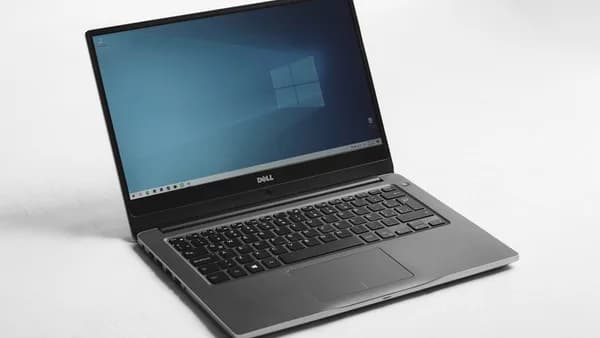
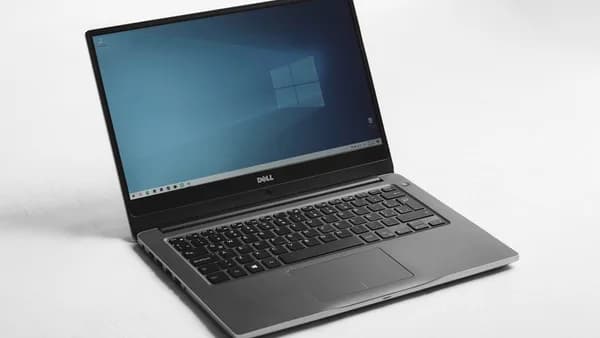
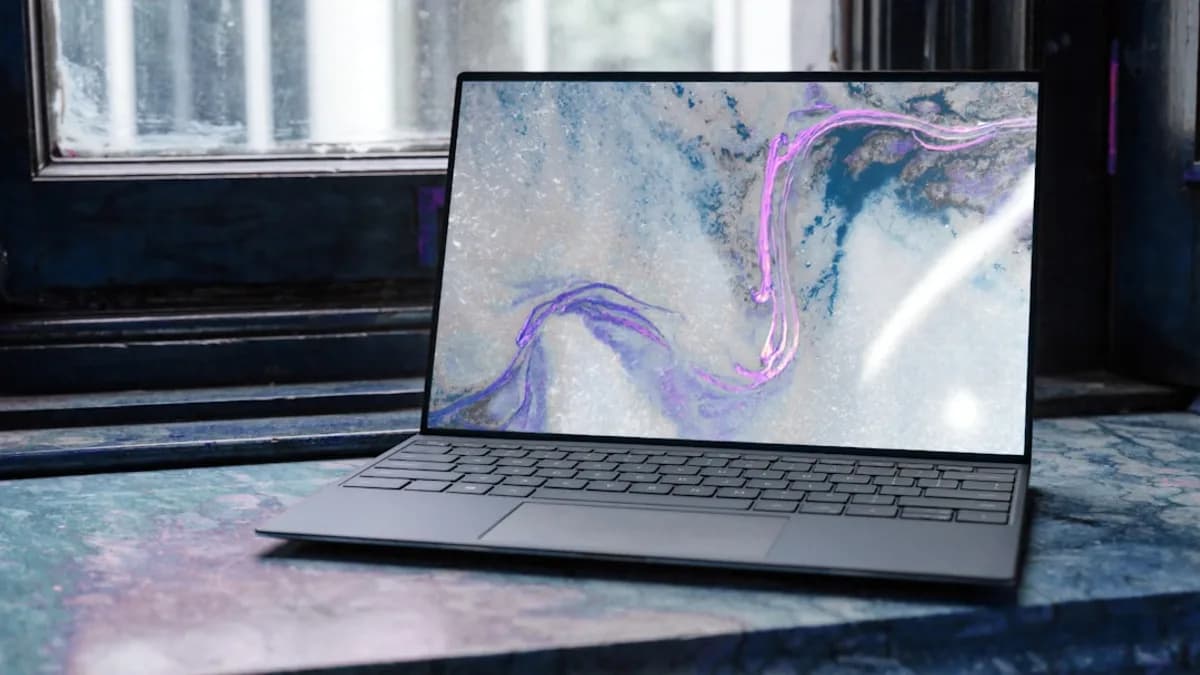
Dell just dropped its thinnest Pro laptop ever: the 13-inch Pro 7 Series (P713260), now available globally with up to 64 GB of LPDDR5X-8533 RAM and Intel’s next-gen Panther Lake processors. This release signals Dell’s push to reclaim ground in the premium ultraportable segment, where Apple’s MacBook Air and Lenovo’s ThinkPad X1 Carbon have set the pace for years. The laptop’s 55.8 Wh battery and sub-1 kg chassis are aimed squarely at professionals who demand power without bulk, according to Notebookcheck.
Dell isn’t chasing high-refresh displays this round: the Pro 7 Series ships only with 60 Hz IPS panels. That choice puts raw productivity and battery life over gaming or creative visuals—a clear signal that this model targets coders, execs, and analysts, not designers or streamers. The laptop’s launch comes as Intel Panther Lake CPUs begin hitting shelves, marking one of the first major OEM bets on the new architecture.
By offering up to 64 GB of ultra-fast RAM in a 13-inch form factor, Dell is banking on a niche but growing market: professionals running heavy local AI workloads, massive spreadsheets, or dev environments that chew through memory. Most rivals cap out at 32 GB in this size class. Early pricing and configurations vary by region, but the top spec will not come cheap.
Performance and Design Features Define Dell’s Latest Lightweight Laptop
That 55.8 Wh battery stands out for a laptop this thin, promising all-day productivity for real-world office tasks. While Dell hasn’t published official battery runtimes yet, similar-sized competitors—like the XPS 13 with a 51 Wh cell—manage 10-14 hours under mixed use. Expect the Pro 7 Series to rival or slightly exceed those numbers, thanks in part to Panther Lake’s focus on power efficiency.
The 60 Hz IPS panel is a calculated tradeoff. While it won’t wow with buttery scrolling or vibrant OLED colors, it should offer excellent viewing angles, solid color accuracy, and lower power draw—crucial for mobile professionals. Anyone hoping for 120 Hz or OLED will need to look elsewhere, at least for now. Dell’s insistence on IPS may also keep costs and thermal output in check, a persistent challenge as laptops get thinner.
Build quality sets the Pro 7 Series apart from Dell’s consumer lineup. Magnesium alloy construction keeps weight below 1 kg while meeting MIL-STD-810H standards for durability. Port selection remains limited—as with most ultra-thin laptops—but Dell includes Thunderbolt 4, USB-C, and a headphone jack, ticking the boxes for most pro workflows. Notably absent: legacy USB-A or SD card slots, which Dell and Apple have both largely abandoned in their thinnest designs.
Compared to last year’s Latitude 7330 or the XPS 13 Plus, the Pro 7 Series offers more memory and a larger battery in a lighter shell, but drops touch or 4K panel options. Against Lenovo’s X1 Carbon Gen 12, Dell undercuts on weight and maxes out RAM, but trails on display versatility. This is an unapologetic workhorse, not a jack-of-all-trades ultrabook.
What to Expect Next for Dell’s Pro 7 Series and the 13-Inch Laptop Market
Demand for high-RAM, ultra-light laptops is rising as AI coding, data analysis, and virtualized workspaces go mainstream. The Pro 7 Series 13 should attract developers, quant analysts, and IT leads who hit memory limits on typical ultraportables. For these users, 64 GB isn’t overkill—it’s a productivity multiplier. The lack of a high-refresh or OLED display won’t faze them, but could limit appeal to creative pros or anyone who values media consumption.
Dell’s bet on Panther Lake means future variants could quickly pivot as Intel refines the platform. Faster display options, improved webcam modules, or even ARM-based alternatives could arrive if initial sales validate the design direction. For now, the Pro 7’s conservative panel choice and pro-focused specs plant a flag: Dell wants to own the “business-class developer” niche.
Competitors will be watching closely—especially Lenovo, which leads the corporate market and has recently pushed its own ultra-light X1 Carbon with up to 64 GB RAM. Apple’s M3 MacBook Air remains the battery king, but can’t touch the Pro 7’s memory ceiling. HP and ASUS have yet to answer with a comparable sub-1 kg, high-RAM 13-inch device.
Buyers should scrutinize early reviews for real-world battery life, thermals under sustained loads, and any throttling issues with Panther Lake silicon in such a slim chassis. Availability will likely stagger by region, with enterprise channels getting first dibs. If Dell nails execution, expect rivals to scramble with their own high-memory, ultra-light launches by year’s end.
The Bottom Line
- Dell’s new Pro 7 Series offers unprecedented memory capacity in a thin 13-inch laptop, appealing to demanding professional users.
- The launch marks one of the first major adoptions of Intel’s new Panther Lake processors, signaling a shift in performance and efficiency.
- By targeting productivity and battery life over flashy features, Dell aims to reclaim its place in the premium ultraportable segment.