Why Huawei Mate 90 Pro Max’s Camera Specs Are Generating Excitement Among Smartphone Photographers
10x optical zoom in a smartphone isn’t just a spec—it’s a warning shot to every rival in the camera phone wars. Huawei’s Mate 90 Pro Max, slated for an October debut in China, is already causing a stir with rumors of a dual telephoto camera setup and a possible 1-inch sensor. The leak, surfaced via tipster Smart Pikachu and reported by Gsmarena, has photographers and tech obsessives dissecting every detail.
Huawei’s Mate series has long treated the camera as its battleground. Remember the Mate 40 Pro’s RYYB sensor, which forced competitors to rethink low-light performance? Or the Mate 80 Pro Max, which paired a quad-rear camera setup with ambitious zoom and ultra-wide capabilities? Each time, the company has used camera hardware as its headline.
This year, anticipation centers on whether Huawei can deliver true optical zoom beyond what’s been seen in the Samsung Galaxy S24 Ultra (which tops out at 5x optical) or Apple’s iPhone 15 Pro Max (5x optical, digital up to 25x). If Huawei’s rumored 10x optical zoom materializes, photographers won’t just get closer—they’ll get sharper, cleaner shots at distances where digital zoom typically fails. Add the possibility of a 1-inch sensor, and the Mate 90 Pro Max could shift expectations for what a phone camera can do, especially in low light or high-contrast scenes. The stakes are high, and every leak only fuels the fire.
What Are the Key Camera Features Leaked for the Huawei Mate 90 Pro Max?
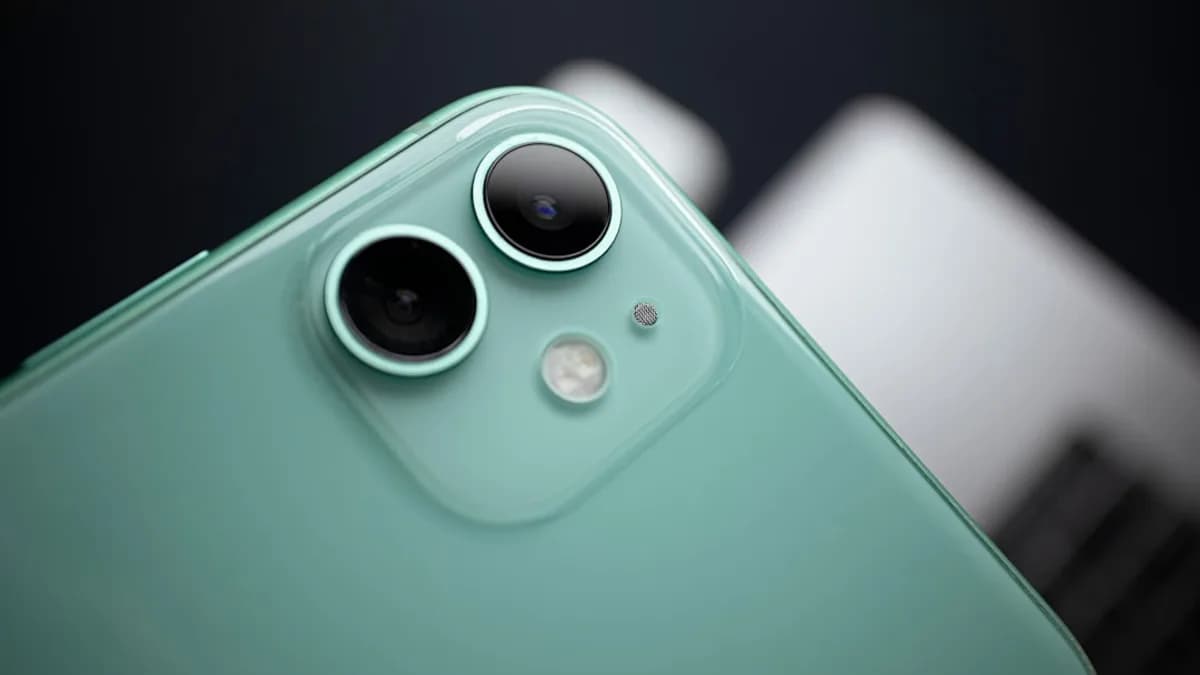
The headline grabber is the dual telephoto camera setup—one reportedly capable of 10x optical zoom, a jump from the Mate 80 Pro Max’s already impressive telephoto options. For context, most flagship phones offer a single telephoto lens with optical zoom between 3x and 5x. A dual telephoto array means two lenses optimized for different focal lengths, allowing the camera to switch seamlessly between moderate and extreme zoom without relying on digital cropping.
According to Gsmarena, this setup echoes Huawei’s previous approach but ups the ante on zoom. If the leak is accurate, the Mate 90 Pro Max would offer a 10x optical zoom lens alongside a secondary telephoto for lower-range zoom, providing flexibility for everything from street photography to wildlife shots. Samsung’s S24 Ultra, for comparison, uses dual telephoto lenses—one 3x, one 10x—but Huawei’s implementation could differ in sensor size or software processing.
The second major rumor is the potential inclusion of a 1-inch type sensor for the primary camera. Sensor size is the invisible engine behind image quality: larger sensors capture more light, reduce noise, and handle dynamic range better than the postage stamp-sized sensors common in most phones. A 1-inch sensor is a rarity, seen only in niche models like Sony’s Xperia Pro-I or the Xiaomi 13 Ultra. If Huawei adopts this sensor, it signals a move toward professional-grade imaging, especially in challenging conditions.
Taken together, the leaks suggest a camera system designed for versatility and quality. Dual telephoto lenses promise sharper zoom at all distances, while a 1-inch sensor could deliver DSLR-like performance in a phone. These aren’t incremental upgrades—they’re features that could redefine the upper tier of mobile photography.
How Does a Dual Telephoto Camera Setup Enhance Smartphone Photography?
Dual telephoto cameras aren’t just about stacking more lenses—they’re about choice and precision. Most smartphones offer a single telephoto lens, forcing users to rely on digital zoom for intermediate or extreme focal lengths. Digital zoom degrades image quality, introducing artifacts and blur that ruin otherwise sharp shots.
A dual telephoto setup solves this by providing two lenses, each dedicated to a specific optical zoom range. For example, a 3x lens might handle portraits and mid-range shots, while a 10x lens covers distant subjects like sports or wildlife. The camera software can switch between lenses based on user input or scene detection, ensuring optimal clarity at every zoom level.
The benefits go beyond zoom. Multiple telephoto lenses can improve autofocus speed, reduce distortion, and allow for advanced features like depth mapping or cinematic video zoom. In real-world scenarios, this means capturing a speaker on stage from the back of an auditorium, or photographing a bird from across a park, with images that remain crisp and detailed.
Samsung’s Galaxy S24 Ultra uses this approach, pairing a 3x and 10x telephoto for smooth transitions from close-up to far-off subjects. Huawei’s rumored implementation could push this further, especially if sensor sizes or optical stabilization are improved. For photographers, dual telephoto means fewer compromises and more creative control.
Why Is a 1-Inch Sensor a Game-Changer for Smartphone Cameras?
Sensor size is the single biggest factor separating smartphone cameras from DSLRs—and a 1-inch sensor is a leap few phones have made. Typical smartphone sensors measure around 1/1.3" or smaller, limiting light capture and dynamic range. A 1-inch sensor is almost double the surface area, letting in more light and preserving detail in shadows and highlights.
Why does this matter? Low-light performance, for starters. Larger sensors reduce noise, allowing for cleaner images at night or indoors. They also enable shallower depth of field, meaning portraits can have natural background blur without relying on software tricks. Dynamic range improves, so sunsets and cityscapes retain detail instead of blowing out highlights or crushing shadows.
The Xiaomi 13 Ultra’s 1-inch sensor set a new bar when it launched, earning praise for its color accuracy and sharpness. Sony’s Xperia Pro-I also uses a 1-inch sensor, targeting professionals and content creators. If Huawei adopts this sensor size for the Mate 90 Pro Max, it could deliver true flagship performance—images with richer detail, better contrast, and more flexibility for post-processing.
This isn’t just about specs; it’s a shift in how smartphone cameras compete. With a 1-inch sensor, Huawei could challenge not just other phones, but entry-level mirrorless cameras. For users, it means the gap between phone and dedicated camera shrinks, making the Mate 90 Pro Max a serious tool for travel, events, and creative work.
What Can We Learn from the Huawei Mate 80 Pro Max’s Camera Setup About the Mate 90 Pro Max?
The Mate 80 Pro Max set a high bar with its quad-rear camera system: a wide primary sensor, ultra-wide lens, telephoto for zoom, and a fourth sensor for depth or macro shots. Critics lauded its versatility—the ability to shoot landscapes, portraits, and distant subjects without missing a beat. The telephoto lens, though limited to 3.5x optical zoom, still outperformed many rivals in sharpness and color fidelity.
User feedback highlighted the Mate 80 Pro Max’s strengths in low-light and zoom, but also its compromises. Digital zoom at high magnification lost detail, and the sensor, while good, couldn’t match the dynamic range of larger professional cameras. Still, DxOMark scores and user reviews put it among the top performers in its class, with particular praise for its realistic color rendering and fast autofocus.
The leaked specs for the Mate 90 Pro Max suggest Huawei wants to eliminate these weaknesses. By adding a second telephoto lens and boosting optical zoom to 10x, they’re targeting the very scenarios where the Mate 80 Pro Max struggled. The rumored 1-inch sensor addresses dynamic range and low-light complaints, promising cleaner images in tough conditions.
If Huawei’s upgrades pan out, the Mate 90 Pro Max could move from “great for a phone” to “great, period.” That’s the difference between being a flagship and setting the standard. The Mate 80 Pro Max was a strong contender; the Mate 90 Pro Max, if leaks are accurate, is aiming to rewrite the playbook.
What Should Photographers Watch for as Huawei Mate 90 Pro Max Launch Approaches?
Every new leak raises expectations—and competition. If the Mate 90 Pro Max delivers dual telephoto lenses with 10x optical zoom and a 1-inch sensor, rivals like Samsung and Apple will face pressure to rethink their own camera strategies. Expect marketing battles around zoom quality, sensor size, and real-world performance, not just megapixel counts.
For photographers and content creators, the upcoming launch is more than a spec sheet. It’s a chance to see whether smartphone imaging can match—or beat—entry-level DSLRs for travel, events, and social media. Look for early reviews focusing on optical zoom sharpness, low-light image quality, and how the camera handles challenging scenes.
Watch for pricing and regional availability. Huawei’s flagship phones often debut in China before rolling out globally. Restrictions on Google services may affect usability outside Asia, but the camera hardware itself could influence industry trends worldwide.
The Mate 90 Pro Max’s rumored specs aren’t just numbers—they’re signals. If Huawei delivers, expect a new round of innovation from competitors. For users, the gap between smartphone and “real camera” is closing fast.
The Stakes
- Huawei’s rumored 10x optical zoom could redefine mobile photography, outpacing current flagship rivals.
- A dual telephoto setup may offer new creative options and improved image quality at multiple focal lengths.
- If true, a 1-inch sensor would set a new benchmark for low-light and high-detail performance in smartphones.