How Data Centers Are Pushing the Electric Grid to Its Limits
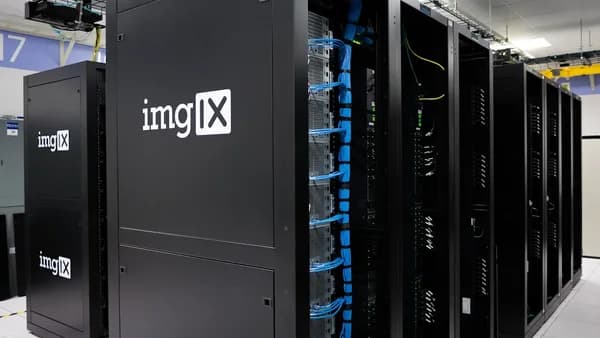
Data centers are not just consuming electricity—they’re distorting the grid’s future. In Northern Virginia, home to the world’s largest concentration of data centers, Dominion Energy expects demand to triple by 2030. Nationwide, hyperscale builds have triggered utility panic: Microsoft, Google, and Amazon collectively plan to add over 10 gigawatts of new capacity, enough to power the state of Massachusetts. These facilities often require hundreds of megawatts each, dwarfing local infrastructure and leading to project moratoriums. In Georgia, local governments have blocked new data centers after seeing residential bills spike 12% in a single year.
The backlash is political as much as technical. Lawmakers in Texas and Iowa have called for stricter permitting, worried about grid strain and emissions as some operators turn to new gas plants. The White House has ordered tech giants to “bring their own power” to future builds, implicitly rejecting old models of grid dependency. Utilities, meanwhile, face a dilemma: grid upgrades take years, costs run into billions, and every delay risks losing lucrative corporate clients to states with faster approvals.
This isn’t just a U.S. problem. In Ireland, Amazon’s Dublin data center expansion was blocked after regulators warned of blackouts. The Netherlands has imposed a freeze on new facilities. The world’s digital backbone is colliding with grid realities, and the old playbook—wait for utility upgrades, buy more power—is failing fast. The industry needs a new solution, and it needs it now, according to Fast Company Tech.
Redwood Materials’ Innovative Use of Second-Life EV Batteries to Revolutionize Energy Storage
Redwood Materials has turned the flood of used EV batteries into a lifeline for the grid. Instead of recycling these batteries immediately, Redwood repurposes them for grid-scale storage. The result: modular power stations that run on solar plus hundreds of second-life battery packs, slashing dependence on traditional electricity sources.
At its Nevada site, Crusoe’s data center operates entirely off-grid. Solar panels feed energy into containers stuffed with repurposed batteries—each one weatherized, software-controlled, and ready to buffer power swings. This setup isn’t just a feat of engineering; it’s a new economic model. Repurposing batteries cuts storage costs by half compared to buying new ones. Deployment is measured in weeks, not years, and doesn’t require utility approval or pricey interconnection studies.
Redwood’s design solves two core problems: how to make renewable energy stable, and how to unlock cheap, scalable storage fast enough for surging demand. There’s no dependence on global battery supply chains or new mining—Redwood taps an existing stream of used batteries from Tesla, Ford, Rivian, and others. When batteries finally reach true end-of-life, Redwood recycles their materials and closes the loop.
For data centers, this means they can build where they want, when they want, without waiting for the grid to catch up. For utilities, it means a ready-made storage solution that can absorb solar or wind output, release it when needed, and avoid peak pricing. The model isn’t just clever—it’s disruptively practical.
Quantifying the Energy Storage Boom and Redwood’s Market Dominance
The numbers are staggering. In 2023, the U.S. added 18.9 gigawatts of energy storage—up from just 3 GW in 2020—enough to supply instantaneous power to 20 million homes. California set a record when batteries supplied 43% of its grid’s power during peak hours. The U.S. Energy Information Administration projects battery storage will surge another 50% by 2027, driven by the dual tailwinds of renewable energy mandates and the data center buildout.
Redwood Materials sits at the heart of this boom. The company claims to control 90% of U.S. lithium-ion battery recycling—an unprecedented market share for any industrial segment. In 2024, Redwood produced as much lithium and cobalt from recycled batteries as the country’s largest mines. The company has raised $2.25 billion from investors including Goldman Sachs and Nvidia, and is on track to deploy gigawatt-hours of storage next year.
Competitors have faltered. Li-Cycle filed for bankruptcy in early 2025, hit by high costs and weak demand. Ascend Elements lost federal funding and collapsed a month later. Cirba Solutions, the legacy recycler, operates at a fraction of Redwood’s scale. Redwood’s pivot to grid storage has insulated it from slowing EV sales—grid storage now drives more demand for battery materials than the auto sector.
Economically, Redwood’s model unlocks value in batteries that would otherwise be waste. The U.S. imports most of its battery materials, making domestic recycling and repurposing a hedge against supply chain disruptions and price swings. The company’s Nevada and South Carolina sites are scaling up to match demand, with inventory ready to deploy nearly 3 GWh of storage—enough to power a city.
Diverse Stakeholder Perspectives on Battery Recycling and Off-Grid Energy Solutions
Data center developers are relieved: Redwood’s battery storage lets them skip utility delays and pursue 24/7 renewable power at a fraction of the cost. Crusoe’s off-grid Nevada facility is proof—built without waiting years for utility approval, powered by solar and batteries that would have been scrapped.
Utilities, initially skeptical, now see batteries as essential. As renewables supply more of the grid, storage is the missing piece. Early resistance has melted away as battery costs dropped and grid-scale deployments proved reliable. Utilities now tour Redwood’s sites, asking not if the system works, but if there’s enough battery supply to scale.
Investors are betting big, largely due to JB Straubel’s track record. Breakthrough Energy Ventures, Bill Gates’ fund, backed Redwood early, seeing both material scarcity and leadership as key. Straubel’s “engineer’s engineer” reputation is a magnet: he builds what the market needs before it knows it needs it. That’s why Redwood has survived market whiplash that bankrupted rivals.
Learning from History: JB Straubel’s Pioneering Role in EVs, Batteries, and Energy Storage
Straubel’s career is a blueprint for spotting industry inflection points. At Tesla, he pushed for lithium-ion batteries when most automakers clung to nickel-metal hydride. He championed the Supercharger network, giving Tesla a competitive edge, and built the company’s first battery factories—ideas that were dismissed as too costly or impractical at the time.
The skepticism he faced at Tesla mirrors early doubts about battery recycling and grid storage. Investors called Redwood a “garbage company,” missing the strategic value. Automakers didn’t see the looming mountain of battery waste or the material supply crunch. Yet Straubel’s grasp of technical detail—and his aversion to waste—created a recycling business that now controls the U.S. market.
History shows that the winners are those who spot the secondary effects: Straubel’s bet on second-life batteries is the latest in a series of moves that turned industry skepticism into dominance. Redwood’s innovation culture is built on this playbook: start early, build the infrastructure, and scale before the market realizes it needs you.
What Redwood’s Breakthrough Means for the Future of Energy Infrastructure and Sustainability
Redwood’s approach could upend the raw materials game. Mining lithium and cobalt is slow, expensive, and environmentally fraught. Urban mining—extracting these materials from recycled batteries—offers a domestic, lower-carbon alternative. By repurposing batteries before recycling, Redwood extends their life and reduces waste.
For data centers and factories, the ability to tap cheap, modular storage means 24/7 renewable power is within reach. Rivian’s Illinois factory, for example, will use its own used batteries to store wind and solar output, cutting electric bills and emissions. This isn’t theoretical: Redwood’s systems are already live, buffering power swings and stabilizing local grids.
Grid stability gets a boost, too. Batteries can absorb excess solar during the day, release it at night, and smooth out demand spikes—a crucial function as more renewables come online. Emissions drop, since fewer gas plants are needed to meet peak demand. Energy costs can be managed by storing power when it’s cheapest and releasing it during price spikes. For utilities and data center developers, the financial case is now as strong as the environmental one.
Forecasting the Next Decade: How Second-Life Batteries Could Transform the Energy Landscape by 2030
By 2030, Redwood estimates that second-life batteries could supply more than half of the U.S. energy storage market. That’s not just a sustainability win—it’s a strategic shift away from dependence on new battery manufacturing and imported materials. The supply of used EV batteries is set to balloon: with 19 million EVs on U.S. roads by 2030, even conservative estimates suggest tens of gigawatt-hours of batteries will come available annually.
Challenges remain. Redwood must scale processing and repurposing by 10x to meet current demand, a logistical feat complicated by market volatility and commodity price swings. Layoffs in 2024 signal that rapid growth isn’t painless. But Straubel’s leadership—hands-on, technically immersed, and relentless—has insulated Redwood from the fate of rivals.
Expect the next decade to see second-life batteries become a default option for energy storage, not a niche experiment. The data center surge will force utilities to embrace modular, off-grid solutions. Factories and commercial sites will follow, driven by cost and regulatory pressure. If Redwood maintains its dominance, it will set the blueprint for how America—and eventually the world—builds sustainable, resilient energy infrastructure. The lesson: don’t wait for the grid to catch up. Build your own, powered by yesterday’s batteries and tomorrow’s vision.
Impact Analysis
- Explosive growth in data center demand is straining electric grids and raising consumer bills.
- Regulatory pushback and moratoriums are reshaping how tech giants build and power their infrastructure.
- Innovative solutions like second-life battery systems may transform energy storage and grid stability worldwide.