Podcast apps are supposed to be solved software; Brink argues the unsolved part is everything around the play button.
The indie iOS app, featured by 9to5Mac , is not pitching itself as a cleaner clone of the default podcast experience. It is bundling news, AI summaries, AI transcripts, trending podcast discovery, AI playlists, notes, bookmarks, and Apple Health tie-ins into one iPhone-first package.
That matters because Brink’s bet is clear: heavy podcast listeners do not just need playback. They need triage. They need to know what is worth hearing, what they already heard, what matters inside a long episode, and what connects to the news around it.
Brink turns podcast listening into an active feed, not a passive queue
The old assumption around podcast apps is simple: subscribe, download, play. Brink’s feature list pushes against that. It treats podcasts less like static audio files and more like a live information product.
According to 9to5Mac, Brink includes a news tab, podcast summaries, trending podcasts, AI playlists, and support for iOS 26 and Liquid Glass. The App Store listing describes it as “Podcasts & News, in one place,” with discovery, playback, headlines, and a modern interface wrapped together.
That combination is the point. A listener does not have to jump between a podcast app, a news feed, a notes app, and a fitness tracker. Brink tries to collapse those adjacent behaviors into the listening session itself.
“Brink is a podcast player and news app for people who want discovery, playback, and headlines in one place, wrapped in a modern Liquid Glass design.”
MLXIO analysis: the most interesting part is not any single feature. It is the bundling strategy. Brink is acting as if the podcast app should become a context layer around audio, not just a player.
The feature stack is built for people who listen too much to manage manually
Brink’s strongest pitch is aimed at power users: people with crowded queues, too many subscriptions, and too little time to sample every episode.
The app includes:
- AI transcripts and chapters: The App Store context supports AI-generated transcripts and chapters for episodes.
- Summaries: Episode summaries designed to help users scan before committing time.
- Bookmarks and notes: Users can create timestamped bookmarks and take notes while listening.
- News: Brink includes news features and latest headlines alongside podcast listening.
- Discovery tools: Trending podcasts, AI playlists, and mood- or interest-based listening flows help users find what to hear next.
- Listening shortcuts: AI-assisted organization can reduce the time spent sampling a crowded queue.
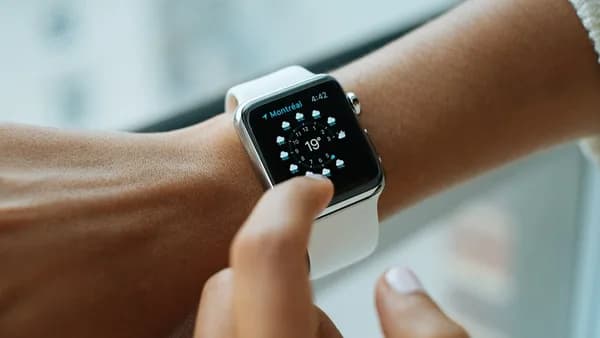
- Apple Health integration: Walking mode can connect listening with fitness context, including calories burned.
That is a dense product for an indie app. Some features are organizational. Some are discovery tools. Some are AI-assisted shortcuts. Some are simply iOS-native polish.
The practical gain is time. Summaries and transcripts can reduce the cost of checking whether a long episode is worth playing. Bookmarks and notes turn listening into a reference activity. News features give the audio a wider frame without forcing a separate search.
For Apple software watchers, Brink also lands in a broader cycle of iOS interface and app changes. MLXIO has been tracking adjacent platform shifts in iOS 27 Apps Grab Spotlight as Beats Firmware Fix Lands and iOS 27 Bets on Fixing Your iPhone Before AI Takes Over. Brink’s own pitch is more immediate: make the podcast app feel native to the current iPhone, not like an old queue manager with AI bolted on.
Brink’s App Store numbers show a small app moving fast
The App Store listing adds useful texture. Brink: Podcasts and News is listed as a free app with in-app purchases, designed for iPad, and available for iPhone, iPad, and Apple Watch. It carries a 4.6 out of 5 rating from 16 Ratings.
That is not enough review volume to prove broad traction. It is enough to show early users are leaving positive signals.
| App Store detail | Brink listing |
|---|---|
| Developer | Gowtham Oleti |
| Category | News |
| Age rating | 13+ Years |
| Size | 69.3 MB |
| Rating | 4.6 out of 5 |
| Ratings count | 16 Ratings |
| Device support | iPhone, iPad, Apple Watch |
| Language | EN + 5 More |
The pricing model is less clear from the supplied app context. Brink is listed as a free app with in-app purchases, but the provided source material does not verify specific Brink Plus price tiers.
That pricing structure still creates a sharp test. Free podcast apps set user expectations at zero. Brink has to convince listeners that summaries, AI playlists, transcripts, news context, and native design are worth paying for. Without verified tier details, the exact paid-value split remains unclear.
Liquid Glass is not just decoration if it improves daily use
Brink is described by 9to5Mac as “well made for iOS 26 and Liquid Glass,” and the App Store listing repeatedly leans into a modern, fluid design. That may sound cosmetic. For podcast apps, it can be more than that.
Podcast listening is repetitive software behavior. Users open the app often, scan lists quickly, jump between queues, search, save, skip, and resume. A clumsy interface compounds friction every day. A polished iOS-native design can make advanced features feel less heavy.
The recent version history also points to active development. The App Store context shows updates around UI enhancements and bug fixes, smart download fixes, improved UI and animations, and broader iOS-related polish.
MLXIO analysis: for an indie utility app, velocity matters. A feature-rich app can become bloated fast. Brink’s next challenge is keeping the interface calm while its toolset expands.
The benefits split differently for listeners, creators, and the developer
For listeners, Brink’s value proposition is direct: spend less time sorting and more time listening. AI summaries, transcripts, recommendations, and news links can make long-form audio easier to handle.
For podcasters, the picture is more mixed. Better discovery surfaces and trending views could help shows get found. But AI-generated summaries also introduce a representation problem. If listeners judge an episode from a summary alone, the quality of that AI layer starts to matter. The source does not say how Brink handles creator controls, correction flows, or summary accuracy.
For the developer, the opportunity is focus. Brink does not need to be the default podcast app for everyone. It needs to be useful enough for serious listeners to keep it in their dock and, for some, pay for Brink Plus.
The risk is cost and complexity. AI transcription, cloud processing, cross-device sync, Apple Watch support, iPad layouts, and news aggregation all create maintenance demands. The App Store listing shows frequent updates, but it does not disclose usage scale, AI costs, privacy controls, or retention.
Brink’s next test is habit, not feature count
Brink already has the checklist: AI playlists, summaries, transcripts, bookmarks, notes, news, trending discovery, Apple Health, iPad, and Apple Watch. The harder test is whether those features become routine.
The evidence to watch is practical:
- Retention signals: Do users keep returning after the novelty of AI summaries fades?
- Paid conversion: Does Brink Plus make sense once users understand what is free and what is paid?
- Recommendation quality: Do AI playlists save time, or do they create another feed to manage?
- Transcript accuracy: Do summaries and chapters earn trust over repeated listening?
- Device behavior: Does the Apple Watch and iPad support make Brink feel coherent across daily use?
- CarPlay demand: One App Store reviewer specifically said they “would love to see a great CarPlay interface.”
Brink’s opportunity is to prove that iPhone podcast listening can feel modern again: curated, contextual, and native. The watch item is whether users treat its AI layer as a daily listening tool — or just another clever feature they try once and forget.
Key Takeaways
- Brink targets heavy podcast listeners who need help deciding what is worth hearing.
- AI summaries, transcripts, and playlists could make long-form audio easier to scan and organize.
- The app reflects a broader shift from simple playback tools toward context-rich media platforms.