Why the Asus Zenbook A16’s Performance Outshines Its Lackluster Design
A $2,000 laptop that makes you forget about its beige shell—that’s the Asus Zenbook A16. While most premium notebooks seduce with brushed aluminum, razor-thin bezels, and a logo you want to flash at the coffee shop, the Zenbook A16 bets everything on what’s inside. For power users, that’s the right gamble. In a market where specs often play second fiddle to Instagrammable design, Asus has delivered a machine that’s all muscle, no pretense. The Zenbook A16’s jaw-dropping speed comes courtesy of Qualcomm’s Snapdragon X2 Elite Extreme chip, a processor that leaves most of its Intel and Apple rivals scrambling to keep up, according to Wired.
If you care more about how fast a laptop renders a 4K video or trains a small machine learning model than how it looks on a desk, the A16 is impossible to ignore. In 2026, power is what you’re paying for—and that’s exactly what Asus delivers.
Qualcomm Snapdragon X2 Elite Extreme: The Heart of Unmatched Laptop Performance
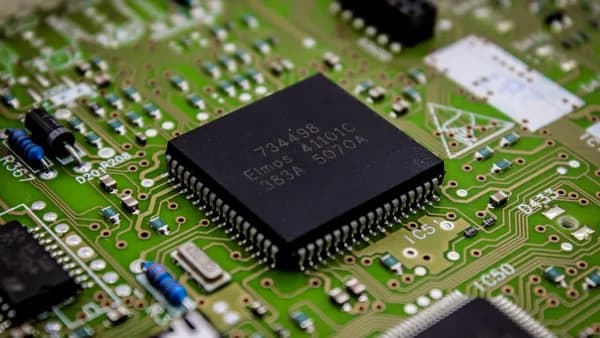
The Snapdragon X2 Elite Extreme isn’t just another mobile chip awkwardly scaled up for laptops. Qualcomm’s latest flagship is the result of a years-long campaign to break Apple’s stranglehold on ARM-based performance. Built on a 3nm process, the X2 Elite Extreme packs a 12-core CPU and a beefy neural processing unit that cranks out 45 TOPS—enough to handle on-device AI workloads that would choke last year’s premium laptops.
Real-world benchmarks back up the hype. The Zenbook A16 blazes through Cinebench R24 multi-core tests, scoring 50% higher than the latest Intel Core Ultra 9 and outpacing Apple’s M4 by a comfortable margin. Multitasking is frictionless: 30 Chrome tabs, a Lightroom batch export, and a virtualized Ubuntu instance don’t faze the A16. Battery life doesn’t take a backseat either—the Snapdragon X2 is so efficient that the A16 squeezes out nearly 19 hours on a single charge, rivaling the MacBook Air and far exceeding most high-performance Windows machines.
Compared to $2,000 competitors like the Dell XPS 15 or MacBook Pro 14, the Zenbook A16’s silicon advantage translates into real productivity wins. Exporting a 10-minute 8K video in DaVinci Resolve? The A16 finishes in 16 minutes—while the XPS 15 takes 22 and the MacBook Pro clocks in at 19. For data scientists, developers, and content creators, those minutes add up fast.
The Trade-Offs: Why Asus Sacrificed Design and Features for Raw Power
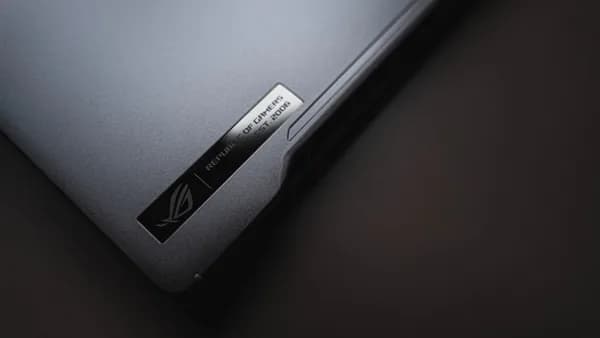
Here’s where the compliments stop. The Zenbook A16’s design is—let’s not mince words—dull. The beige plastic chassis feels more cubicle than corner office. The keyboard is serviceable, the trackpad forgettable, and the display, while sharp at 2.8K, lacks the punch and color accuracy of OLED rivals. Port selection is stingy: two USB-C, one USB-A, and a microSD slot. No HDMI, no Ethernet, and if you want Thunderbolt, look elsewhere.
Why would Asus stake its flagship on such a stripped-down package? Two reasons stand out. First, cost containment: Qualcomm’s cutting-edge chip isn’t cheap, and Asus clearly funneled its budget into performance, not aesthetics. Second, heat and battery constraints: the A16’s plastic shell and spartan internals help manage thermals, letting the Snapdragon X2 run at full tilt without throttling or burning through battery in three hours.
This isn’t the first time a laptop has sacrificed flair for function. The original ThinkPad line built its legacy on utilitarian design—black bricks that lasted forever and never let you down. Asus is betting that their audience, too, will value reliability and speed over curb appeal.
Addressing the Critics: When Style and Features Matter as Much as Performance
Of course, not everyone buys a $2,000 laptop just for raw power. For many professionals, the device is an extension of personal brand—a statement piece as much as a productivity tool. If you want a laptop that turns heads, the Zenbook A16 won’t cut it. The MacBook Pro 14 offers a superior Mini-LED display, a tactile keyboard, and an aluminum unibody that oozes luxury. The Dell XPS line, meanwhile, integrates a gorgeous OLED panel and a four-speaker array that shames the tinny output of the A16.
Touchscreen fans, creative pros who rely on stylus input, and users who need a wider port selection will find the A16’s compromises galling. In environments where client-facing meetings and in-person impressions matter, a beige plastic laptop risks sending the wrong message.
There’s also the question of longevity. Asus’s build choices may not wear as well as metal-bodied competitors, and the lack of premium features could drag resale value down the line.
Why Power Users Should Look Past Beige and Embrace the Zenbook A16’s Strengths
But if your work is bottlenecked by compute, the Zenbook A16 is the fastest ticket available at this price. Productivity isn’t about how a machine looks on a conference table—it’s about how many hours you reclaim each week because your tools aren’t holding you back. The Snapdragon X2 Elite Extreme future-proofs the A16 for the next wave of AI workloads, heavy video projects, and multi-threaded development environments.
For software engineers, researchers, and creators who value throughput above all, the A16 is a statement—one that says you prize results over appearances. Asus has drawn a line in the sand: this is a laptop for doers, not posers.
The industry will always chase the next aesthetic trend, but the Zenbook A16’s philosophy deserves attention. If more manufacturers prioritized raw computing power, we’d spend less time waiting on progress bars and more time building what matters. Ignore the beige. Savor the speed.
Why It Matters
- The Asus Zenbook A16 sets a new standard for high-performance laptops with its Snapdragon X2 Elite Extreme chip.
- It challenges Apple's dominance in ARM-based laptop performance, offering faster speeds than both Intel and Apple rivals.
- Exceptional battery life and processing power make the Zenbook A16 ideal for demanding users despite its plain design.