Why Apple Watch Series 12 Skips the Anticipated Feature Amid DRAM Shortage
Apple is pushing battery life and sensor technology forward in the next Watch, but a hotly anticipated feature is once again off the table. According to Notebookcheck, the Series 12 Apple Watch will ship with a larger battery and more advanced sensors, while the long-awaited upgrade remains on hold. The reason: Apple is cutting costs in direct response to the ongoing DRAM crisis.
This signals a hard reset on priorities inside Cupertino. When supply chains tighten, Apple’s playbook is clear—protect core performance and health-tracking capabilities, even if it means shelving headline-grabbing features. The move underlines how the global DRAM shortage isn’t just a supply chain headache but a gatekeeper for innovation. Features that require significant new components, or drive up bill-of-materials costs, are now second to battery and sensor gains.
Quantifying the Trade-Offs: Battery Life and Sensor Enhancements Versus Missing Features
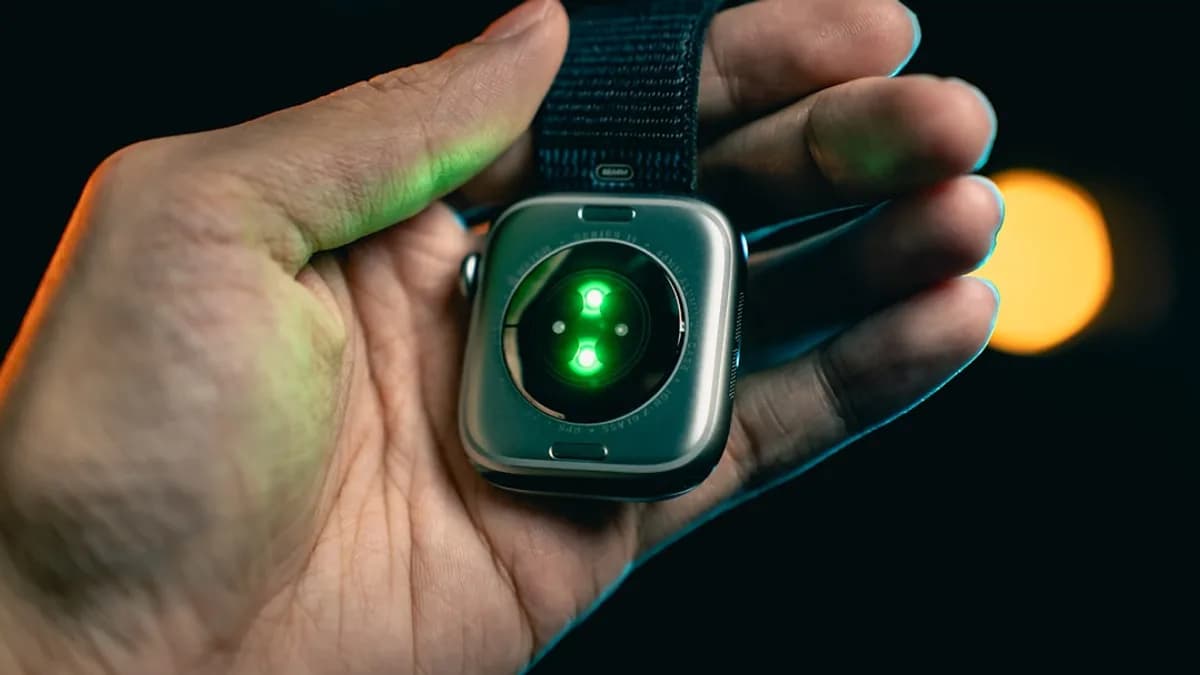
The Series 12’s main hardware improvements are a larger battery and sensors that push further into health and fitness territory. While Notebookcheck doesn’t specify exact specs or the nature of the delayed feature, it’s clear that Apple’s engineering focus has shifted to what can be delivered reliably within tighter cost constraints.
The DRAM shortage isn’t just an abstract market force; it directly impacts what Apple can afford to include. DRAM prices have spiked and availability is tight, driving up costs for any component that relies on memory. Apple’s decision to prioritize battery and sensors over the missing upgrade likely reflects a hard numbers game. The company is betting that longer battery life and better sensors will keep the Series 12 competitive—even if it means fans of the unannounced feature will have to keep waiting.
MLXIO analysis: Apple’s trade-off here is classic risk management. Battery and sensors are visible, day-one benefits for all users, while the delayed feature—whatever its specifics—may have been a differentiator but not a necessity for the core experience.
Diverse Stakeholder Reactions: What We Know and What Remains Unclear
Notebookcheck’s brief doesn’t cover consumer or analyst reactions directly, and Apple has not officially commented on the feature delay. What’s clear is that product development timelines are now at the mercy of supply chain volatility. Consumers who track rumors and leaks will likely recognize the absence, but Apple’s track record suggests they’ll target mass-market reliability over niche upgrades when forced to choose.
What is still unclear is the identity of the missing feature and just how much its absence will impact Series 12’s appeal. Without details, it’s impossible to gauge whether this is a minor setback or a more fundamental limitation for the platform.
Tracing Apple Watch’s Evolution: Supply Constraints and Feature Timing
Apple has a history of phasing in upgrades based on what the supply chain can support. Notebookcheck’s reporting fits a familiar pattern: when external pressures mount—whether from component shortages or escalating costs—Apple chooses to delay rather than compromise on quality or profitability. The result is a smoother roll-out of must-have features, but it also means headline capabilities can slip by a generation or more.
MLXIO analysis: This approach avoids overpromising and underdelivering, but it can frustrate early adopters. For Apple, the calculation is simple: better to skip a cycle than to overextend in a supply crunch.
What the Series 12 Decisions Signal for Wearable Tech
The current situation reinforces Apple’s priorities. When forced to choose, the company will enhance fundamental battery and sensor performance rather than gamble on unproven or expensive new features. For consumers, this means the Series 12 will be an incremental update focused on everyday reliability.
The missing feature—whatever it is—now stands as a test case for how much patience the Apple Watch audience has for iterative progress. Apple’s rivals and the broader wearable market will be watching to see if users care more about battery life or the wait for breakthrough innovation.
What to Watch: When the Delayed Feature Might Arrive
Apple’s roadmap for the omitted feature remains opaque. As long as DRAM pricing and availability remain unsettled, there’s no guarantee the upgrade will land in the next generation. The timeline hinges on supply normalization and internal cost-benefit math. If component pressures ease, Apple could move quickly to bring the feature forward—even as a mid-cycle update. If not, delays could stretch further.
Bottom line: Watch for signals about DRAM market recovery and Apple’s sourcing strategies. The speed of Apple’s response will reveal how flexible its product planning remains under pressure—and how much it’s willing to invest to regain its innovation tempo.
Impact Analysis
- Apple's decision to skip a major new feature in the Series 12 Watch highlights how global supply chain issues can shape product development.
- A focus on battery and sensor improvements shows Apple's strategy to deliver core value during times of component shortages.
- Consumers and competitors alike will watch how Apple adapts to DRAM shortages, potentially signaling broader industry trends.