MLXIO
A laptop computer sitting on top of a white table
TechnologyMay 11, 2026· 3 min read· By MLXIO Publisher Team

Apple Sparks Security by Updating Old iOS, iPadOS, macOS Versions

Share

MLXIO Intelligence

Analysis Snapshot

72
High Impact
Confidence: MediumTrend: 10Freshness: 99Source Trust: 100Factual Grounding: 92Signal Cluster: 20

High MLXIO Impact based on trend velocity, freshness, source trust, and factual grounding.

Thesis

Apple has released updates for both its latest and older versions of iOS, iPadOS, and macOS, signaling ongoing support for legacy devices.

Evidence

  • Apple shipped its 26.5 software lineup, including iOS, iPadOS, and macOS updates.
  • The company also released patches for older system versions such as iOS 18.7.9.
  • This approach ensures users of older devices receive critical fixes and improvements.
  • Apple has not detailed which specific issues these legacy updates address.

Uncertainty

  • The exact contents and vulnerabilities addressed by the legacy updates are not yet disclosed.
  • Apple has not committed to a fixed schedule for ongoing support of older operating systems.

What To Watch

  • Release of technical documentation or detailed release notes for legacy updates.
  • Apple's future announcements regarding support timelines for older OS versions.
  • Emergence of incremental patches or hotfixes following the 26.5 rollout.

Verified Claims

Apple released updates for both its latest and older versions of iOS, iPadOS, and macOS.
Evidence: Apple dropped its 26.5 software suite today, rolling out fresh updates for iOS, iPadOS, and macOS—while quietly shipping patches for older system versions, too. · Confidence: High
Updates for older operating systems like iOS 18.7.9 help maintain device security and longevity.
Evidence: Apple’s decision to patch older platforms like iOS 18.7.9 stands out, reinforcing its reputation for maintaining device longevity and user trust. · Confidence: High
Apple has not specified which issues are addressed in the legacy updates such as iOS 18.7.9.
Evidence: Apple hasn’t detailed exactly which issues these legacy updates address. The company’s standard practice is to publish release notes, but specifics on the contents of updates like iOS 18.7.9 remain under wraps in the initial rollout coverage. · Confidence: Medium
Apple's ongoing support for older devices reduces the need for users to upgrade hardware solely for security reasons.
Evidence: By continuing to issue updates for legacy software, Apple minimizes attack surfaces across its massive install base. This reduces the urgency for users to upgrade hardware solely for security. · Confidence: High
The timeline for continued support of older operating systems by Apple remains unclear.
Evidence: It’s also not clear how long Apple will maintain this cadence of supporting older operating systems. · Confidence: Medium

Answer Engine FAQ

Did Apple release updates for older versions of iOS, iPadOS, and macOS?

Yes, Apple released updates for older versions alongside its latest 26.5 software suite, including patches like iOS 18.7.9.

Why are updates for older Apple operating systems important?

Updates for older operating systems help maintain security, device longevity, and user trust by protecting legacy devices from vulnerabilities.

Has Apple specified what issues are fixed in the legacy updates?

No, Apple has not detailed the specific issues addressed in updates like iOS 18.7.9 at the time of initial rollout.

Will Apple continue to support older operating systems with updates?

Apple has not committed to a fixed schedule for supporting older operating systems, and the timeline for ongoing support remains unclear.

Should users with older Apple devices expect end-of-life soon?

Users should not assume end-of-life yet, but it is wise to monitor Apple's update cadence for future support changes.

Produced by the MLXIO Publisher Team using AI-assisted research, drafting, and verification workflows. Learn more in our editorial policy.
Updated on May 11, 2026

Apple Launches 26.5 Software Updates Alongside Patches for Older iOS, iPadOS, and macOS Versions

Apple dropped its 26.5 software suite today, rolling out fresh updates for iOS, iPadOS, and macOS—while quietly shipping patches for older system versions, too. Alongside the flagship iOS 26.5, iPadOS 26.5, and macOS 26.5 releases, Apple pushed out updates like iOS 18.7.9 that target legacy devices still in active use, according to 9to5Mac.

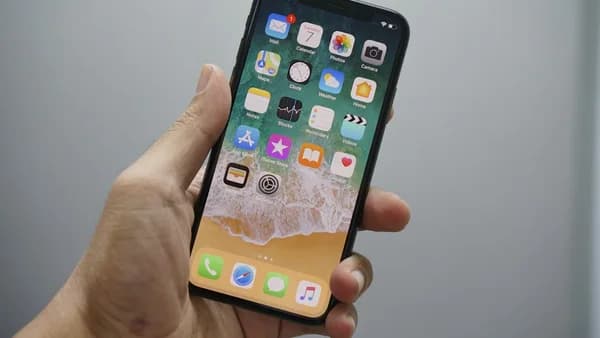
This move means users running older iPhones, iPads, and Macs aren’t locked out of critical fixes or improvements. Apple’s simultaneous release strategy signals a clear intent: new features for the latest hardware, but ongoing support for the long tail of devices still in circulation.

The company’s approach ensures that older models running previous OS generations aren’t left exposed as new software ships. In effect, Apple is casting a wider net—mitigating risks for both early adopters and users clinging to legacy gear.

Why Apple’s Updates for Older Operating Systems Matter for Users and Security

Most tech giants focus their update cycles on the latest and greatest. Apple’s decision to patch older platforms like iOS 18.7.9 stands out, reinforcing its reputation for maintaining device longevity and user trust. For users who haven’t upgraded to the newest models or OS versions, these updates are more than a courtesy—they’re a crucial line of defense against vulnerabilities.

Unpatched devices are prime targets for exploits and malware, especially as attack methods evolve. By continuing to issue updates for legacy software, Apple minimizes attack surfaces across its massive install base. This reduces the urgency for users to upgrade hardware solely for security, an approach that’s often better for both sustainability and trust.

There’s also a practical upside: extending support for older operating systems keeps older iPhones, iPads, and Macs functional in environments where hardware refreshes aren’t feasible. The result is broader compatibility and fewer orphaned devices—an operational win for households, businesses, and institutions holding onto aging hardware.

What Remains Unclear About Apple’s Update Rollout

Apple hasn’t detailed exactly which issues these legacy updates address. The company’s standard practice is to publish release notes, but specifics on the contents of updates like iOS 18.7.9 remain under wraps in the initial rollout coverage. Users and admins are left waiting for deeper technical documentation that typically arrives after public deployment.

It’s also not clear how long Apple will maintain this cadence of supporting older operating systems. The company’s public messaging focuses on the latest releases, leaving the timeline for ongoing support to speculation until devices stop receiving updates altogether.

What to Expect Next: Monitoring Apple’s Update Rollout and Future Software Support

Users should watch for incremental updates or hotfixes in the wake of the 26.5 deployment. It’s common for Apple to follow major releases with minor patches, especially if early adopters report bugs or compatibility hiccups.

Those on older devices should stay alert for future support news. Apple’s current approach suggests it may continue to patch legacy platforms as new threats emerge, but the company hasn’t committed to a fixed schedule for these updates. Developers and IT teams should also prepare for the next wave of major OS releases, which may further shift the support window for aging hardware.

Bottom line: Anyone with a device running an older version of iOS, iPadOS, or macOS shouldn’t assume end-of-life just yet—but it’s wise to keep an eye on Apple’s update cadence as the company balances innovation with long-term support.

Why It Matters

  • Apple's updates for older devices keep millions of legacy iPhones, iPads, and Macs protected from new security threats.
  • Continuous support for previous OS versions extends device lifespan and reduces pressure to buy new hardware.
  • This move reinforces user trust by demonstrating Apple's commitment to both security and sustainability.

M

Written by

MLXIO Publisher Team

The MLXIO Publisher Team covers breaking news and in-depth analysis across technology, finance, AI, and global trends. Our AI-assisted editorial systems help curate, draft, verify, and publish analysis from source material around the clock.

Produced with AI-assisted research, drafting, and verification workflows. Read our editorial policy for details.

Related Articles

Stay ahead of the curve

Get a weekly digest of the most important tech, AI, and finance news — curated by AI, reviewed by humans.

No spam. Unsubscribe anytime.