Apple’s Push Toward Solid-State Buttons Is More Than Cosmetic
Apple has spent years chasing the illusion of a seamless device—a slab of glass and metal with no moving parts, no seams, nothing to break the spell of “pure” interaction. Now, a Chinese tipster claims the 20th anniversary iPhone will finally ditch mechanical buttons for solid-state alternatives, a move that could signal the end of physical inputs on Apple's flagship hardware. If true, this isn’t just a cosmetic tweak. It’s a shift toward a new input paradigm, one that could redefine durability and user experience for the entire smartphone market, according to Gsmarena.
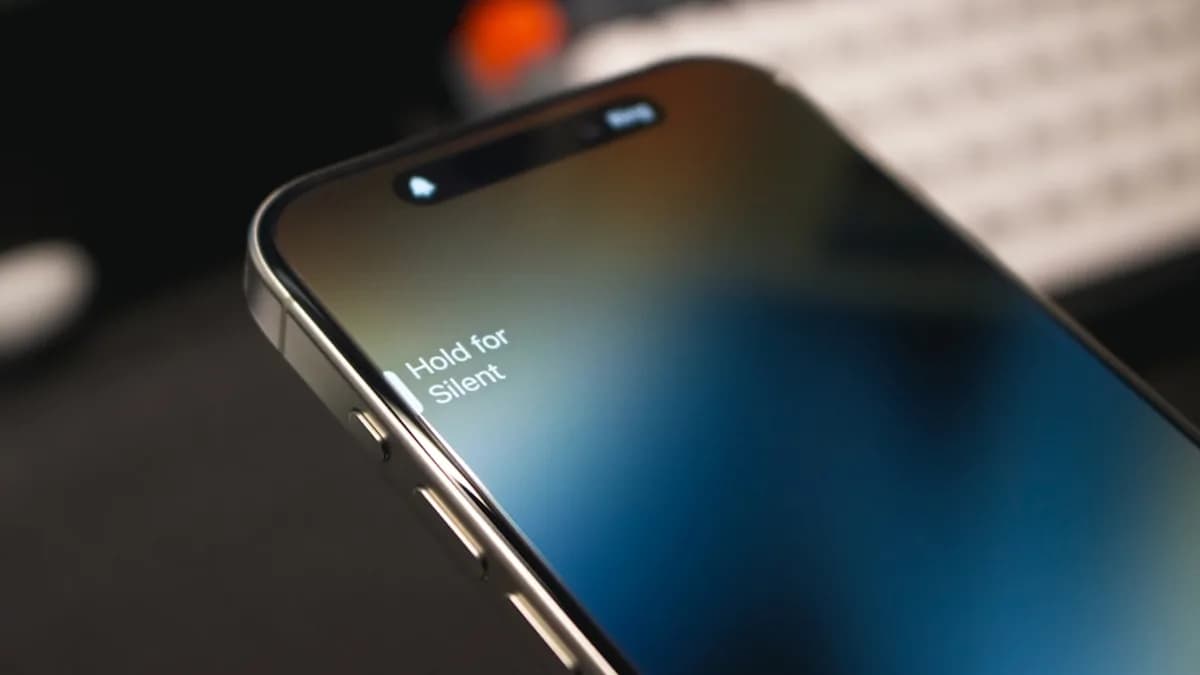
A solid-state button isn’t a button at all, at least not in the traditional sense. Instead of a moving part, it’s a touch-sensitive area equipped with sensors and haptic actuators. Press it, and you feel a vibration—engineered to mimic the click of a real button—while the hardware underneath remains static. No springs, no mechanical failure, just software and silicon. For users, that means fewer points of failure, better resistance to dust and water, and a design that can grow thinner and more visually unified. Apple’s rumored quad-curved screen will blend the glass with the sides, making mechanical buttons look increasingly out of place.
Apple’s design philosophy has always been about removing the unnecessary. The move to solid-state buttons continues that arc, promising not just a sleeker device but one that feels more responsive and reliable. If Apple nails the execution, the anniversary iPhone could become the template for the next decade. This follows the broader trend seen in iOS 27’s radical iPhone customization and privacy shift, which highlights Apple’s push for seamless hardware-software integration.
Engineering a Button That Isn’t: Apple’s Technical Gamble
Building a solid-state button that feels right is a harder problem than most users realize. Apple’s previous experiments—like the solid-state home button on the iPhone 7—were relatively easy: a single, isolated input, surrounded by a thick bezel. But replicating the tactile feedback for volume and power buttons on a device with a quad-curved screen requires precise engineering. The challenge is twofold: sensing touch and pressure accurately, and delivering convincing haptic feedback with every press.
Taptic Engine, Apple’s bespoke haptic hardware, will have to step up. The original Taptic Engine in the iPhone 6s delivered basic vibrations; later iterations allowed for more nuanced feedback, like simulating the click of a home button. But transferring this technology to the device’s edges—where users expect a physical response—means redesigning actuators, optimizing sensor placement, and ensuring reliability across millions of presses. If a solid-state button fails to register a press, or feels mushy, users will notice immediately.
Apple’s patent filings from 2020 to 2023 detail dozens of approaches to solid-state button technology: piezoelectric sensors, pressure-detecting membranes, even optical sensing. Many of these have appeared in prototypes but not in production. The failed attempt to bring solid-state buttons to the iPhone 15 Pro, reportedly abandoned due to supply chain and reliability concerns, shows how difficult the transition really is. Cupertino’s willingness to revisit the idea suggests ongoing investment—and a belief that the technical hurdles can be overcome in time for a high-profile launch.
Testing Leaks and Production Signals: What We Know About the Anniversary iPhone
Instant Digital’s leak surfaced alongside reports that Apple has already begun testing solid-state button prototypes for its next flagship. Testing this early, roughly 12 months before launch, signals confidence in the technology’s readiness. Apple’s engineering schedule is notoriously rigid: a feature tested this far in advance is likely to make the final cut unless catastrophic flaws emerge.
The quad-curved screen, another rumored feature, indicates Apple is aiming for maximal visual impact. This design would wrap glass around all four edges, eliminating sharp corners and further reducing the need for physical buttons. Combined with solid-state inputs, the effect is a device that feels like a single continuous surface, with user interaction handled by pressure and haptic feedback rather than moving parts.
Compared to current iPhones, the shift is stark. The iPhone 15 Pro and Pro Max still rely on mechanical volume and power buttons, despite previous rumors of solid-state alternatives. Competitors like Samsung’s Galaxy S24 Ultra and Google’s Pixel 8 Pro have stuck with traditional buttons, though both brands have experimented with under-display sensors and software-based inputs. If Apple delivers a fully functional solid-state button that feels natural, it will leapfrog the industry on both design and durability. This could contribute to Apple's continued dominance as seen in the iPhone 17’s global smartphone sales success.
Stakeholder Perspectives: Consumer Skepticism and Industry Anticipation
Consumers are notoriously conservative when it comes to input changes. Apple’s removal of the headphone jack in 2016 sparked outrage, but ultimately shifted the entire industry. The transition to solid-state buttons will likely trigger similar skepticism—especially from power users who rely on tactile feedback for quick volume changes or device resets. Early adopters may appreciate the durability and water resistance, but the average user will need convincing that a simulated click is as satisfying as the real thing.
Industry experts see the move as inevitable. Ben Bajarin, CEO of Creative Strategies, has argued that solid-state inputs are the logical endpoint for smartphone design, eliminating points of failure and simplifying manufacturing. But he warns: “If the haptics aren’t perfect, users will reject it. Apple gets one shot to nail the feel.” The company’s track record—first with the solid-state home button, then with increasingly subtle haptic feedback—suggests they understand this risk.
Competitors aren’t standing still. Samsung’s patents for “virtual buttons” date back to 2017, but have yet to appear in consumer products. Google’s Pixel line has focused on software-based gestures, avoiding radical hardware changes. If Apple’s anniversary iPhone succeeds, expect a wave of imitation—and fierce competition on who can deliver the best simulated button experience.
From Physical to Digital: Two Decades of iPhone Button Evolution
The original iPhone in 2007 featured a physical home button and two metal volume controls, a design carried forward for nearly a decade. The first major break came in 2016: the iPhone 7 replaced the home button with a solid-state sensor, using haptic feedback to simulate a click. That move was driven by the need for water resistance and durability, and it worked—failure rates dropped, and the device felt more unified.
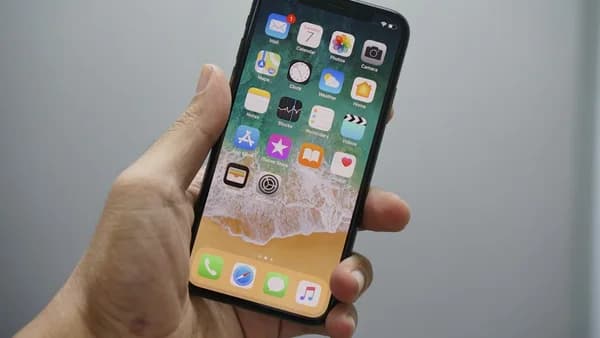
The removal of the home button altogether in the iPhone X marked another milestone, shifting users toward gestures and face recognition. Physical buttons became less central to the iPhone experience, but Apple retained them for volume and power—largely because users demanded tactile feedback. Over time, Apple refined haptic feedback, making the Taptic Engine a signature feature.
Solid-state buttons are the logical next step. They build on Apple’s history of eliminating moving parts, reducing failure points, and prioritizing design minimalism. The 20th anniversary iPhone would mark the first time all external inputs are digital, a radical milestone that fits Apple’s broader hardware evolution. This evolution echoes other hardware refinements, such as the recent watchOS 26.5 update fixing critical Apple Watch bugs.
Future Implications: Durability, Waterproofing, and Software Innovation
Switching to solid-state buttons isn’t just about looks. It’s a practical move for durability. Mechanical buttons are among the most common failure points in smartphones; replacing them with sensors and haptic actuators could cut warranty claims and extend device lifespans. More importantly, eliminating moving parts makes waterproofing easier. Apple’s current IP68 rating could improve, opening the door for devices that survive deeper submersions or harsher environments.
There’s a knock-on effect for app development and user interface design. Developers could gain access to pressure-sensitive inputs along the device’s edges, enabling new gestures and controls. Imagine squeezing the side of your phone to mute it, or sliding a finger along a solid-state volume control for granular adjustments. Apple could expose these APIs to third-party apps, sparking innovation beyond what’s possible with traditional buttons.
Repairability will suffer. Solid-state buttons embedded under glass are harder to replace than mechanical switches, which could drive up repair costs or force users into Apple’s authorized service channels. Aftermarket modification—the domain of DIYers and third-party repair shops—will become more difficult, tightening Apple’s grip on hardware and service revenue.
Apple’s Playbook: Where Solid-State Buttons Lead Next
If testing is successful, expect the solid-state buttons to debut on the anniversary iPhone in late 2025, with mass adoption across the product lineup in subsequent years. Apple typically rolls out major hardware changes first on flagship models before trickling them down to lower-cost devices—think OLED displays, Face ID, or MagSafe.
Complementary technologies are likely. Apple could introduce new haptic actuators, edge sensors, and software APIs tailored for solid-state button interaction. Integration with the quad-curved screen might enable new forms of touch and pressure input, shifting how users interact with the device. The company’s focus on accessibility could lead to customizable feedback for users with disabilities, leveraging the precision of digital sensors.
The broader industry impact will be swift. Samsung and Google, cautious about radical hardware changes, will watch Apple’s rollout closely. If consumers embrace solid-state buttons, expect rapid imitation—much as happened with the removal of the headphone jack and the adoption of notched displays. By 2027, mechanical buttons could be as rare as physical home buttons are today.
Apple’s move isn’t just about aesthetics. It’s a bet on the future of input, durability, and unified design. If the anniversary iPhone succeeds, the ripple effects will shape the smartphone market for years to come—driving competitors to rethink what a button is, and what it can be.
Why It Matters
- Apple's move to solid-state buttons could set a new industry standard for smartphone design.
- Solid-state buttons promise improved durability and resistance to dust and water for users.
- This shift may lead to thinner, more unified devices, redefining user experience for the next generation of iPhones.