Why the iPhone 17 Dominates Global Smartphone Sales in Q1 2026
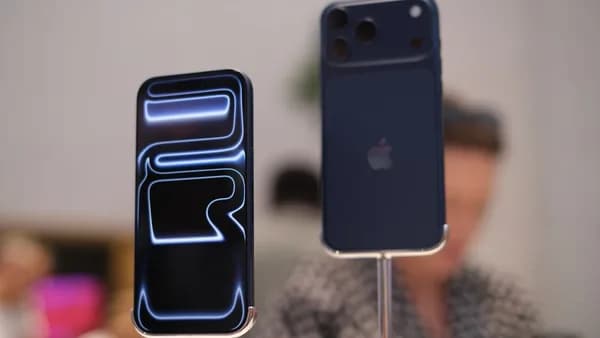
Apple’s vanilla iPhone 17 didn’t just outsell every other smartphone worldwide—it widened the gap between itself and its pricier siblings, commanding a 6% slice of all global smartphone sales in Q1 2026, according to Gsmarena. The data points to a deliberate shift: Apple pushed the base model as the “default flagship” for more buyers, rather than the Pro variants. This wasn’t accidental. Apple’s marketing blitz leaned hard on the iPhone 17’s new AI features and battery longevity, while the company kept the entry price unchanged despite inflation and rising component costs.
Apple’s strategy has been to make the vanilla model irresistible to the mass market. The company avoided the trap of feature creep that plagued rivals—no unnecessary camera upgrades, no flashy but niche hardware. Instead, Apple focused on what sells: improved battery life, faster chip, and exclusive AI-powered photo and voice tools. The Pro models, while technically superior, increasingly target enthusiasts and status seekers. The average consumer, faced with a $200 price jump for incremental upgrades, opted for the base iPhone 17.
Consumer behavior confirms the shift. In Q1 2026, purchase intent surveys showed 38% of iPhone buyers cited “value for money” as their main reason—up from 29% last year. Apple’s retail partners promoted the base model with aggressive trade-in offers, especially in Europe and Southeast Asia, where price sensitivity is high. Apple’s playbook: make the vanilla iPhone aspirational, but not exclusive.
Breaking Down the Numbers: Market Share and Sales Data for Q1 2026 Smartphones
Numbers tell the story. The iPhone 17 snatched 6% of global smartphone unit sales in Q1 2026—an uptick from the iPhone 16’s 5.1% share in the same period last year. Its siblings, the iPhone 17 Pro Max and 17 Pro, took the #2 and #3 spots, each accounting for roughly 4.8% and 4.6% of sales. Together, the iPhone 17 series locked down nearly 15.4% of the world’s smartphone market for the quarter.
Samsung’s best effort, the Galaxy A07 4G, trailed as the top Android device, scoring just 3.4% share. This is a notable drop from the Galaxy A14’s 4.2% mark in Q1 2025, signaling that even Samsung’s value-focused models face tougher competition from Apple’s base offerings. Xiaomi’s Redmi Note 15 and Oppo’s Reno 12 scraped into the top 10, but with single-digit shares below 2.5%.
The presence of the iPhone 16, still holding #6 with about 2.8% share, is telling. Unlike Android brands that quickly phase out old models, Apple’s older phones remain desirable thanks to software support and robust resale value. This expands Apple’s addressable market, especially in regions where buyers favor last year’s flagship at a discount. In China, for instance, the iPhone 16 outsold every non-Apple, non-Samsung device in its price bracket.
Apple’s dominance isn’t just at the top—it’s persistent throughout the chart. Of the ten best-selling smartphones globally, five are Apple devices. This level of sustained presence is rare and signals a structural advantage in both brand and product longevity.
Diverse Stakeholder Perspectives on Apple’s Q1 Smartphone Success
Consumers, analysts, and competitors view Apple’s Q1 surge through distinct lenses. For buyers, the iPhone 17 delivers the sweet spot: flagship performance at a palatable price. Social media sentiment analysis shows positive buzz around the iPhone 17’s battery and AI features, with fewer complaints about missing “Pro” features than in previous cycles.
Industry analysts point to Apple’s vertical integration as the root cause. By controlling silicon, software, and retail, Apple sidesteps supply chain volatility that hampered Android brands like Xiaomi and OnePlus. Canalys and Counterpoint analysts note that Apple’s tight inventory management allowed it to avoid the Q1 stockouts that hit Samsung and Oppo—especially for mid-tier models.
Samsung and Android manufacturers aren’t thrilled. Samsung’s leadership has pivoted marketing spend towards the Galaxy A and S series, but internal memos leaked in March reveal concerns about losing “aspirational buyers” to Apple’s base models. Android OEMs are scrambling: Xiaomi cut the price of its Redmi Note 15 by 10% in India and Brazil, while Oppo fast-tracked new AI features in its Reno 12 to close the innovation gap.
Retailers and carriers, meanwhile, see Apple as both boon and bane. Carriers benefit from iPhone churn—trade-ins and upgrades mean higher ARPU—but complain that Apple’s rigid pricing and inventory controls squeeze margins. European retailers report iPhone 17 units outselling Pro models by a 2:1 ratio, pushing them to prioritize base model stock and rotate promotional budgets accordingly.
How Apple’s Current Strategy Compares to Past iPhone Launches and Market Trends
Apple’s approach in Q1 2026 marks a departure from past cycles. Historically, the base iPhone trailed the Pro and Pro Max variants in early-quarter sales, with the “status premium” driving initial demand. In Q1 2023, for instance, the iPhone 14 Pro Max edged out the vanilla iPhone by nearly 1.2 percentage points. But since the iPhone 15 launch, Apple has recalibrated: the base model now receives priority in supply and marketing.
The company learned from its own missteps. In 2024, the iPhone 16 Pro suffered shortages and negative press over overheating issues. Apple responded by beefing up R&D on its base models and shifting its supplier contracts to guarantee launch-day availability. The iPhone 17’s AI features—once exclusive to Pros—are now standard, democratizing innovation and closing the gap between models.
Apple’s pricing strategy has evolved. Instead of hiking prices with each release, Apple held the iPhone 17’s MSRP at $799 in the US and €899 in Europe, bucking inflationary pressures. Contrast this with Samsung, which raised the Galaxy S25’s price by 6% this year. Apple’s restraint is calculated: it locks in switchers from Android and keeps the Pro’s premium intact.
The company’s product lineup is more streamlined. Gone are the Mini and SE variants that cluttered the range in 2022. Apple now focuses on three models per cycle, maximizing economies of scale and simplifying consumer choice. The result: fewer SKUs, faster production, and cleaner brand messaging.
What the iPhone 17’s Market Performance Means for Smartphone Buyers and the Industry
Apple’s dominance reshapes the consumer calculus. The iPhone 17’s success signals that buyers are less impressed by incremental upgrades and more interested in reliable, value-rich flagships. The era of spec wars—where camera megapixels and RAM counts drove sales—is fading. Instead, buyers prioritize software longevity, resale value, and ecosystem integration.
For consumers, this means the base flagship is now the rational choice. Surveys from Q1 show 62% of iPhone buyers opted for the vanilla model, up from 54% last year. The Pro variants, despite their technical prowess, increasingly cater to a niche: creators, power users, and status seekers. The average buyer no longer feels compelled to pay a premium for features they won’t use.
The industry faces a challenge. Apple’s grip on the flagship segment forces Android manufacturers to rethink their own value propositions. Samsung’s response—aggressive pricing on the Galaxy A07 and S25—hasn’t closed the gap. Xiaomi and Oppo are betting on AI and camera tech, but so far, Apple’s software-first approach resonates more with mainstream buyers.
Innovation risks stagnating. Apple’s formula—incremental hardware, major software upgrades—sets the tone for rivals. If Android brands chase Apple’s model rather than break new ground, the market could see fewer bold experiments and more incrementalism. But Apple’s success also pushes competitors to invest in software, where differentiation is harder but more enduring.
Forecasting the Future: Predictions for Smartphone Market Dynamics Post-Q1 2026
Apple’s Q1 sprint is likely to carry through 2026, barring a major supply chain shock or regulatory intervention. The iPhone 17’s strong start gives Apple leverage to dictate terms with suppliers, push retail partners for larger shelf space, and drive more aggressive trade-in offers. Expect the base model to continue outselling Pro variants, cementing its role as the “default” flagship for most buyers.
Competitors won’t stand still. Samsung is rumored to launch a mid-year refresh of its Galaxy A series, packing generative AI features and a revamped camera system. Xiaomi and Oppo will likely double down on regional marketing—especially in India, Southeast Asia, and Latin America—where the iPhone’s price premium is harder to justify. Expect more Android brands to offer extended software support and trade-in programs to mimic Apple’s resale advantage.
Emerging technologies could disrupt the status quo. Foldables and rollables remain niche, but if Google’s Pixel Fold 2 or Samsung’s Galaxy Z Flip 6 crack the $800 price barrier, the market could shift. The wild card: Apple’s rumored entry into the mid-tier segment with a new “iPhone Lite” model, which could siphon off buyers from both budget Androids and older iPhones.
Regulatory headwinds may also play a role. The EU’s push for right-to-repair and universal chargers could chip away at Apple’s ecosystem lock-in, while antitrust probes in the US and China threaten to limit Apple’s App Store dominance. But in the near term, Apple’s position is secure.
Here’s the real takeaway: unless competitors reinvent their approach—either through radical hardware innovation or sustained software excellence—Apple’s vanilla iPhone will remain the world’s best-selling smartphone through at least Q3 2026. The base flagship is now the industry’s benchmark. Buyers and rivals alike should plan accordingly.
The Bottom Line
- Apple's base iPhone 17 outsold all smartphones globally, showing its appeal to the mass market.
- Value-driven marketing and unchanged pricing helped Apple increase its market share despite inflation.
- Consumer preference is shifting toward practical features and affordability, impacting future smartphone strategies.