Three weeks after Apple raised hardware prices on June 25, the bill has spread beyond new devices: refurbished Macs, AppleCare+, Apple Music, Apple One, and iPhones in Japan have all moved higher in quick succession.
That makes this less like a one-off sticker shock and more like a pricing wave across Apple’s product stack, according to 9to5Mac. The stated reasons vary. Apple has pointed to memory and storage component costs for hardware. It cited licensing costs for Apple Music. Currency pressure is the likely driver in Japan. The common thread is simpler: more parts of owning Apple products now cost more.
June 25 turned Apple hardware into the first price shock
The visible break came on June 25, when Apple lifted prices across a wide hardware list. MacBook Neo rose $100 to $699. The 13-inch MacBook Air climbed $200 to $1,299. The base iPad increased $100 to $449.
The hikes did not stop with entry-level devices. MacBook Pro, iPad Air, iPad Pro, iPad mini, Mac mini, iMac, Mac Studio, Apple TV 4K, HomePod, HomePod mini, and Apple Vision Pro were also affected.
Apple’s explanation was unusually direct. In a statement shared with MacRumors, the company tied the increases to memory and storage costs driven by AI data center demand.
“The consumer electronics industry is facing an unprecedented challenge. The rapid expansion of AI data centers has created an extraordinary surge in demand for memory and storage. We have never seen a component price increase this much, this quickly.”
MacRumors reported that the increases ranged from $30 for the HomePod mini to up to $1,300 for the Mac Studio. That range matters because it shows Apple is not merely nudging one consumer product line. It is repricing across categories where RAM and SSD costs feed directly into the finished product.
For more context on the pressure building around Apple’s pricing decisions, see MLXIO’s related coverage of Apple’s Studio Display gap.
Refurbs show how the old price floor has shifted
The hardware increases are also showing up in Apple’s refurbished store. A newly listed 256GB refurbished MacBook Neo now costs $599, which 9to5Mac notes is the same price as a brand-new model before the June hike.
That is a small detail with a larger signal. Refurbished products usually act as Apple’s lower-cost release valve for buyers who want Mac hardware without paying the full new-device price. When a refurb lands at the old new-device price, the entry point has effectively moved up.
| Area | Reported change | Source-backed reason |
|---|---|---|
| MacBook Neo | Up $100 to $699 | Memory and storage component costs |
| 13-inch MacBook Air | Up $200 to $1,299 | Memory and storage component costs |
| Base iPad | Up $100 to $449 | Memory and storage component costs |
| 256GB refurbished MacBook Neo | Listed at $599 | Reflects new post-hike pricing floor |
| Japan iPhones | Up 8% to 11%, or ¥8,000 to ¥20,000 | Apple gave no reason; yen weakness is likely |
Analysis: Apple’s pricing ladder now looks steeper even before a customer adds storage, accessories, or coverage. The source material does not provide new figures for RAM upgrades, chargers, keyboards, or cases, so those should not be treated as confirmed price changes in this round. The confirmed point is narrower and still meaningful: the base hardware and refurbished floor have moved.
Japan iPhone prices rose before U.S. iPhones did
The most geographically specific increase is in Japan, where current iPhone prices rose between 8% and 11%, or ¥8,000 to ¥20,000, depending on the model. Apple did not give a reason.
9to5Mac says the yen’s recent weakness is a likely explanation. That is an inference, not an official Apple statement. Still, it fits the usual mechanics of regional pricing: when a local currency weakens, imported premium hardware becomes harder to price without either compressing margins or raising local prices.
The U.S. is different for now. 9to5Mac says iPhone prices in the U.S. have not increased yet, while adding that it expects Apple’s fall iPhone lineup to debut with higher costs. That expectation is not a confirmed Apple announcement.
The practical read: international customers can absorb price moves before U.S. buyers see the same pressure. The Japan increase also shows that Apple’s pricing wave is not only about AI-driven component costs. Currency can become its own trigger.
AppleCare+ adds a smaller but recurring hit
The next layer is protection. AppleCare+ plans for every current Mac and iPad increased by 50 cents per month or $5 per year, according to 9to5Mac.
Existing subscribers kept their old pricing. AppleCare One stayed at $19.99 per month, which makes the bundle a relatively better deal under the new plan pricing.
This is not as dramatic as a $200 MacBook Air increase. But it hits a different buyer. Hardware hikes affect the moment of purchase. AppleCare+ increases affect customers trying to insure a device over time, including those who may be holding onto hardware longer.
Analysis: this matters because it broadens the pricing wave from “buying a new device costs more” to “keeping that device protected costs more.” The source material does not confirm new out-of-warranty repair or battery service increases, so those should remain outside the verified scope of this roundup.
Friday’s Apple Music increase pushed the wave into subscriptions
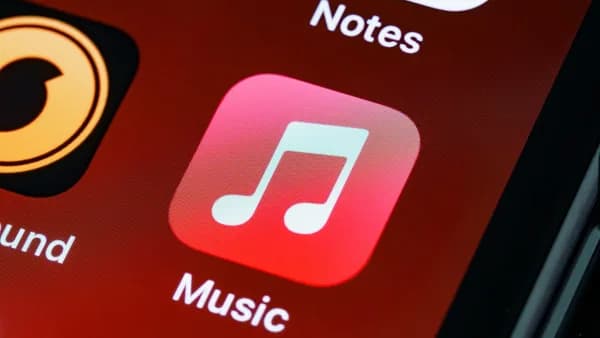
On Friday, Apple raised Apple Music and most Apple One bundle prices. Apple Music now costs $11.99 per month for individuals, while family plans cost $19.99.
Apple explicitly cited rising licensing costs. That explanation is narrower than the hardware rationale. This is not about RAM or SSD pricing. It is about what Apple pays to offer the music service.
Apple One Family and Apple One Premier each increased by $2. Apple One Individual remained unchanged. Apple did not spell out the bundle math, but 9to5Mac points out that the affected tiers include the family version of Apple Music, which saw the largest increase.
That distinction is important. A hardware price hike is painful but episodic. A subscription increase compounds quietly across months and households. It also makes bundles harder to evaluate because the price of one included service can change the perceived value of the whole package.
For readers comparing Apple’s bundle math, MLXIO’s related piece on the $19.95 Apple One Deal Exposes Apple's Price Hike Trap is relevant background.
Apple TV+, iCloud, Apple Arcade, and App Store pricing are not confirmed in this round
The current source material confirms increases for hardware, refurbished hardware, Japan iPhones, AppleCare+, Apple Music, and Apple One. It does not confirm new price increases for Apple TV+, iCloud, Apple Arcade, App Store pricing tiers, app subscriptions, or in-app purchases in this specific wave.
That absence matters. Apple has many ways to raise the effective cost of participation in its product and services universe, but not every lever has been pulled in the verified reporting here.
Analysis: the confirmed pattern is already broad enough without adding unsupported categories. Apple is raising upfront prices where components are under pressure, recurring prices where licensing costs are rising, and regional prices where currency pressure likely matters. If App Store tiers or other services move later, they would become a separate data point rather than something implied by this round.
The bigger picture
Apple’s latest pricing moves point to a tougher ownership model: the device costs more, some protection plans cost more, music costs more, bundles cost more, and certain international buyers are already seeing sharper iPhone increases.
The next decision point is the fall iPhone lineup. U.S. iPhone prices have not risen yet, according to 9to5Mac, but the hardware rationale Apple used on June 25 — memory and storage pressure tied to AI data centers — has not disappeared from the story. MacRumors also reported that Apple said it had reached a point where it needed to “begin” raising prices, language that leaves room for more changes.
The practical takeaway is to stop treating Apple pricing as a single launch-day number. Buyers now need to watch the full stack: device, storage tier, refurbished alternatives, AppleCare+, regional pricing, Apple Music, and Apple One. The next price increase may not arrive where customers expect it.
The Bottom Line
- Apple’s price hikes now span hardware, services, protection plans, and regional iPhone pricing.
- Component costs tied to AI data center demand are raising prices for consumer electronics buyers.
- The broader pricing wave makes owning and maintaining Apple products more expensive.