Apple Notes Is the Best App Most People Underrate
Apple Notes quietly outperforms every so-called productivity giant on my phone. It’s not the loudest, flashiest, or most customizable, but it’s the one app that’s never left my dock. I’ve used it for everything: brainstorming columns, scanning receipts, sharing grocery lists with my family, and sketching UI mockups on the go. What sets Apple Notes apart isn’t just convenience—it’s the frictionless way it fits into every Apple device and workflow I use.
The real magic is in the handoff. Start a note on your Mac, annotate it on an iPad, check it on your phone at the grocery store—no exporting, no syncing headaches, no third-party accounts. For the 1.46 billion active Apple devices worldwide, that seamlessness is hard to outdo. Features like inline document scanning, checklists, and instant sharing don’t just sound nice on a spec sheet; they make Notes indispensable for everything from work to daily life. And unlike feature-bloated alternatives, Apple Notes doesn’t demand a manual or a subscription. For millions of users, it’s not just default—it’s essential according to 9to5Mac.
iOS 27’s Rumored AI Summaries Could Change How We Take Notes
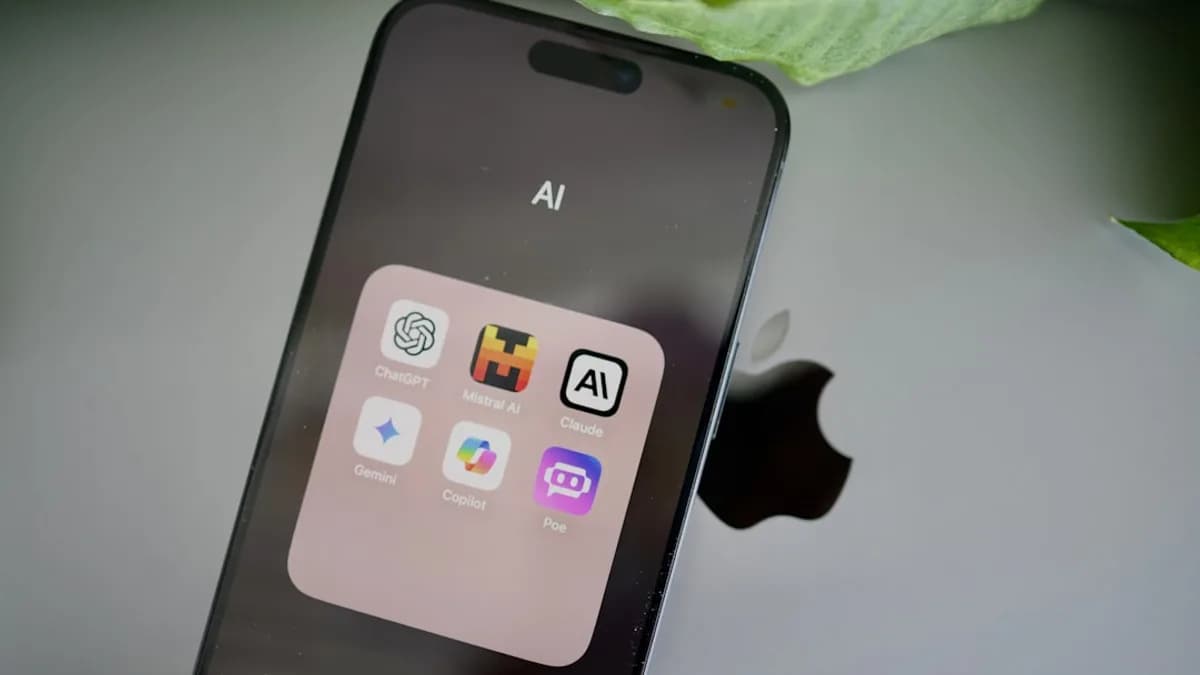
The rumored iOS 27 upgrade isn’t just another bullet point on a keynote slide: Apple is reportedly building generative AI-powered summaries directly into Notes. Imagine dropping a 2,000-word meeting transcript or research dump into Notes and getting a concise, contextually aware summary in seconds—right from the app, without pasting text into ChatGPT or exporting to third-party tools.
This isn’t a minor tweak. Today, distilling long notes means manual skimming or relying on external services, which breaks the Apple workflow. Automatic summaries would let users prep for meetings, draft quick briefs, or scan class notes in moments. It’s a trick Notion and others have been charging for, but Apple would put it in the hands of every iOS user—likely for free and with system-level privacy controls most rivals can’t match.
For students, journalists, and executives, this kind of automation could cut hours out of their week. Even casual users could finally make sense of their endless scroll of clipped articles, receipts, or travel plans. By closing the gap between information capture and actual understanding, Apple could make Notes not just a storage locker but a true knowledge assistant. If Apple nails privacy and speed, this won’t just be a nice-to-have—it will be the new baseline.
How Apple Notes’ Steady Evolution Outpaces Feature-Stuffed Rivals
Evernote once ruled the note-taking world, boasting 225 million users at its peak. Notion has millions of fans and an $10 billion valuation. Both offer more knobs, templates, and integrations than Apple Notes—but for most users, that’s the problem. The learning curve is steep, the interfaces sprawl, and sync isn’t always flawless.
Apple Notes’ strength is its restraint. It’s always been fast, simple, and deeply integrated—three things even Notion’s slickest templates can’t match. Attachments, drawings, and tags came when they were truly useful, not just to pad release notes. The app’s design invites you to write, not tinker with formatting or hunt for the right plugin. Unlike Evernote, which lost ground as it chased business users and premium upsells, Apple Notes doubled down on native integration: instant Siri dictation, lockable notes with Face ID, and no-fuss sharing in Messages.
The rumored iOS 27 upgrade could tip the scales further. If Apple’s AI summary feature matches or exceeds what Notion and Evernote offer—without a subscription, privacy trade-offs, or new accounts—Notes’ appeal will only widen. For most users, simplicity plus intelligence is a winning formula.
Incremental Upgrades Beat Flashy Overhauls
Skeptics love to complain that Apple Notes changes too slowly. No Markdown support, no Kanban boards, no plugins. But thoughtful, incremental upgrades have made Notes more useful than a dozen overambitious rewrites. Apple’s model is clear: release only what works everywhere, keep it stable, and don’t break muscle memory.
Look at the data. Apple’s approach means faster adoption. When the company added document scanning and inline checklists, usage spiked—not because the features were new to the world, but because they worked instantly across every device. No onboarding, no re-learning. That’s why Apple Notes sits on over a billion devices, while Evernote’s user base shrank after every UI overhaul and subscription drama.
Rumored AI summaries fit this pattern. Instead of a “Notes 2.0” that forces users to rethink everything, Apple adds a single, high-impact feature that slides into existing habits. Users who never wanted AI can ignore it; power users get a faster workflow. The company’s slow-and-steady roadmap keeps Notes reliable and trusted—a far cry from rivals chasing the latest trend.
Every Apple User Should Be Watching iOS 27’s Notes Upgrade
If you use Apple Notes even occasionally, the coming iOS 27 update could change how you work, study, or organize daily life. Instant AI-powered summaries mean less time parsing chaos, more time acting on what matters. For Apple, it’s a clear bet: make core apps smarter, not just more complicated.
This is the moment to rethink how you use Notes. Try scanning long receipts or meeting notes, then imagine them automatically condensed. If Apple delivers, the gap between dumping information and actually using it could vanish overnight. Don’t wait for the next productivity fad—watch what Apple does with Notes, and be ready to make it your go-to again when iOS 27 lands.
Why It Matters
- Apple Notes is widely used and essential for millions, but often underrated compared to flashier alternatives.
- iOS 27's rumored AI-powered summaries could drastically streamline how users process and organize information.
- Native AI features in Notes may eliminate the need for third-party tools, keeping workflows secure and seamless within the Apple ecosystem.