Massive Price Cuts on Apple iPhone Air Highlight This Week’s Smartphone Deals
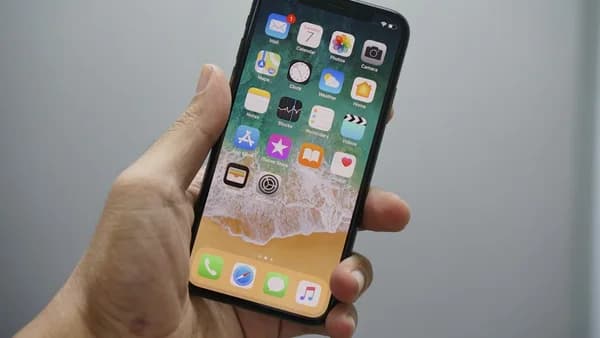
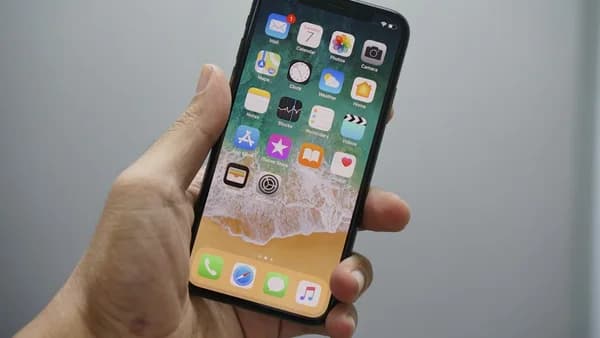
A €480 discount on the iPhone Air isn’t just a sales tactic—it’s a rare move from Apple that signals the company’s willingness to fight for market share even at the risk of eroding its luxury cachet. The iPhone Air, which debuted as Apple’s thinnest and lightest flagship, now undercuts much of its own competition on price, making it a compelling buy for anyone who doesn’t need the absolute latest hardware. This discount, flagged by Gsmarena, slashes hundreds off the phone’s European retail price and puts a high-spec Apple device within reach for mid-tier buyers.
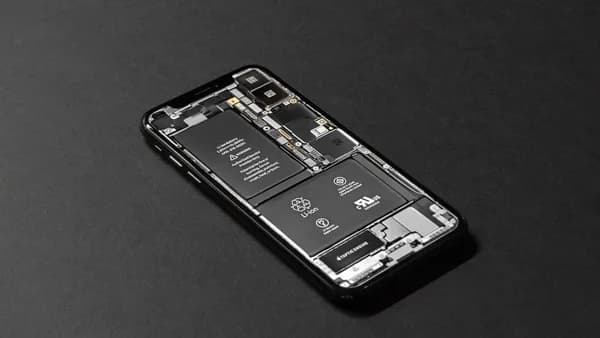
What buyers get is a 6.5-inch LTPO OLED display with a 120Hz refresh rate—a panel that holds up against anything in Samsung’s or Google’s current lineups. The A19 Pro chipset inside is still a powerhouse, with performance benchmarks that top most Android flagships released this year. Apple’s claim of 12 hours and 44 minutes of “Active Use” on a modest 3,149mAh battery seemed optimistic at launch, but real-world tests have confirmed those numbers. This is partly thanks to Apple’s efficient silicon and the adaptive refresh display.
MagSafe accessories help to offset the small battery, offering quick top-ups and battery packs that magnetically snap on. That’s a minor consolation for power users, but anyone who relies on their phone all day will appreciate the flexibility. The most glaring compromise—especially at this price—is the single 48MP rear camera. While it produces sharp, vibrant images, it lacks the flexibility of a telephoto or ultrawide lens. For some, that’s a dealbreaker. For others, especially those upgrading from older or mid-range iPhones, it’s a non-issue.
Apple rarely slashes prices by this magnitude outside of new launches or end-of-life cycles. This move looks less like a clearance and more like a pre-emptive strike as Android rivals gain ground with feature-rich, aggressively priced handsets.
Apple iPhone 17 Joins the Price Drop Frenzy with Attractive Discounts
The iPhone 17 series, barely a year out from launch, is also seeing deep discounts—an unusual move for a model that’s still very much in demand. Retailers across Europe have chopped prices on both the standard and Pro models by €200-€350, depending on configuration. This isn’t the fire sale of an outgoing phone; it’s a calculated effort to keep Apple’s most recent premium devices in the spotlight as competitors ramp up their own promotions.
The iPhone 17 stands out with its second-generation under-display Face ID, a brighter XDR display, and a more advanced 48MP main camera with sensor-shift stabilization. The A20 chip inside delivers around 18% better multi-core performance compared to the previous generation, and AI-driven photo enhancements have earned Apple some of its best user review scores in years. Thermal performance—long a sticking point with heavy users—also saw meaningful improvements, with sustained performance holding up in stress tests.
Compared to the iPhone 16, the 17’s camera system and display represent the biggest leaps: more accurate colors, better low-light performance, and less motion blur. While the 17 Pro line gets all the attention for its titanium frame and periscope zoom, the standard 17 now fills the “default” premium slot for buyers who don’t care about maximum specs but want a modern experience.
These discounts don’t just sweeten the deal for Apple loyalists. They put real pressure on Samsung, Google, and upstart Chinese brands, which have traditionally relied on undercutting Apple to win market share. This round of price cuts resets the baseline for what buyers expect to pay for a premium iPhone—and could influence pricing for the next wave of Android launches.
Samsung Galaxy S26 and Google Pixel 10/10 Pro Also Featured in This Week’s Sales
Samsung and Google aren’t sitting out this week’s price war. The Galaxy S26 and Pixel 10/10 Pro, both launched within the past six months, are already subject to discounts of €150-€250 across multiple retailers. For Samsung, the S26’s 6.8-inch Dynamic AMOLED 2X display, Snapdragon 8 Gen 4, and triple-lens camera system (including a new 200MP main sensor) make it one of the most feature-rich Android flagships ever. The S26 also introduced satellite connectivity for emergency texting—a first for the Galaxy line.
Google’s Pixel 10 and 10 Pro, meanwhile, double down on AI-driven photography and voice features. The Pro model’s Tensor G4 chip unlocks on-device generative AI, while the new 5x periscope lens brings the Pixel’s camera hardware closer to Samsung’s territory. Real-time voice translation, AI call screening, and live transcription are more polished than ever, and Google’s promise of seven years of OS and security updates is still unmatched in the Android space.
These discounts don’t just signal end-of-quarter sales tactics. They’re a strategic response to Apple’s aggressive pricing. Samsung and Google are betting that feature differentiation—whether through camera hardware, display tech, or AI smarts—will sway buyers who might otherwise be tempted by a discounted iPhone. For shoppers who’ve hesitated to jump from iOS or are looking for high-end Android alternatives, this week’s sales are as good as it gets.
The timing is no accident. With new launches from all three brands expected in the next 3-5 months, clearing inventory now frees up shelf space and mindshare for upcoming flagships.
What This Week’s Smartphone Discounts Reveal About Market Trends and Consumer Demand
The scale and timing of this week’s price cuts suggest a larger shift in the global smartphone market. For years, Apple held the line on pricing while Android rivals used discounts and bundles to win converts. Now, with smartphone upgrade cycles lengthening—industry data shows the average European user keeps their device for 3.5 years, up from 2.8 years in 2019—manufacturers are feeling the pressure to spark demand.
Competition is biting harder. IDC’s Q1 2024 shipment report showed Apple, Samsung, and Google all lost ground to Chinese brands like Xiaomi and Honor, whose aggressive pricing and rapid innovation cycles are winning over younger buyers. Apple’s move to slash prices on both the iPhone Air and iPhone 17 isn’t just about clearing stock; it’s a bid to defend its dominance as the middle and upper ends of the market get squeezed.
Samsung and Google, meanwhile, are leaning into features—satellite connectivity, AI, camera hardware—but they’re also conceding ground on price. The coordinated nature of these discounts hints at a new consensus among top-tier phone makers: buyers won’t pay top dollar for incremental upgrades, no matter how shiny the marketing.
This trend has direct implications for upcoming launches. Expect sharper launch pricing, more aggressive trade-in offers, and bundled services designed to lock in users for the long haul. For consumers, the message is clear: waiting even a few months after launch can save hundreds, with little sacrifice in performance or software support.
The bigger picture: smartphone makers are finally responding to buyer fatigue and price sensitivity with deals that would’ve been unthinkable even two years ago. The days of $1,500 flagships with no meaningful discount until the next model drops may be numbered. The market is recalibrating, and nimble buyers stand to benefit—at least until the next innovation cycle resets the game.