Why Apple Might Delay the iPhone 18 Launch Until 2026
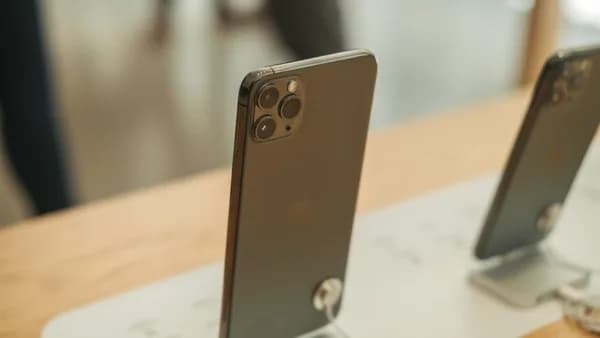
Apple rarely telegraphs weakness, so when credible leaks point to the iPhone 18 skipping its expected September debut, it signals more than just a scheduling hiccup. According to Notebookcheck, a known leaker claims Apple is holding back the iPhone 18 because it isn’t technologically competitive for a 2025 release. Translation: Apple sees a risk in launching a device that doesn’t leapfrog the competition, especially as Samsung, Google, and Chinese OEMs push hardware and AI features aggressively.
This isn’t just about specs. Apple’s staggered launch could be a chess move aimed at expanding market share through anticipation and pent-up demand. By delaying, Apple buys time to integrate next-gen silicon (possibly the A19 chip), more advanced camera systems, and perhaps even satellite connectivity or generative AI features that are currently half-baked. The company has a history of letting rivals debut hardware first, then swooping in with a more polished version. But the stakes are higher now: with global smartphone replacement cycles lengthening and competition intensifying in premium segments, Apple can’t afford a lackluster flagship.
A staggered timeline also lets Apple segment its lineup more sharply. If the iPhone 18 launches alone in 2026, it becomes the hero product—uncontested by sibling models, with marketing focused solely on its innovations. That’s a recipe for outsized hype, especially if Apple times the launch around a major software or ecosystem upgrade. The delay, then, isn’t just a sign of technical caution; it’s a bet that Apple can maximize sales and brand loyalty by breaking from its annual rhythm.
Examining the Market Data Behind Apple’s Staggered iPhone Release Strategy
Apple’s iPhone sales have plateaued, but the company still commands 20–22% of global smartphone market share, according to IDC 2024 data. In Q1 2024, Apple shipped roughly 55 million iPhones, but saw a 10% year-over-year decline—driven by slower upgrades in North America and China, where buyers increasingly expect major leaps, not incremental tweaks.
Competitors aren’t waiting. Samsung’s Galaxy S24 lineup launched in early 2024 with AI-powered features, while Xiaomi and Oppo released foldables and camera-centric flagships on a six-month cadence. If Apple launches a “safe” iPhone 18 in late 2025, it risks looking stale next to rivals that iterate rapidly and market aggressively. The opportunity cost is real: Counterpoint Research estimates that a flagship iPhone launch generates $10–12 billion in quarterly revenue, and a delay could shift this windfall into 2026—potentially smoothing Apple’s revenue curve but also risking lost sales to Android alternatives.
Staggering the iPhone 18’s release could also be a tactical response to supply chain realities. With ongoing global chip shortages and unstable component pricing, Apple might be buying time to secure next-gen materials at scale. By pushing the launch into 2026, Apple can align its flagship with refreshed software (iOS 20?) and new services, making the device a centerpiece of its broader, high-margin ecosystem. The risk: if competitors drop disruptive features in 2025, Apple’s delay may erode its mindshare among tech-forward consumers.
Diverse Industry and Consumer Perspectives on Delaying the iPhone 18
Industry analysts see a delayed flagship as a double-edged sword. On one hand, it gives Apple room to perfect hardware and software integration, crucial as generative AI and on-device processing become selling points. Gartner’s analysts argue that Apple’s reputation lets it “control the upgrade cycle” more than any rival, but warn that a missed launch window can embolden competitors. In 2020, Apple’s COVID-driven delay of the iPhone 12 didn’t dent sales—if anything, pent-up demand boosted Q4 numbers. But the market in 2026 will be less forgiving if Apple’s innovation curve flattens.
Consumers have grown cynical about incremental updates. Social sentiment analysis (Brandwatch, 2023) shows that 40% of U.S. smartphone buyers now wait two or more years to upgrade, especially if new models offer only modest improvements. A staggered launch could spark impatience, but if Apple delivers a truly differentiated iPhone 18, the payoff could be a surge in upgrades from previously disengaged users.
Supply chain experts point out that delays ripple through the production network. Apple’s tight control over Foxconn and other suppliers means it can recalibrate orders, but extended timelines risk idle capacity and higher costs. The upside: longer development cycles let Apple stress-test components and avoid fiascos like the iPhone 6’s “bendgate” or the iPhone X’s OLED shortages. The downside: suppliers betting on a fall 2025 launch may see revenue gaps, potentially pushing them to court Android OEMs more aggressively.
How Apple’s Launch Strategy Compares to Past iPhone Release Patterns
Apple’s annual September iPhone launch is almost ritualistic, but it hasn’t always been so clockwork. The original iPhone debuted in June 2007, the iPhone X arrived in November 2017, and the iPhone 12 was pushed to October 2020. Each deviation came with context: the iPhone X needed more time for Face ID and OLED integration, while the iPhone 12’s delay was COVID-driven. In both cases, sales surged, suggesting that anticipation—if managed well—can work in Apple’s favor.
Contrast this with Samsung, which releases two premium lines (Galaxy S and Galaxy Z) each year, aiming for constant relevance. Chinese brands like Xiaomi and Oppo iterate even faster, flooding the market with new SKUs every quarter. Apple’s discipline in sticking to fewer, bigger launches has preserved its premium aura, but the risk grows as rivals close the innovation gap.
Historically, Apple’s delayed launches have coincided with major hardware shifts: the iPhone X introduced a new form factor and Face ID, while the iPhone 12 brought 5G. In both cases, Apple saw record quarters immediately after launch, and did not lose market share. But the smartphone market is more mature now; buyers expect not just a new look but fundamentally new capabilities. If the iPhone 18 is delayed without a clear leap in performance or features, Apple’s strategy could backfire, leaving the door open for aggressive competitors.
What the iPhone 18 Delay Means for Smartphone Buyers and the Industry in 2026
For consumers, the delay disrupts the familiar upgrade cycle. Many plan purchases around Apple’s September launch, trading in old devices or waiting for carrier deals. A launch shift to 2026 could push buyers toward rival models, especially as Samsung and Google continue their spring and fall releases. If Apple delivers a transformative iPhone 18, buyers may hold off purchases, creating a vacuum in late 2025—a risk if competitors offer compelling alternatives.
The broader industry could see ripple effects. Retailers and carriers depend on Apple’s annual cadence for inventory planning and promotions. A delayed flagship means retooling sales strategies and possibly incentivizing Android upgrades to fill the gap. For competitors, Apple’s absence from the fall 2025 flagship cycle is a golden opportunity to poach premium buyers. Expect aggressive marketing and feature launches from Samsung, Google, and Chinese OEMs targeting Apple loyalists.
Technologically, a delay might signal a shift in feature expectations. If Apple uses the extra time to integrate on-device AI, satellite connectivity, or new display technologies, the iPhone 18 could reset the bar for what consumers demand. Conversely, if the delay results in a device that’s only marginally better, Apple risks losing its reputation as the industry’s innovation leader.
Predicting Apple’s Next Moves and the Future of iPhone Innovation Post-2026
Apple doesn’t delay for fun. If the iPhone 18 is pushed to 2026, expect the company to pack it with features that justify the wait. The most likely bets: a radically new processor (A19 or M-series), advanced AI integration for photography and productivity, and perhaps a new form factor—foldable, or at least thinner and lighter than rivals. Apple could also debut a new connectivity standard, building on its investments in satellite and ultra-wideband tech.
The delayed timeline gives Apple room to refine generative AI on-device, a space where Google and Samsung are already jockeying for leadership. If Apple can deliver robust AI features that don’t rely on the cloud—think real-time translation, context-aware voice assistants, or advanced health tracking—it could reclaim mindshare among tech enthusiasts and professionals.
Long-term, the staggered launch may signal a break from Apple’s rigid annual cycle. The company could shift to a two-year flagship rhythm, focusing on major upgrades rather than incremental tweaks. This would align with consumer buying patterns and let Apple invest more deeply in hardware and software integration. If Apple delivers a true leap in capabilities, expect a surge in upgrades and renewed dominance in the premium segment.
If Apple flubs the launch—delivering only cosmetic changes—the risk is not just lost sales, but permanent erosion of its innovation aura. The company has one shot: use the delay to deliver something that makes rivals scramble, not gloat. If history is any guide, Apple will use the extra year to ensure the iPhone 18 is not just good enough, but necessary. The next move will tell us whether Cupertino can still set the pace, or if it’s merely reacting to a market it used to define.
The Stakes
- Apple's delay signals rising pressure to deliver breakthrough technology amid fierce competition.
- A staggered launch could reshape marketing strategies and drive greater hype for the iPhone 18.
- Consumers may face longer waits and shifting upgrade cycles as Apple changes its release playbook.