


Introduction: Anbernic’s Bold Step with the RG Rotate
Few companies in the handheld gaming space have been as persistent—or as prolific—as Anbernic. Known for churning out a steady stream of portable emulation consoles, the company has developed a reputation for blending nostalgia with modern technology, often courting retro enthusiasts and tinkerers alike. Now, with the announcement of the Anbernic RG Rotate, the brand is signaling a willingness to break from tradition. This new device arrives with a strikingly unconventional feature: a square design capped by a swiveling touchscreen. In an industry where most handhelds play it safe with tried-and-true form factors, Anbernic’s latest release feels like a deliberate, if risky, leap into experimental territory. It’s a move that invites both intrigue and skepticism, raising compelling questions about the future of design innovation in handheld gaming.
Innovative Design: The Swiveling Screen and Its Potential
At the heart of the RG Rotate’s appeal—and controversy—is its swiveling touchscreen. According to Anbernic, this mechanism relies on a “self-developed ultra-thin alloy hinge built for lasting durability” [Source: Source], a claim that immediately brings to mind the engineering headaches faced by other manufacturers. After all, even industry titans like Nintendo have struggled over the years with hinge reliability, as seen with the Nintendo DS and its successors. The mechanical complexity of a rotating screen is a double-edged sword: it can offer unique utility, but also introduces new points of failure.
So, what does this innovation actually mean for gamers? On a practical level, a swiveling screen could dramatically enhance versatility. Imagine flipping the display for vertical shooters, reading comics, or simply finding a more comfortable viewing angle on a crowded subway. This echoes the flexibility seen in some convertible laptops and tablets, where adjustable screens are a genuine quality-of-life upgrade. Yet, the trade-off is clear: more moving parts often equate to more opportunities for mechanical wear and tear.
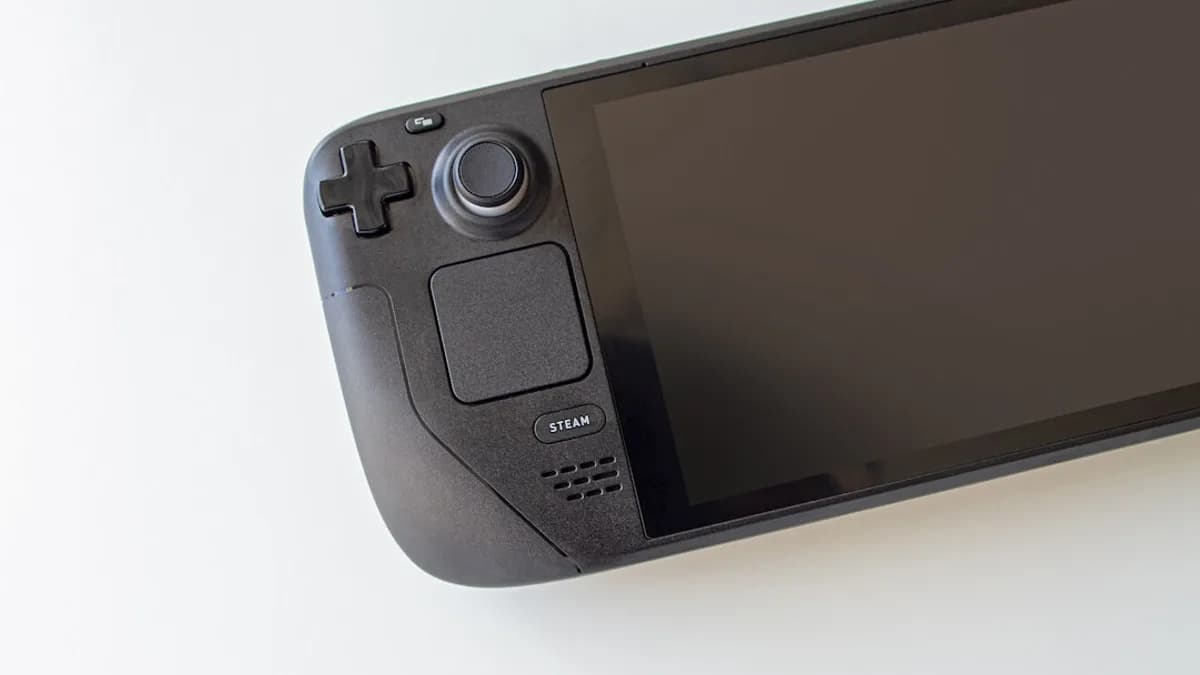
Comparing the RG Rotate to other handheld devices underscores its uniqueness. Most emulation handhelds, from the Steam Deck to Anbernic’s own RG series, rely on fixed screens and traditional clamshells. The RG Rotate’s approach stands out, especially in an era where portability and compactness are prized. At the same time, skepticism is warranted. Will this ultra-thin hinge truly stand up to the rigors of daily use, particularly for gamers who expect their gear to survive backpacks and commutes?
Ultimately, the swiveling screen represents a bold experiment. If executed well, it could set a new standard for adaptability in pocket-sized consoles. If not, it risks being remembered as a gimmick that added complexity without real benefit. For now, the RG Rotate’s design dares to ask: what else can a handheld do, and how far can we push the form factor before practicality gives way to novelty?
Control Scheme: Nostalgia vs. Modern Expectations
Alongside its innovative screen, the RG Rotate makes another conspicuous design choice: the absence of thumbsticks. Instead, the device features basic, Game Boy Advance-style controls—just a D-pad and a cluster of face buttons [Source: Source]. For retro gaming enthusiasts, this might evoke a wave of nostalgia. The straightforward input scheme is perfect for classic titles from the 8-bit and 16-bit eras, where complex analog controls simply weren’t part of the equation.
However, this minimalist approach raises questions about broader usability. Modern gamers have grown accustomed to thumbsticks for precise control in 3D environments, twin-stick shooters, and a host of genres that have become mainstream over the past two decades. By omitting these, Anbernic has effectively signaled that the RG Rotate is not aiming to be a catch-all device for every gaming taste. Instead, it seems purpose-built for those who want to revisit the golden age of handheld gaming, perhaps at the expense of titles that require more nuanced input.
Comfort is another factor. While some users will appreciate the simplicity and tactile feedback of classic buttons, others may find the absence of thumbsticks limiting, especially for longer play sessions or more demanding games. There’s also the matter of ergonomics—will the square design and flat control surface stand up to hours of use, or will fatigue set in faster than with more contoured competitors?
In sum, the RG Rotate’s control scheme is a double-edged sword. It’s a love letter to the past, but that very nostalgia could limit its appeal to a niche audience, rather than the broader base of gamers who expect more modern controls.
Design and Naming: Creativity or Missed Opportunity?
If the RG Rotate’s swiveling screen is a bold experiment, its overall aesthetic is decidedly less adventurous. The device’s square profile is functional and easily pocketable but lacks the kind of visual flair that helps a handheld stand out on a crowded shelf. While the design is thoughtfully minimalist, it risks coming across as uninspired in a market where even retro-themed devices often play with color accents, materials, and curves to evoke a sense of excitement or premium quality.
Then there’s the matter of the name: RG Rotate. Functional? Absolutely. Memorable? Not so much. In an age where branding can be as important as hardware, Anbernic’s utilitarian naming scheme feels like a missed opportunity. Catchy or evocative names, like “Game Boy” or “Switch,” often help build emotional connections between consumers and products. “RG Rotate” tells you precisely what the device does, but it doesn’t invite curiosity or spark the imagination.
Branding and design aren’t just superficial concerns—they influence how devices are perceived, shared, and ultimately adopted by the gaming community. Anbernic’s approach here feels cautious, perhaps to let the hardware speak for itself, but the lack of creativity in naming and aesthetics could undermine what is otherwise a compellingly innovative piece of tech.
Anbernic’s Place in the Handheld Market: Experimentation and Risks
Anbernic has built its reputation on experimentation, often venturing where mainstream brands hesitate. Earlier this year, the company unveiled a wireless controller with a built-in heart rate monitor, a niche feature that signaled its willingness to explore new ideas [Source: Source]. The RG Rotate continues this tradition, but it also highlights the inherent risks of pushing boundaries in a competitive landscape.
On one hand, Anbernic’s willingness to try new things has kept it relevant in a market increasingly dominated by giants like Valve and Nintendo. The company’s devices often appeal to enthusiasts who crave something different—whether that’s unique form factors, open-source firmware, or hardware that invites customization. The RG Rotate, with its swiveling screen and basic controls, extends this spirit of experimentation.
Yet, not every gamble pays off. Unconventional designs can backfire if they don’t resonate with users or if they introduce durability issues that erode trust. In a market where consumers have no shortage of choices—from high-powered PC handhelds to nostalgia-fueled mini-consoles—there’s little room for error. A device that’s too niche can quickly fade into obscurity, while one that strikes the right balance between innovation and reliability can become a cult classic.
Looking ahead, the RG Rotate’s success will likely hinge on two factors: execution and community response. If the swiveling hinge proves robust and the device delivers a satisfying retro gaming experience, Anbernic could inspire a wave of imitators. If not, the RG Rotate might go down as an interesting footnote—a testament to the risks and rewards of hardware innovation. Either way, Anbernic’s place as an outsider willing to experiment remains secure, and that’s a role the industry sorely needs.
Conclusion: The RG Rotate as a Reflection of Innovation and Limitations
The Anbernic RG Rotate is, in many ways, a microcosm of what makes the handheld gaming scene so fascinating. Its swiveling screen is a bold attempt to rethink what a pocket console can be, while its minimalist controls and plain branding serve as reminders of both the power and the perils of nostalgia-driven design. The device is unlikely to dethrone the current kings of handheld gaming, but it doesn’t need to—its value lies in its willingness to take risks.
Ultimately, the RG Rotate’s strengths and weaknesses reflect the ongoing tension between innovation and practicality. Anbernic’s design choices won’t please everyone, but they push the conversation forward, challenging both users and competitors to rethink what’s possible. As handheld gaming continues to evolve, it’s the outliers—the devices that dare to be different—that often pave the way for tomorrow’s breakthroughs. Whether the RG Rotate succeeds or falters, it stands as a testament to the enduring spirit of experimentation in gaming hardware.