AI-Fueled Demand Sends Semiconductor Earnings Into Overdrive
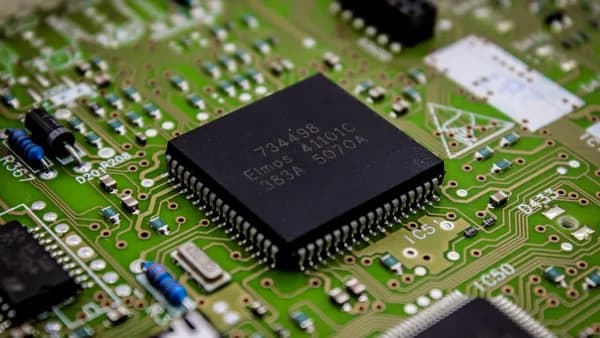
Chipmakers are posting record-breaking quarters, riding a wave of AI-driven demand that shows no sign of cresting. Nvidia, the poster child for this boom, stunned again last week: revenue for Q1 surged 262% year-over-year to $26 billion, with data center sales—powered by generative AI—making up over 80% of that haul. AMD followed suit, reporting its own data center chip revenue up 80% from a year ago. Even legacy players like Micron and TSMC have joined the rally, with Micron swinging to a profit for the first time since 2022 and TSMC’s April sales up 60% year-over-year.
The catalyst is clear: AI workloads are voracious, and nothing feeds them like high-end semiconductors. Data centers are scrambling to buy up Nvidia’s H100s and AMD’s MI300s, which power everything from ChatGPT to autonomous driving platforms. Consumer electronics are following: Apple’s M4 chip, built for on-device AI, debuted to much fanfare in the new iPad Pro. Automakers like Tesla and BYD are pouring billions into AI-powered driver assistance, sparking fresh orders for custom silicon.
Investors have noticed. The Philadelphia Semiconductor Index surged 18% since January, outpacing the S&P 500. But the enthusiasm cuts both ways: any sign of softening demand or supply chain hiccups sparks sharp selloffs, as seen when Intel issued a muted outlook and lost $20 billion in market cap overnight. As Yahoo Finance reports, the market is treating each earnings call as a referendum on whether the AI rally is peaking—or just getting started.
Musk vs. Altman: Two AI Titans, One Escalating Feud
The rivalry between Elon Musk and Sam Altman has become a central spectacle in tech, and it’s not just about personalities. Their public and private spats have escalated, with Musk filing a lawsuit against OpenAI (and Altman) in March, claiming the company strayed from its nonprofit mission. The legal battle triggered a flurry of statements: Altman retorted that Musk once tried to take over OpenAI, while Musk accused Altman of putting profit over safety.
Their visions for artificial intelligence couldn’t be further apart. Altman, now flush with Microsoft’s backing, pushes for rapid, commercial deployment—arguing that broad access to powerful AI models democratizes innovation. Musk, meanwhile, warns of existential risks and touts his own startup, xAI, as a safer alternative. He’s promised to open-source xAI’s Grok model and restrict its use for “truthful” information, a jab at what he calls OpenAI’s “woke” alignment.
This feud has real consequences for the industry. Altman’s OpenAI sets the pace in AI model releases and enterprise deals, while Musk’s moves—like poaching talent, launching Grok on X, and attacking OpenAI’s board—stir market volatility. Investors are watching the drama: OpenAI’s last tender valued it at $86 billion; xAI reportedly seeks to raise $6 billion. Every tweet and interview moves markets and shapes how regulators and the public think about AI’s future. The fight isn’t just personal—it’s a clash of philosophies with billions in capital at stake.
Tech Stocks Today: Earnings and Egos Shake Market Sentiment
Tech stocks are moving in lockstep with the latest chip earnings and the Musk-Altman drama. Nvidia jumped 9% after its blowout results, adding $200 billion in market cap in a single day. AMD and TSMC tracked higher too, buoyed by analyst upgrades. But the gains are uneven: Intel’s weak forecast knocked its shares down 12%, and cloud providers like Amazon and Alphabet saw mixed reactions as investors parse how much AI spend translates into actual profit.
The Musk-Altman feud is also rattling nerves. OpenAI’s Microsoft partnership keeps MSFT shares near record highs, but the specter of lawsuits and regulatory scrutiny—fueled by Musk’s broadsides—has some investors bracing for turbulence. Tesla stock, meanwhile, has been whipsawed by Musk’s AI pronouncements and his shifting focus between cars and xAI. Some analysts warn that the leadership chaos could spook institutional money, especially if AI safety debates trigger new regulation.
Marketwide, the AI boom is still driving the narrative. The Nasdaq is up 14% YTD, heavily weighted by chipmakers and cloud giants. Yet there’s a whiff of FOMO: money managers who missed the early rally are piling into semiconductor ETFs, while short interest in laggards like Intel and IBM creeps higher. Analysts at Morgan Stanley say the sector’s next leg up depends on new AI use cases—especially in healthcare, manufacturing, and the edge—materializing faster than expected. In other words: the market is betting that the AI arms race is only just beginning, but any sign of friction—be it from boardroom feuds or supply chain snags—could trigger a sharp reversal.
What Chipmakers and Tech Power Struggles Reveal About AI’s Trajectory
The surge in semiconductor earnings is the clearest signal yet that the AI economy is moving from hype to dollars. Chip shortages are now a bottleneck for innovation, not just a supply chain headache. That means the companies that can secure the best silicon—whether for training LLMs, running autonomous fleets, or powering next-gen smartphones—will dictate the pace of AI’s rollout.
Musk and Altman’s high-profile feud isn’t just a sideshow. It encapsulates the deeper tension between open versus closed development, profit versus safety, and centralized versus distributed control. Their battle is a proxy for the choices every tech leader faces as AI becomes more powerful—and more lucrative. The fact that investors are scrutinizing every move, from legal filings to hiring wars, shows how much leadership and vision matter in this cycle.
For investors and tech stakeholders, one lesson is clear: watch the chipmakers and the AI architects. Durable gains will accrue to those who can turn AI’s insatiable appetite for compute into defensible business models. But volatility will remain high, as the next great leap in AI could come from a lab spat or a supply chain pivot as much as a product launch. The next twelve months will likely sharpen the divide between pretenders and true winners—across both silicon and strategy.
The Bottom Line
- Explosive AI demand is supercharging semiconductor company earnings and stock performance.
- Investors are closely watching chipmaker results as a barometer for the AI market’s momentum.
- The outcome of Musk vs. Altman’s feud may shape the direction and pace of AI innovation.