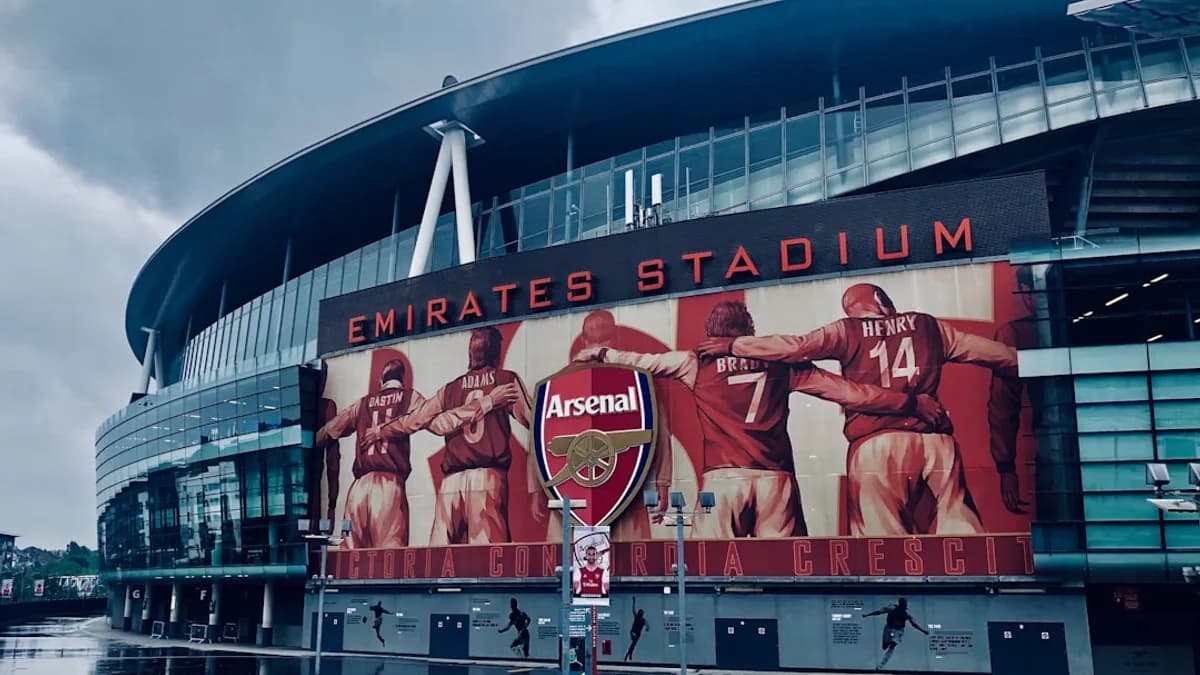
Arsenal vs Atlético Madrid: Europe's Most Contrasting Semifinal Heavyweights Collide
Arsenal and Atlético Madrid’s Champions League semifinal isn’t just a clash of clubs—it’s a collision of tactical philosophies, resource allocation, and continental ambitions, with over €1.2 billion in squad value on the pitch and a combined 17 European finals between them. This matchup lands at a moment when both clubs are recalibrating their continental narratives: Arsenal seeks its first Champions League final since 2006, while Atlético, under Diego Simeone, aims to return to the summit after falling short in two recent finals (2014, 2016). The stakes are sharpened by the financial and reputational gulf: the winner stands to claim at least €15 million in UEFA prize money and a marketing uplift that can shift commercial deals for years.
The timing is critical. Arsenal, fueled by Premier League broadcasting riches and post-pandemic spending, has invested over €450 million in transfers since 2021, targeting a younger, data-focused core under Mikel Arteta. Atlético, meanwhile, rides La Liga’s more conservative financial model but compensates with defensive steel and tactical discipline, evidenced by conceding just 0.84 goals per Champions League game this season—second only to Manchester City. The contrast isn’t just stylistic; it’s structural. As the Champions League’s new format looms for 2027, this semifinal is a referendum on which model—expansive youth-driven investment or pragmatic, system-first continuity—delivers sustainable elite success according to The Guardian.
Arsenal and Atlético Madrid: Tactics, Talent, and Bench Depth Compared
Tactical DNA: High Press Meets Low Block
Few fixtures pit such diametrically opposed tactical ideologies. Arteta’s Arsenal presses high (PPDA: 9.1, third in the UCL), keeps the ball (average possession: 62%), and averages 2.1 xG per game in Europe—a stark contrast to Atlético’s 41% possession and 1.3 xG output. Arsenal’s attacking buildup features inverted fullbacks, with Ben White and Oleksandr Zinchenko pushing inside to overload the midfield, while Martin Ødegaard’s progressive passes (averaging 6.7 per 90) break lines.
Atlético’s template is classic Simeone: compact 4-4-2, disciplined defensive lines, and quick transitions. Their PPDA (Passes Per Defensive Action) stands at 14.2, reflecting a deep block that frustrates and then counterpunches. Antoine Griezmann, now operating as a roaming 10, leads both chance creation (2.9 key passes per 90) and pressing triggers. Their set-piece threat remains lethal: 23% of Champions League goals this season arrived via dead-ball situations.
Squad Quality and Market Value
| Club | Squad Market Value | Avg. Age | Top Scorer (Europe) | Int'l Caps | Most Valuable Player |
|---|---|---|---|---|---|
| Arsenal | €1.12bn | 24.3 | Gabriel Jesus (6) | 438 | Bukayo Saka (€120m) |
| Atlético | €697m | 27.7 | Antoine Griezmann (5) | 601 | Antoine Griezmann (€60m) |
Arsenal’s squad is the youngest remaining in the final four, with six starters under 25. Depth is provided by the likes of Leandro Trossard (13 goal involvements in all comps) and Jorginho, while William Saliba has anchored a defense that’s kept nine clean sheets in 12 UCL games.
Atlético’s experience is unrivaled: four players with over 80 Champions League appearances, and a core that’s played together for at least three seasons. Jan Oblak remains Europe’s most consistent shot-stopper (UCL save percentage: 81%), while Marcos Llorente and Koke provide tactical flexibility across midfield and wing-back roles see NBC Sports.
Managerial Experience and Influence
Mikel Arteta, in only his fourth full season as a head coach, has guided Arsenal to their deepest European run in 18 years. His win rate in Europe stands at 63%, and his side has scored 17 second-half goals—reflecting in-game tactical adaptability.
Diego Simeone is the most experienced manager left in the competition, logging 114 Champions League matches with Atlético. His knockout win rate (58%) and history of tactical tweaks (switching between 4-4-2 and 3-5-2) make him one of the most unpredictable postseason operators.
Semifinal Showdown: Data-Driven Performance and Head-to-Head Benchmarks
European Campaigns: Path to the Semifinal
Arsenal’s route included group-stage wins over Sevilla and PSV, and a dramatic quarterfinal penalty shootout victory against Bayern Munich. Their expected goals tally (24.6) ranks second in the tournament, and they’ve created 42 big chances—nine more than Atlético. Defensively, they’ve allowed only 7.8 xG, the lowest in the competition.
Atlético’s path was more attritional: narrow escapes against Inter Milan (winning on penalties) and a gritty aggregate win over Borussia Dortmund. They’ve kept five clean sheets and won 55% of aerial duels, but have conceded 12 goals—double Arsenal’s total. Their overperformance against xG (scored 18, xG 16.1) hints at clinical finishing, but also potential reversion risk.
Head-to-Head Record and Recent Form
Historically, Atlético edge the modern head-to-head, knocking Arsenal out in the 2018 Europa League semifinals (2-1 on aggregate) and remaining unbeaten in the last three meetings. At home, Arsenal have lost only once in European competition since 2022, while Atlético’s away record in England is mixed (W2, D2, L3 over five years).
Recent domestic form is nearly even. Arsenal finished second in the Premier League, with a +46 goal difference and the league’s second-best defense. Atlético claimed third in La Liga, but dropped points against relegation candidates and leaked 11 goals in their last seven away matches. Momentum slightly favors Arsenal, but Atlético’s knockout experience weighs heavily.
Individual Matchups: Who Tilts the Balance?
- Bukayo Saka vs. Mario Hermoso: Saka leads Arsenal for dribbles completed (2.7 per 90) and shot-creating actions, while Hermoso’s defensive recoveries (7.2 per 90) and progressive passing will be tested.
- Declan Rice vs. Koke: Rice has averaged 9.8 ball recoveries per match and progressed play with a 93% pass completion, facing off against Koke’s tactical fouling and distribution.
- Aubameyang vs. Savic: Arsenal’s attack is less reliant on a single finisher, but Gabriel Jesus and Trossard (combined 10 UCL goals) will need to break Savic’s disciplined line.
Revenue, Squad Bill, and the Commercial Stakes of Progression
Financial Muscle and Wage Structure
Arsenal’s wage bill stands at €206 million per year, with heavy investment in player renewals and a focus on homegrown talent (five academy graduates in the matchday squad). Matchday income, boosted by Emirates Stadium’s 60,000 capacity, generated €110 million last season—critical for FFP compliance and squad investment.
Atlético operate on a tighter budget: €155 million annual wage spend, with over 60% allocated to the first XI. Sponsorship deals, anchored by Plus500 and Nike, lag behind Arsenal’s £70 million-per-year Emirates kit partnership. Reaching the final would boost projected commercial income by an estimated €20 million for either club, but the impact is more pronounced for Atlético, whose reliance on Champions League income is higher (33% of total revenue) versus Arsenal’s 21% see Al Jazeera.
Transfer Window Implications
Victory supercharges summer transfer plans. Arsenal are tracking a new striker (rumored €90 million budget), with Champions League success pivotal in fending off bids for Saka and Saliba. Atlético, by contrast, face the risk of losing Griezmann or Oblak if they miss out on the final, triggering a potential squad rebuild.
Prize Money and Long-Term Value
Champions League finalists earn at least €15.5 million in additional UEFA prize money, not including gate receipts or broadcast bonuses. The winner of this semifinal could see up to a 15% bump in shirt sales in key markets (Asia, North America), based on historical precedent from Liverpool’s 2018 run and PSG’s 2020 surge.
Who Advances: Tactical Fit, Experience, and Market Strategy
Who Thrives in a High-Press Game?
If the match opens up, Arsenal’s youth and verticality give them the edge. Their high press and technical midfield can overwhelm Atlético’s aging core, especially if forced to chase the game. Arsenal’s xG differential (+16.8) and home form are strong predictors of success when allowed to dictate tempo.
Who Survives a War of Attrition?
In a tactical chess match, Atlético’s experience and Simeone’s pragmatism could suffocate Arsenal’s creativity. Their record in tight knockout ties (seven wins from their last nine decided by one goal or less) is unmatched. Atlético’s set-piece prowess and Griezmann’s ability to conjure goals from compressed spaces make them dangerous when the margins are tight.
Squad Depth and “Plan B” Options
Arsenal’s bench is deeper, with Trossard, Smith Rowe, and Jorginho able to change games. Atlético’s options are thinner; an injury to Griezmann or Oblak would dramatically reduce their ceiling. However, Ángel Correa and Pablo Barrios have both scored from the bench this season, offering late-game disruption.
Verdict: Arsenal’s Ceiling, Atlético’s Floor
For investors, sponsors, and analysts, Arsenal represents the higher-upside play: greater market value, a younger core with resale yield, and a tactical system trending with elite European clubs (see Manchester City, Bayern Munich). Atlético’s floor is higher—predictable, defensively sound, and less prone to volatility, but potentially capped in upside unless Griezmann delivers a masterclass.
Prediction: Arsenal’s superior home form, tactical flexibility, and squad depth should edge out Atlético’s experience in a two-legged tie—especially if they score first. Expect a narrow aggregate win for Arsenal, with a 3-2 scoreline across both legs.
Forward implication: A Champions League final appearance will boost Arsenal’s squad retention and commercial deals, positioning them as a long-term fixture among Europe’s elite. Atlético, unless they adapt their tactical template and refresh their core, risk being left behind as spending and youth development accelerate across the continent.
Sources: