Dreame’s Bold Entry into the Global Tech Arena
Dreame, a Chinese startup that makes robot vacuums, just spent $10 million on a Super Bowl ad—its first big splash in the US [Source: The Verge]. That’s a huge gamble for a company most Americans have never heard of. The ad lasted only 30 seconds, but Dreame hopes it will change everything.
Instead of slowly building its brand, Dreame wants to jump straight into the spotlight. The company’s leaders believe they can become a global tech giant. They’re betting this pricey ad will help people remember their name, much like Apple’s famous Super Bowl commercial in 1984. But if it flops, Dreame could end up like Quibi—a startup that spent big on ads but faded fast.
The stakes are high. Dreame’s bold move shows how some tech startups are willing to risk everything for a shot at worldwide fame. Now, the world is watching to see if Dreame’s gamble pays off.
Dreame’s Market Position and Product Innovation in Robot Vacuums
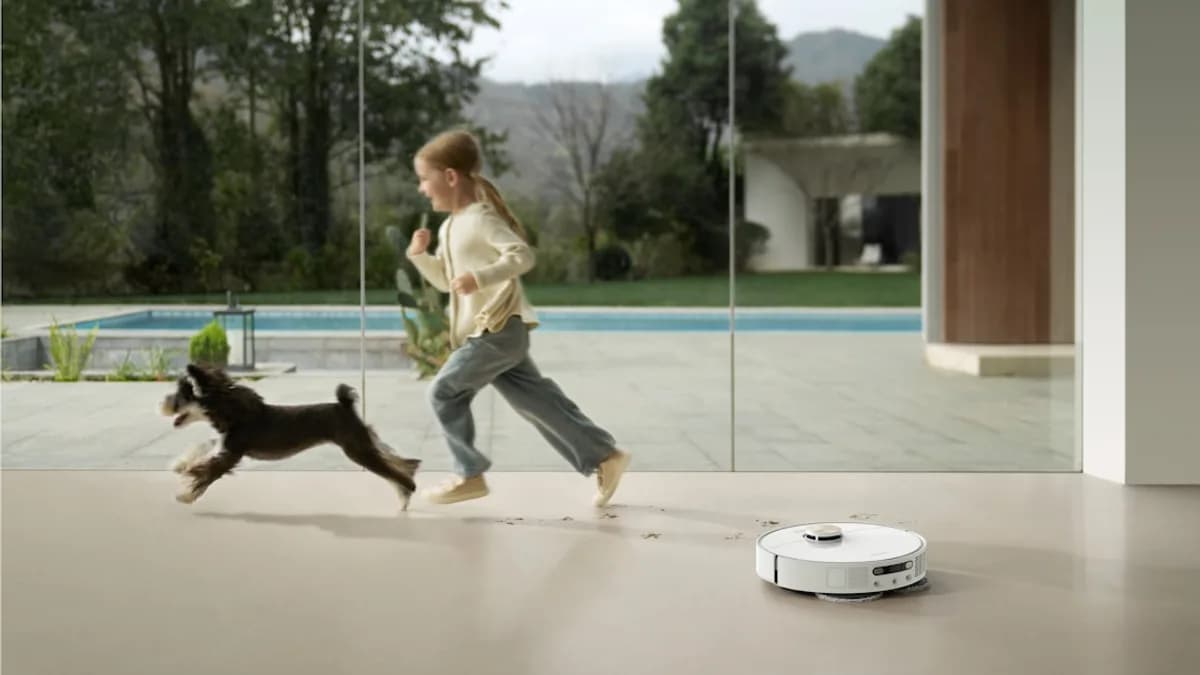
Dreame is not (yet) a household name outside China, but it's making waves in the robot vacuum market. The company builds smart vacuums that can clean floors on their own, using sensors and AI to avoid obstacles. Dreame’s products compete with well-known brands like iRobot, Roborock, and Ecovacs.
What sets Dreame apart is its focus on high-tech features. Many of its vacuums offer strong suction power, mop functions, and easy app controls. Some models use advanced mapping technology to remember your home’s layout and clean more efficiently. For example, the Dreame Bot L10s Ultra can mop, vacuum, and even empty its own dust bin, which saves users time [Source: The Verge].
Dreame’s approach is to pack its machines with features usually found in expensive models but sell them at lower prices. This strategy helps Dreame grab attention among buyers who want smart cleaning but don’t want to pay a premium. By pushing rapid product updates and innovations, Dreame hopes to stand out from rivals that sometimes move slower.
The company’s roadmap goes beyond vacuums. Dreame’s Super Bowl ad hinted at a bigger future, including plans to enter markets like hypercars and other consumer electronics. This move is ambitious, but it also shows Dreame’s desire to become more than just a cleaning company. If Dreame succeeds, it could become a tech powerhouse like Xiaomi or Samsung—brands that started with one product and then expanded into many.
The Strategic Significance of a Super Bowl Ad for a Tech Startup
The Super Bowl is the biggest stage for advertising in America. Over 100 million people watch the game each year. Dreame chose this moment for its US debut, spending $10 million for a 30-second spot [Source: The Verge]. That’s a bold strategy, especially for a startup.
Most tech startups build their brand slowly. They rely on online ads, social media, and word of mouth. But Dreame skipped all that and went straight for maximum exposure. The company wants millions of Americans to know its name overnight.
This plan has risks. Super Bowl ads grab attention, but they don’t guarantee customers. Dreame could get lost among other flashy commercials, or people might forget the brand after the game. Remember Quibi? That startup spent big on a Super Bowl ad, but it failed to build lasting interest and shut down soon after.
Still, the rewards could be huge. If Dreame’s ad sticks, it could give the company a head start in a crowded market. Successful Super Bowl ads have launched brands like Apple and GoDaddy. Dreame’s leaders are betting that a strong first impression will help them break into the US, Europe, and beyond.
In the tech world, few startups try this “go big or go home” strategy. Most save their money for product development. Dreame’s move sets a new bar for risk-taking in startup marketing.
CEO Ambitions: Positioning Dreame as the ‘Chinese Elon Musk’
Dreame’s CEO, Yu Hao, wants to be known as the “Chinese Elon Musk” [Source: The Verge]. He’s not shy about his vision. Yu Hao says Dreame will evolve from robot vacuums to hypercars and other high-tech products. He wants the company to be a leader in innovation, much like Musk’s Tesla and SpaceX.
This ambition shapes how investors and customers see Dreame. Comparing Dreame’s leadership to Elon Musk sets very high expectations. Musk is known for bold ideas, fast growth, and shaking up old industries. Dreame’s CEO hopes to bring that same energy to consumer electronics.
But this kind of vision is a double-edged sword. Investors may be excited, but they’ll also demand strong results. Consumers may expect Dreame to solve big problems and launch cool new products. Dreame must work hard to deliver on these promises.
Yu Hao’s public statements make Dreame’s goals clear. The company wants to be a tech giant, not just a vacuum maker. This mindset could help Dreame attract talent, funding, and partners. It could also push the company to innovate faster.
Challenges and Risks Facing Dreame’s Global Expansion
Dreame faces many hurdles as it tries to go global. The robot vacuum market is crowded. Companies like iRobot, Roborock, Shark, and Ecovacs already have loyal customers and strong reputations. Dreame must convince buyers to switch to a new brand.
Getting people to trust Dreame is hard. Many shoppers prefer brands they know, especially for expensive gadgets. Dreame’s Super Bowl ad may help with name recognition, but it doesn’t guarantee trust. The company needs good reviews, strong customer support, and reliable products to win over buyers.
Spending big on ads before building loyalty is risky. If Dreame’s products don’t match the hype, customers may feel disappointed. Quibi’s story is a warning: a flashy launch can’t save a weak product.
Dreame also faces challenges from outside forces. As a Chinese tech company, Dreame must deal with supply chain issues, tariffs, and sometimes political tension. Recent US bans on brands like Huawei and TikTok show how quickly things can change. Dreame must be ready to handle these risks.
Another concern is keeping up with innovation. In tech, companies that stop innovating get left behind. Dreame must keep improving its products and expanding its lineup, or risk losing ground to rivals.
Implications for the Consumer Electronics Industry and Future Tech Giants
Dreame’s marketing gamble could change how tech startups grow. If Dreame’s Super Bowl ad works, more startups may try big, splashy launches instead of slow builds. This could make the tech world more competitive, with new brands racing for attention.
The robot vacuum market shows how fast companies can grow with the right mix of innovation and marketing. Dreame’s push toward smart home devices and even hypercars hints at a future where companies start with one product, then expand into many areas—like Xiaomi, which moved from phones to TVs, scooters, and more.
If Dreame succeeds, it could inspire other startups to dream bigger. Investors may look for companies willing to take risks and chase global fame. Tech giants like Apple and Samsung started with strong products and bold marketing; Dreame hopes to follow that path.
But if Dreame fails, it may remind startups that big bets don’t always pay off. Building trust and a strong product lineup still matter. The story of Quibi shows that splashy ads can’t fix weak business models.
For consumers, Dreame’s entry could mean more choices and smarter gadgets. Robot vacuums are just the start. If Dreame expands, shoppers may see new devices, better features, and lower prices as competition heats up. The tech industry could become more dynamic, with fresh ideas and faster innovation.
Conclusion: Weighing Dreame’s Gamble and Its Potential Legacy
Dreame’s $10 million Super Bowl ad is one of the boldest moves a tech startup can make. The company is betting that massive exposure will launch it into the global spotlight. Dreame’s vision, led by a CEO who wants to be the “Chinese Elon Musk,” is clear: shake up the robot vacuum market, expand into new tech, and become a top name in consumer electronics.
The plan is risky. Dreame faces tough rivals, uncertain brand loyalty, and geopolitical challenges. If the gamble works, Dreame could inspire a new wave of startups to aim higher and market bigger. If not, Dreame may join the list of companies that shot for fame but missed.
Whatever happens, Dreame’s story shows how the tech world is changing. Startups don’t always play it safe—they sometimes risk everything for a chance to win big. For buyers, this means more choices and faster innovation. For founders and investors, Dreame’s bold play is a lesson in what’s possible—and what’s at stake—when betting on the next global tech giant.
Why It Matters
- Dreame's $10M Super Bowl ad shows how startups try to quickly gain global recognition.
- Robot vacuum competition is heating up, with Dreame challenging established brands through innovation and pricing.
- Consumers benefit as brands like Dreame push for more features at lower prices in smart home tech.