Introduction to ARK Invest’s First Lead Investment in Lucra
Cathie Wood’s ARK Invest just made its first lead investment in a startup—and it wasn’t in AI. ARK picked Lucra, a young company that blends corporate loyalty programs with interactive eSports. Lucra’s approach is simple: make rewards feel like a game. This move marks a big shift for ARK, which is known for backing firms working on artificial intelligence, robotics, and genomics. By leading Lucra’s funding round, ARK is showing it’s ready to mix up its portfolio and chase new kinds of tech innovation [Source: TechCrunch]. Investors and corporate leaders are watching closely. This could open the door to fresh ideas in how brands keep employees and customers engaged.
How Lucra Reinvents Corporate Loyalty with Interactive eSports
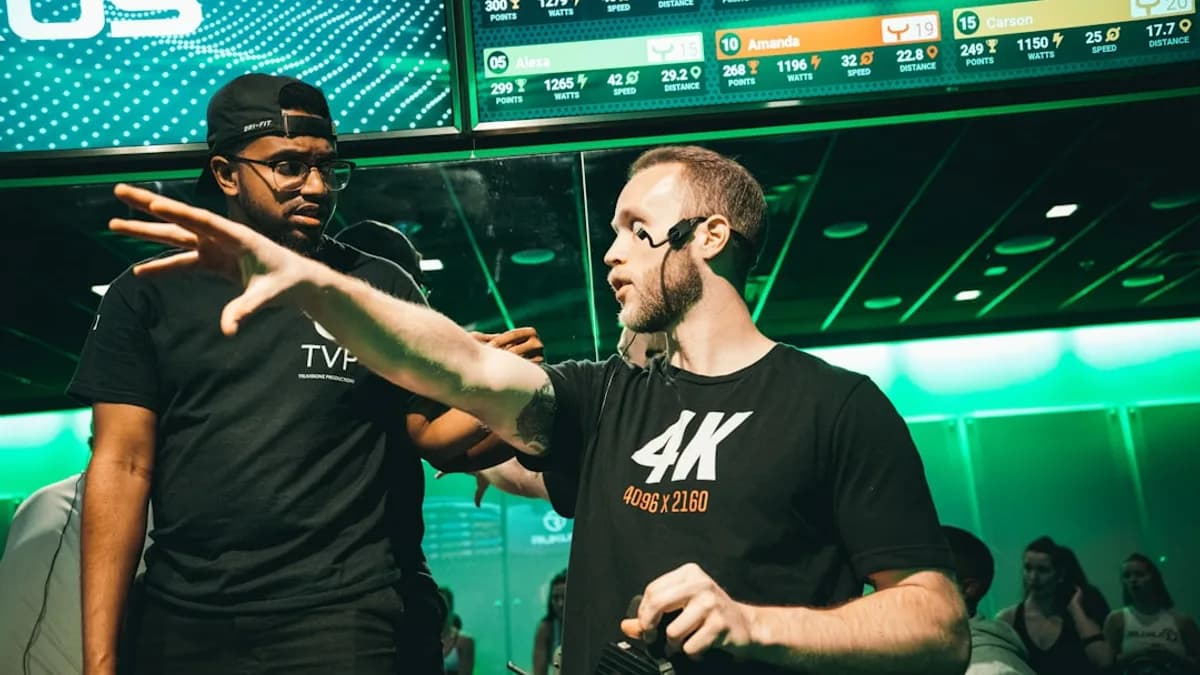
Lucra’s business model is built on turning old loyalty programs into eSports competitions. Instead of just earning points or badges, users join games and challenges that reward them for hitting goals or showing skill. Imagine a company holding a virtual tournament where employees compete in friendly digital games—winners get perks, prizes, or bragging rights. Lucra’s platform tracks scores, ranks players, and encourages everyone to join in.
This twist on loyalty makes rewards feel more exciting and personal. Gamified programs are popular now because they drive participation. Studies show that adding game elements to work or shopping boosts engagement and satisfaction [Source: TechCrunch]. For example, Starbucks and Nike use apps with challenges and leaderboards to keep customers coming back.
Lucra’s platform stands out because it uses eSports, a fast-growing industry. Global eSports revenue hit $1.38 billion in 2023, and millions tune in to watch games online. By mixing eSports with loyalty, companies can reach younger workers and customers who already love gaming. It’s also a way to build team spirit in remote or hybrid workplaces. For companies, the payoff is more loyal employees and customers. For users, it means rewards feel less like chores and more like play.
Behind the Scenes: The Challenge of Securing ARK’s Lead Investment
Winning ARK as a lead investor was not easy for Lucra. ARK has a reputation for picking startups in hot fields like AI and genomics. Lucra had to prove it could be just as disruptive, even without a direct AI angle. The competition was tough—many startups pitched their ideas to ARK, hoping to get the nod.
ARK’s team looks for bold ideas, strong leadership, and clear potential to scale. Lucra stood out because it brought a fresh take to an old problem: keeping people engaged. Cathie Wood has said she’s open to “breakthrough innovation” wherever it appears, not just in AI [Source: TechCrunch]. Lucra’s use of eSports made it unique. It wasn’t just another app—it was a new way to connect people and drive loyalty.
Lucra’s founders shared data showing strong user engagement and interest from big brands. They also showed how their platform could fit into ARK’s vision for the future of work and consumer tech. ARK liked that Lucra could help companies build culture and keep teams motivated—especially as remote work grows. The investment shows ARK’s willingness to look beyond AI and robotics for the next big thing in tech.
Implications of ARK’s Investment for the Corporate Loyalty and eSports Markets
ARK’s backing could help Lucra grow fast and push other companies to try gamified loyalty programs. Venture capital firms often set trends, and when a big name like ARK invests, others pay attention. This could spark more interest in platforms that use games to boost employee and customer loyalty.
For the eSports industry, Lucra’s approach adds a new layer. Most eSports companies focus on tournaments with pro gamers. Lucra uses eSports as a tool for everyday engagement—not just for fans, but for regular workers and customers. This could expand the market, making eSports part of daily life in offices and stores.
Corporate marketing strategies may also change. Brands spend billions on loyalty programs, but many of them feel stale. Gamified tactics—with real-time leaderboards, team challenges, and rewards—could make programs more effective. Companies might use Lucra’s platform to run contests, reward top performers, or build friendly rivalries between teams. This is especially useful in remote and hybrid workplaces, where building culture is harder.
ARK’s investment sends a signal to venture capitalists: it’s time to look beyond AI and robotics. As the tech market matures, investors want diversity in their portfolios. Gamification, eSports, and interactive rewards are all part of this shift. In the past, loyalty programs were simple—points, coupons, maybe a birthday gift. Now, they can feel like a game, with winners and real excitement.
If Lucra succeeds, others may follow. We could see more startups mixing games with work and shopping, more companies trying creative ways to keep people engaged. It’s a reminder that tech isn’t just about algorithms—it’s about human motivation and fun.
Conclusion: What Lucra’s Partnership with ARK Means for the Future
ARK’s lead investment in Lucra is a milestone for both firms. It shows ARK is ready to back new ideas, not just chase AI trends. For Lucra, the partnership brings money, credibility, and a chance to scale. For the tech world, it’s proof that gamification and eSports can change how companies build loyalty.
This deal may inspire other investors to look for innovation beyond AI, robotics, and genomics. As remote work grows and more people crave fun, interactive rewards, Lucra’s model could catch on fast. The ARK-Lucra deal is more than just a funding round—it’s a sign that tomorrow’s loyalty programs will feel more like games, less like chores. Keep an eye out for more startups turning work and shopping into play. The next big thing in tech might be about winning, not just working.
Why It Matters
- ARK Invest's lead in Lucra signals a shift toward new tech sectors beyond AI.
- Lucra's model could transform how companies engage employees and customers through gamification.
- The investment highlights the growing influence of eSports in mainstream business strategies.