Why AI Agents Sparked an Unprecedented Surge in Startup Innovation at Consensus Miami
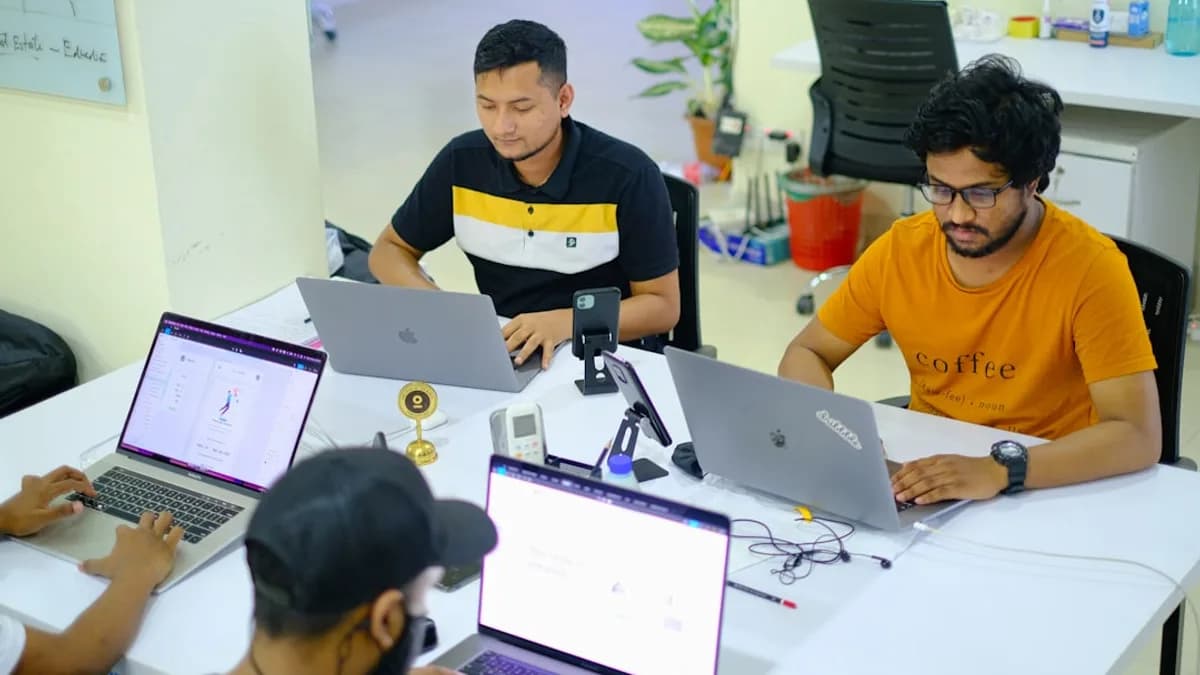
Nearly 1,000 developers converged at the Consensus Miami EasyA hackathon, overwhelming the venue with one clear obsession: building around AI agents. The sheer turnout signals that AI agents are more than a passing fascination—they’ve become the catalyst driving rapid startup ideation and experimentation. As CoinDesk reports, the event drew not just crypto natives but heavyweights from Microsoft, Google, Base, Solana, and other ecosystems.
The hackathon format, with its high-pressure deadlines and cross-pollination of ideas, is ideal ground for AI agent innovation. Teams scramble to turn concepts into demos in days, not months. This year, the focus didn’t just create more projects—it sparked a technical arms race to see who could push agent capabilities furthest. MLXIO analysis: The cultural moment for AI agents is peaking. Developers sense that whoever masters this tech now could own the next wave of startup growth.
Yet the specifics of what was built remain unclear. The source doesn’t break down product types or use cases, but the collective energy was unmistakable. In this context, AI agents are not just tools—they’re rocket fuel for new ventures.
Crunching the Numbers: Developer Participation and Ecosystem Diversity at EasyA Hackathon
Scale matters. Nearly 1,000 developers competed—a volume that puts this event in the top tier of hackathons worldwide. Participants didn’t just come from local Miami meetups; they represented heavyweight ecosystems like Base and Solana, with teams also arriving from Microsoft and Google. That concentration of talent from both crypto and Big Tech underscores the gravitational pull of AI agents right now.
The source highlights that most teams raced to build on the AI agent theme. While we lack a hard count of projects, the implication is clear: the majority of submissions were AI agent-driven. MLXIO interpretation: This level of focus suggests a shift in hackathon culture, where a single emergent technology can dominate the creative agenda across otherwise diverse backgrounds.
What’s missing is granular detail—no breakdown of which ecosystems produced the most projects, or whether Big Tech participants were moonlighting or officially representing their employers. But the raw turnout signals broad buy-in across the innovation spectrum.
Diverse Stakeholder Perspectives on the AI Agent Startup Boom at Consensus Miami
Developers, many from high-profile tech companies, poured their energy into AI agents not because of a mandate, but because they see real upside. For major sponsors like Microsoft and Google, fielding developers at a public hackathon is both a scouting mission and a brand play—they want to be seen at the frontier of agent tech.
From the ecosystem side, Base and Solana’s presence indicates a race to attract agent-driven startups to their platforms. MLXIO inference: For these chains, winning the hearts of AI-native founders could mean long-term developer lock-in and network value.
Feedback from founders and investors isn’t detailed in the source, but it’s easy to extrapolate: at an event this size, the sheer volume of demos means some projects will attract post-hackathon attention. The question is whether quality keeps pace with quantity—a known tension in hackathons that go all-in on a trend.
Tracing the Evolution: How AI Agents Have Transformed Hackathon Dynamics Over Recent Years
Compared to previous hackathons, the singular focus on AI agents marks a turning point. The source makes clear that AI agents weren’t just a track—they were the main event. This is a sharp contrast to past years, where themes were broader or split across DeFi, NFTs, or infrastructure.
The technological leap that made this possible? Likely the recent advances in agent frameworks and LLM APIs, which let teams build functional prototypes in a weekend. MLXIO analysis: Hackathon culture is shifting from “what can you demo with off-the-shelf tools?” to “how far can you push next-gen AI in 48 hours?”
Participant motivations are changing, too. Developers now see hackathons as a launchpad for agent-first startups, not just as résumé-padding or prize-chasing. This convergence of tech and ambition is what makes Consensus Miami stand out.
What the AI Agent Startup Explosion Means for Developers and the Broader Tech Industry
For developers, the message is unambiguous: fluency in AI agents is no longer optional for those chasing the next big thing. Startup skillsets are tilting from “can you ship a web app?” to “can you orchestrate autonomous agents?” MLXIO interpretation: Expect this to shape hiring, team composition, and even the definition of a “full-stack” developer.
Startup ecosystems are on notice. The influx of agent-driven products will attract venture interest, but also raise the bar for differentiation. If everyone is building with the same playbook, what wins is execution and vertical focus.
For the broader tech industry, this hackathon signals that agent innovation cycles have compressed—what once took months now materializes in a weekend sprint. The competitive clock is ticking faster, and incumbents have to respond or risk missing the next S-curve.
Forecasting the Future: How AI Agents Could Reshape Startup Culture and Tech Innovation Post-Consensus Miami
If the Consensus Miami hackathon is any indicator, the next wave of startups will be agent-native from day one. Expect new categories of products—and possibly, entirely new business models—emerging from this initial frenzy. MLXIO analysis: Hackathons like EasyA are acting as accelerators, rapidly pressure-testing what’s possible with agent tech.
Sustaining this momentum will depend on two things: whether agent frameworks keep lowering the barrier to entry, and whether the broader market finds real value in what’s being built. There’s also a risk of hype outpacing substance—a common pitfall when a single technology dominates the zeitgeist.
What to watch: Will the most promising hackathon projects convert into funded startups with real users? Will ecosystems like Base and Solana successfully anchor agent innovation to their platforms? Evidence of commercial traction, not just technical demos, will determine if this hackathon marks a turning point or just a spike of enthusiasm.
What We Know, Why It Matters, What Is Still Unclear, and What To Watch
What we know: Consensus Miami’s EasyA hackathon drew nearly 1,000 developers, most building around AI agents, from platforms and companies spanning Base, Solana, Microsoft, and Google. The event was a magnet for talent and experimentation.
Why it matters: The scale and uniform focus on AI agents marks a shift in both developer priorities and hackathon culture—signaling where the smartest teams believe the next wave of disruptive startups will come from.
What is still unclear: The source does not specify which projects stood out, how many were viable beyond the hackathon, or how different ecosystems performed. No details on investment outcomes or user adoption.
What to watch: Track which hackathon products gain traction post-event. Watch how Base and Solana capitalize on agent-driven developer interest. Look for signals that AI agent startups are moving from prototype to market fit. The next few months will reveal whether this was a flashpoint or the start of sustained innovation.
The Bottom Line
- AI agents are driving unprecedented innovation and startup activity in tech and crypto.
- The event’s massive turnout highlights surging interest from both Big Tech and blockchain ecosystems.
- Mastering AI agent technology now could shape the next generation of high-growth startups.