Why Did Parker’s Promising Fintech Venture Collapse Despite Strong Funding?
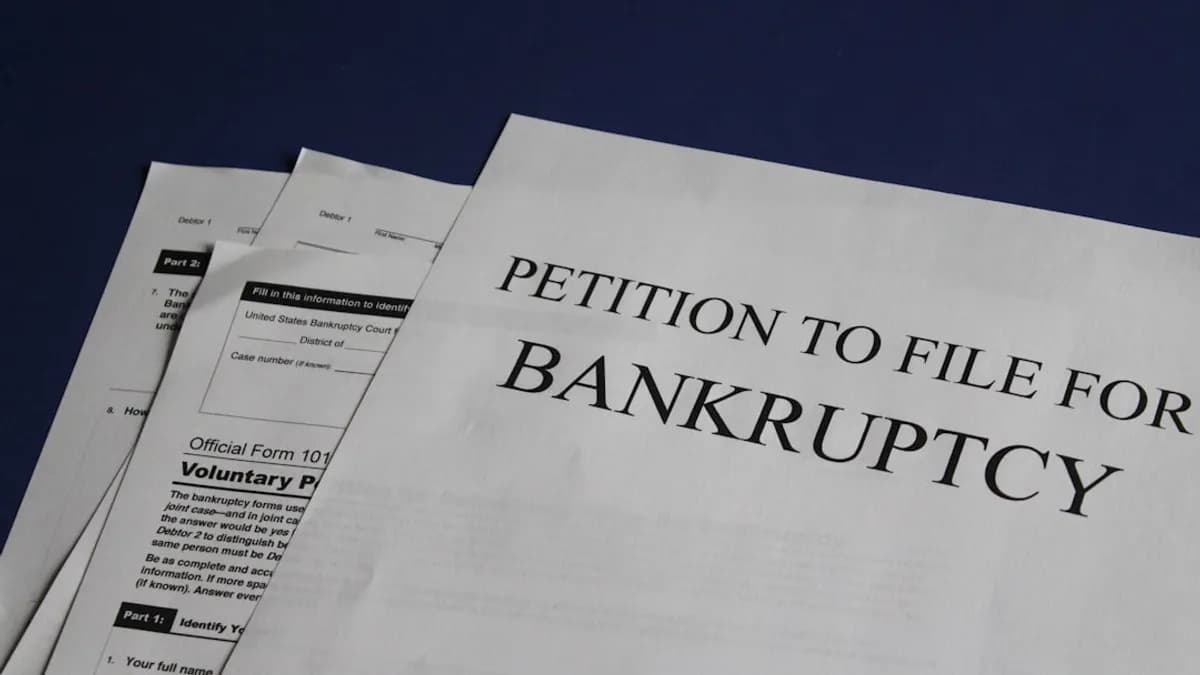
Parker raised significant capital, built a suite of corporate credit cards and banking services, and still ended up in bankruptcy court—a collapse that exposes just how little funding alone can guarantee in fintech. The disconnect is stark: investors bet on a well-funded venture, clients signed up for modern payment tools, and yet Parker has not only filed for bankruptcy but is also widely reported to have shut down, according to TechCrunch.
The collapse underscores a hard truth: operational sustainability can’t be bought by large checks. The source does not detail internal missteps or market dynamics, so any specific causes behind Parker’s bankruptcy remain out of view for now. Still, the news signals that even with ample resources, execution risk in fintech is real—and unforgiving.
Crunching the Numbers: Financial Data Behind Parker’s Bankruptcy Filing
There’s a frustrating lack of hard numbers. The only fact on the table: Parker was “well-funded.” No amounts, no investor lists, no details on runway, cash burn, or outstanding liabilities in the bankruptcy proceedings are available via the source. No metrics on Parker’s balance sheet or P&L, so direct comparisons to industry benchmarks aren’t possible.
This vacuum makes it impossible to connect the dots between capital raised and capital spent, or to gauge whether Parker’s burn rate was reckless or simply unlucky. We don’t know who backed them or how much is at stake.
What we do have: a clear sign that funding rounds, no matter how robust, don’t guarantee survival in a sector where margins can vanish overnight. The specifics of Parker’s financial implosion remain sealed.
Stakeholder Reactions: How Investors, Customers, and Employees Are Responding to Parker’s Shutdown
The fallout is evident, even if the details are missing. Investors, customers, and employees are left with a sudden void. The source confirms Parker’s shutdown is “widely reported,” but gives no insight into how stakeholders are handling the loss.
We don’t know the size of investor write-downs, the disruption faced by Parker’s corporate card holders, or the fate of employees. There’s no commentary on secondary market effects or whether users had time to migrate funds. The only certainty: those connected to Parker are scrambling for answers and alternatives.
Lessons from the Past: Comparing Parker’s Downfall to Other Fintech Bankruptcies
Parker’s implosion joins a pattern of fintech startups that appeared bulletproof until the moment they weren’t. But unlike past high-profile collapses, TechCrunch offers no information on what went wrong behind the scenes—no overexpansion, no regulatory snafu, no failed pivots. Without these details, it’s impossible to draw direct parallels or extract tactical lessons.
The one clear takeaway: even the best-funded fintechs are not immune to existential risk. Parker’s trajectory—swift rise, sudden end—serves as a caution, but the root cause remains a black box.
What Parker’s Bankruptcy Signals for the Corporate Credit Card and Fintech Industry
Industry implications are significant, but any attempt to diagnose causes or forecast knock-on effects would be speculation. What is clear: Parker’s shutdown punctures the myth of funding as a safety net. For fintech startups targeting corporate banking services, this is a wake-up call that execution and risk controls matter as much as capital raised.
If the sector was counting on investor patience, Parker’s fate may test those assumptions. The incident could prompt stricter scrutiny from backers and operators, but the source gives no evidence of broader market reaction or regulatory response.
Predicting the Future: How Fintech Startups Can Avoid Parker’s Fate and Thrive
What can be learned? The main lesson is the fragility of even well-capitalized fintech startups. Without details on Parker’s downfall, concrete recommendations are elusive. Still, the message is clear: robust risk assessment, operational discipline, and relentless attention to sustainability are not optional.
What to watch: Any future disclosures—bankruptcy filings, investor statements, or customer impact reports—will be essential for understanding where Parker went off the rails. Until then, the industry is left with a blunt reminder that funding is just the starting line, not the finish.
What We Know: Parker raised significant funding, operated in corporate credit cards and banking, and has filed for bankruptcy with reported shutdown.
Why It Matters: The collapse shows funding alone is not a shield against failure in fintech.
What Is Still Unclear: No data on financials, investor exposure, customer disruption, or internal causes.
What To Watch: Any release of bankruptcy documents or post-mortems that could illuminate how even a well-funded fintech can unravel so quickly.
The Bottom Line
- Parker's bankruptcy shows that even well-funded fintech startups face significant execution risks.
- The lack of transparency around financials and causes highlights challenges in assessing startup sustainability.
- Investors, customers, and employees are directly impacted by the sudden shutdown, underscoring broader sector volatility.