
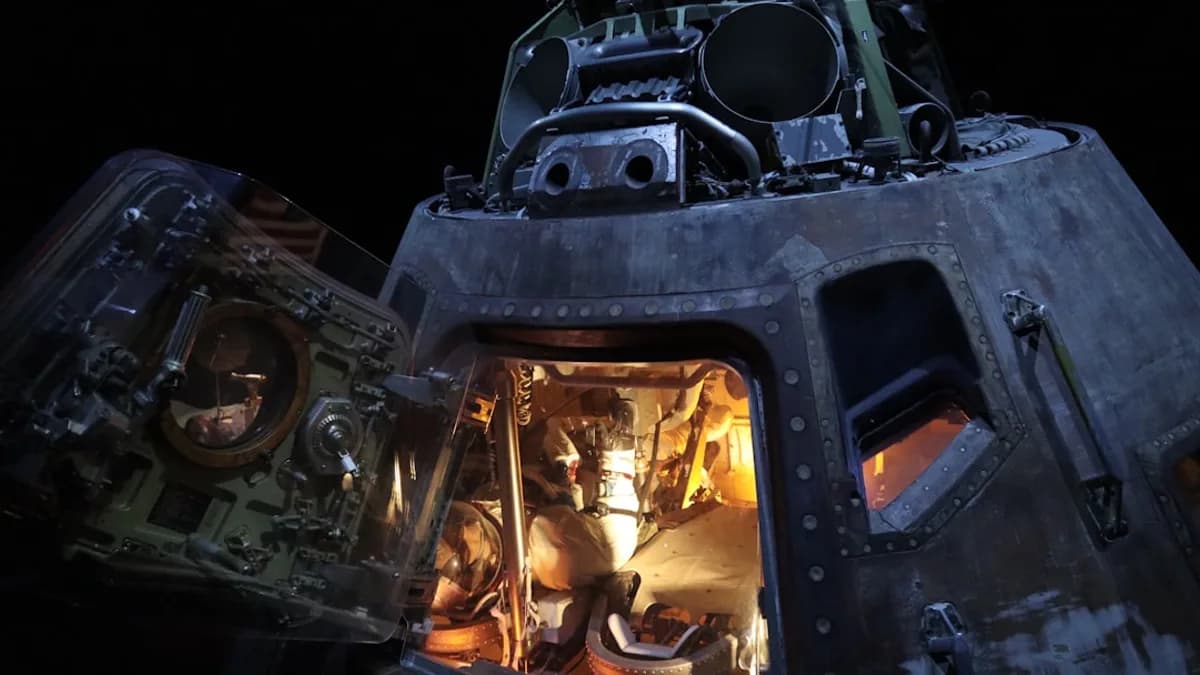
Introduction: The Historic Return of Artemis II
After nine days orbiting farther from Earth than any humans have ever ventured, the Artemis II crew is set to make history once again—this time with their highly anticipated return. The mission marks a pivotal moment in NASA’s Artemis program, laying the groundwork for future lunar and deep-space exploration. Onboard the Orion capsule are four remarkable astronauts: Commander Reid Wiseman, Pilot Victor Glover, Mission Specialist Christina Koch, and Canadian astronaut Jeremy Hansen. Their journey has captured global attention, not only for its record-setting distance but also for the promise it holds for humanity’s next steps beyond our planet. As the capsule prepares to re-enter Earth’s atmosphere and splash down near San Diego, excitement is mounting across the world to witness this milestone in real time [Source: Source].
Understanding the Artemis II Re-entry and Splashdown Process
The final leg of the Artemis II mission is the most perilous. High-speed atmospheric re-entry subjects the Orion capsule to extreme heat and forces, a critical phase that determines the crew’s safe return. Traveling at over 25,000 miles per hour, Orion will encounter temperatures exceeding 5,000 degrees Fahrenheit as it plunges through the atmosphere. The capsule’s heat shield is designed to withstand this intense environment, protecting the astronauts inside from the fiery descent.
Splashdown is planned for the Pacific Ocean, just off the coast of San Diego. NASA has chosen this location for its favorable weather conditions, proximity to recovery assets, and ease of access for medical teams. The timeline is tightly choreographed: re-entry begins minutes before the scheduled landing, culminating in splashdown at approximately 5:07PM Pacific Time (PT) / 8:07PM Eastern Time (ET) [Source: Source]. Once Orion has slowed enough, parachutes deploy to further reduce its speed, ensuring a gentle landing in the water.
After splashdown, Navy recovery teams will quickly secure the capsule and ferry the crew to the USS John P. Murtha. There, astronauts will undergo initial medical checks before being transported by helicopter back to land. This sequence is not only dramatic but essential, as it ensures the crew’s health and safety after their historic journey.
How to Watch the Artemis II Splashdown Live
For those eager to witness the Artemis II splashdown, NASA offers several official ways to watch the event live. NASA TV will provide comprehensive coverage, including live footage of the re-entry, splashdown, and recovery operations. This broadcast is accessible via the NASA website, YouTube, and the NASA app, making it easy to tune in from smartphones, computers, or smart TVs [Source: Source]. Additionally, NASA’s social media platforms—including Twitter, Facebook, and Instagram—will feature real-time updates, behind-the-scenes content, and highlights.
Major technology news outlets like The Verge will also host live blogs and video streams, offering expert commentary and analysis throughout the event. You can access these streams directly through their websites or by following their social media channels for instant notifications.
For the best viewing experience, ensure your device has a stable internet connection. Smart TVs with web browsers or streaming apps can provide a big-screen perspective, while mobile devices allow you to watch on the go. NASA typically schedules pre-splashdown commentary, featuring experts and former astronauts discussing the mission’s key moments and answering viewer questions. This additional context enriches the live broadcast, helping viewers understand the significance of each step in the return process.
What to Expect During the Splashdown and Recovery
As Orion approaches splashdown, viewers will see the capsule slow dramatically thanks to a series of parachute deployments. Once in the water, specialized Navy recovery crews—trained for both maritime operations and astronaut safety—will move swiftly to secure the capsule. Divers will attach flotation devices to stabilize Orion and ensure the hatch can be safely opened.
The USS John P. Murtha, a well-equipped Navy vessel, will serve as the primary recovery platform. Medical teams will stand ready to assess the astronauts immediately upon retrieval. The transition from capsule to ship is carefully managed, with crew members helped out of Orion and escorted to a secure medical area for initial checks. This process is essential, as spaceflight can affect physical health and orientation after extended time in microgravity.
Following their evaluations, the astronauts will be transported by helicopter from the ship to shore. This rapid transfer allows for additional medical care and reunites the Artemis II crew with their families and NASA officials. The recovery sequence is a testament to the coordination between NASA and military partners, ensuring safety and efficiency at every step [Source: Source].
Tips for Following Post-Landing Updates and Celebrations
After splashdown, NASA will publish official updates and press releases detailing the capsule’s recovery, crew health, and any significant mission outcomes. These can be found on NASA’s website and through their press room channels. Social media will be abuzz with photos, videos, and astronaut statements—follow NASA’s Twitter, Instagram, and Facebook accounts for the latest information.
News outlets like The Verge and other technology platforms will continue to provide analysis and coverage, including interviews with mission experts and breakdowns of key moments. For space enthusiasts, virtual watch parties and online discussion forums offer opportunities to connect with others, share reactions, and celebrate the Artemis II mission together. Participating in these events enhances the sense of community around space exploration and keeps you informed about the next stages of the Artemis program.
Conclusion: Celebrating a Milestone in Human Space Exploration
Artemis II’s successful return represents a giant leap for human spaceflight, setting records for distance traveled and paving the way for future missions to the Moon and beyond. The safe splashdown and recovery of Commander Wiseman, Pilot Glover, Mission Specialists Koch and Hansen are achievements that inspire not only scientists and engineers but people everywhere. Watching this historic event live is a rare opportunity to witness the bravery and ingenuity that drive space exploration.
As NASA continues its Artemis program, public engagement remains vital. Following updates, joining discussions, and celebrating milestones helps build support for future missions—ultimately bringing humanity closer to the stars. Don’t miss the chance to be part of this remarkable journey and stay tuned for the next chapters in the Artemis story [Source: Source].