Introduction: Understanding the Northern Lights and This Week’s Rare Visibility
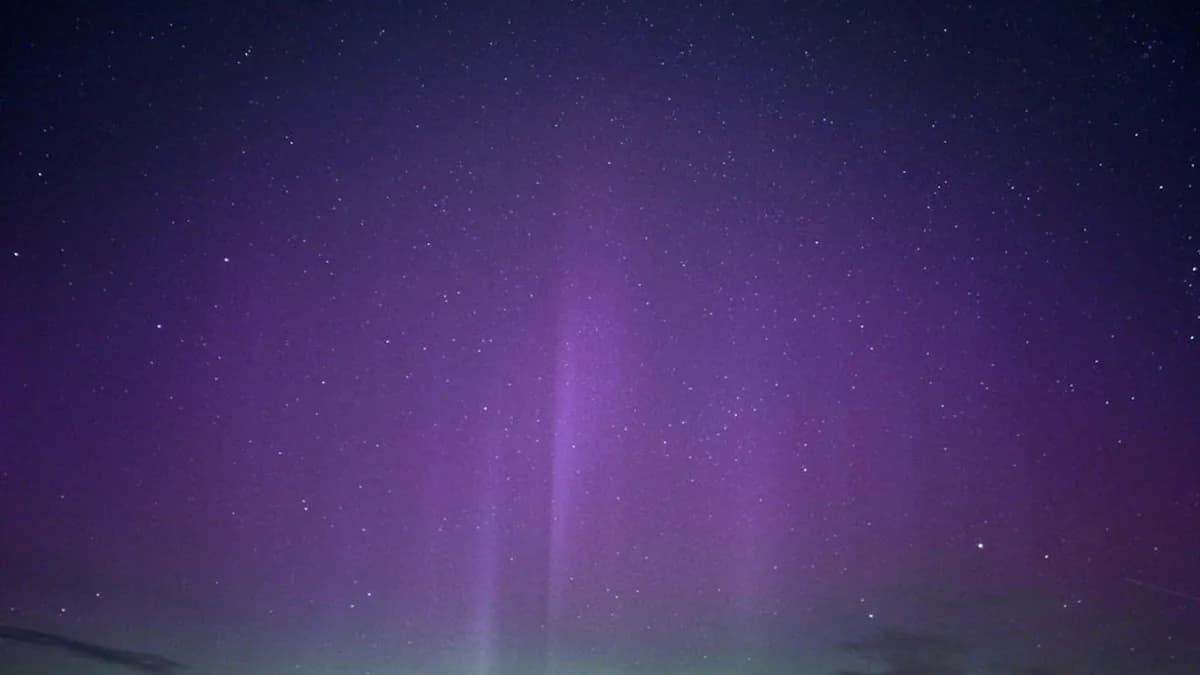
The Northern Lights, known scientifically as the aurora borealis, are a captivating natural phenomenon characterized by shimmering, colorful lights dancing across the night sky. These lights are most commonly visible in regions close to the Arctic Circle. However, on the night of April 17-18, an unusual event will make the aurora visible much farther south than usual, reaching states like Illinois and Oregon. This expanded visibility is expected to span more than 20 states, offering millions of Americans a rare chance to witness the Northern Lights without traveling far from home. For those who have always wanted to see this celestial show, this event is an exciting opportunity, and this guide will walk you through how to make the most of it—whether you’re a seasoned sky watcher or a first-time aurora enthusiast [Source: Source].
What Causes the Northern Lights and Why Are They Visible So Far South Now?
The Northern Lights occur when charged particles from the sun, known as solar wind, collide with Earth's magnetic field and interact with atmospheric gases. These collisions create bursts of energy that manifest as glowing streaks of light in the sky, often appearing in hues of green, pink, and purple. Normally, the aurora borealis is only visible in high-latitude regions because Earth's magnetic field channels solar particles toward the poles.
This week’s expanded aurora visibility is due to heightened solar activity, specifically a geomagnetic storm. When the sun emits a powerful burst of energy—such as a coronal mass ejection—the influx of charged particles intensifies and temporarily distorts Earth's magnetic field. This distortion allows the aurora to extend to much lower latitudes, making it possible for people in states like Illinois and Oregon to see the Northern Lights [Source: Source]. Such events are rare, happening only when solar storms are particularly strong and atmospheric conditions align just right. For sky watchers in these regions, witnessing the aurora is a notable and memorable occurrence.
When and Where to See the Northern Lights on April 17-18
If you’re hoping to catch the aurora, timing and location are crucial. The best time to look for Northern Lights is typically after local midnight, extending into the early morning hours—when the sky is darkest and the aurora’s visibility peaks. According to recent forecasts, more than 20 states could experience the Northern Lights tonight, including Illinois, Oregon, and other states such as Pennsylvania, Iowa, and even as far south as Oklahoma [Source: Source].
To maximize your chances, consult real-time Northern Lights maps and alerts from reputable sources like USA Today, Forbes, and OregonLive.com. These resources provide up-to-date information on aurora activity and predicted visibility zones. Choose a viewing spot away from city lights and other sources of light pollution, ideally in a rural area with a clear view of the northern horizon. Check local weather forecasts to ensure skies will be clear—cloud cover can obscure the aurora, even during a strong geomagnetic storm.
How to Prepare for a Successful Northern Lights Viewing Experience
Preparation is key to enjoying the aurora borealis, especially during a late-night outdoor excursion. Dress warmly in layers, as temperatures can drop significantly during the night. Bring blankets, comfortable chairs, and even a thermos of hot drinks to stay cozy while you wait for the lights to appear. If you plan to view the aurora from a remote location, make sure to carry a flashlight and let someone know your plans.
Leverage technology for the best results. Use apps or websites that track aurora activity in real time, such as the NOAA Space Weather Prediction Center or the Aurorasaurus app. These tools can help you pinpoint the most likely times and places for aurora sightings. Additionally, monitor local weather conditions; clear skies are essential.
If you’re hoping to capture the Northern Lights in photos, bring a camera with manual settings. Use a tripod to steady your shots, and set your camera to a high ISO, wide aperture, and long exposure time to enhance the aurora’s colors and movement. Smartphones can be used, but results may vary; specialized apps for night photography can improve your chances.
Safety is important, especially if you’re venturing out late or into unfamiliar areas. Stick to well-known locations or travel with companions. Avoid trespassing on private property, and be mindful of wildlife and changing weather conditions. Always check local regulations and park hours before heading out.
Tips for Enhancing Your Northern Lights Viewing and Sharing the Experience
For the best aurora viewing, allow your eyes 20-30 minutes to adjust to the darkness—avoid looking at your phone or other bright lights during this time. Bring friends or family to share the experience; witnessing the aurora together can be magical and memorable.
Document the moment with photos or videos, but don’t forget to simply enjoy the spectacle. Share your images and stories on social media, and connect with local astronomy or aurora-watching groups. Engaging with others enhances the experience and helps build excitement within your community.
Conclusion: Making the Most of This Rare Aurora Opportunity
The chance to see the Northern Lights as far south as Illinois and Oregon is a unique and rare event, driven by exceptional solar activity and geomagnetic conditions [Source: Source]. Whether you’re an avid sky watcher or a newcomer, this is an opportunity worth seizing. Prepare thoughtfully, stay safe, and enjoy the magic of the aurora borealis lighting up your local night sky. We invite you to share your experiences and photos with the MLXIO community, celebrating this spectacular celestial show together.