Understanding Alzheimer’s Disease: The Current Scientific Landscape
Every three seconds, someone in the world develops dementia. Most of these cases are Alzheimer’s disease. This brain illness slowly steals memory, thinking, and the ability to do everyday things. It can turn a lively grandparent into someone who struggles to remember their own child. Families watch as their loved ones slip away, bit by bit.
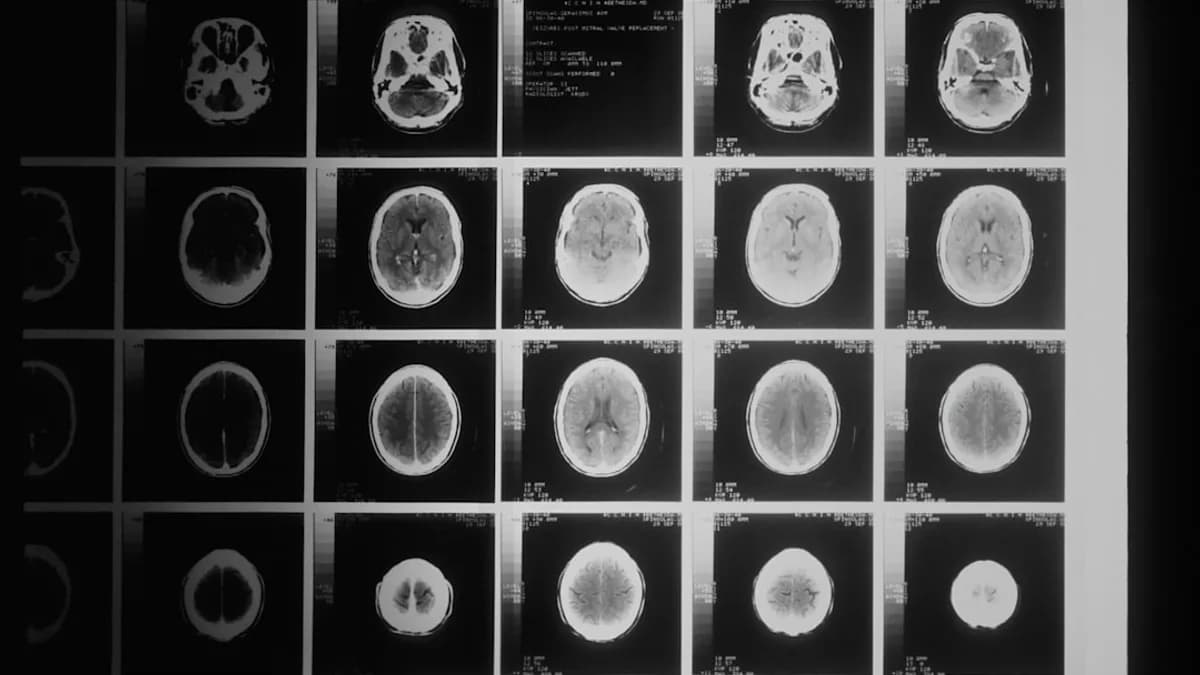
Scientists know more about Alzheimer’s than ever before. The two biggest clues inside the brain are sticky clumps called amyloid plaques and twisted fibers called tau tangles. Amyloid plaques pile up between nerve cells, getting in the way of signals the brain needs to send. Tau tangles clog up the inside of brain cells, causing them to die [Source: Wired].
But even with this knowledge, stopping Alzheimer’s is like chasing smoke. The plaques and tangles are easy to see in brain scans, but no one is sure if they start the disease or are just part of the damage. Most drugs so far target amyloid, but their benefits are small and come with serious side effects. Only a few medicines, like aducanumab and lecanemab, have been approved—and even those only slow the disease for some people by a few months.
For now, there’s no cure. Treatments on the market can help with symptoms, but they don’t stop or reverse the loss of memory or independence. That’s why many call Alzheimer’s the hardest puzzle in medicine. The search for better answers continues, and the stakes could not be higher. As more people live longer, the number facing Alzheimer’s keeps rising, putting pressure on families, doctors, and healthcare systems.
Insights from John Hardy: The Future Direction of Alzheimer’s Research
John Hardy is one of the world’s top Alzheimer’s researchers. At the recent WIRED Health event, he shared where he thinks the field is headed next—and what it will take to really change the game [Source: Wired].
Hardy’s work helped uncover the first gene linked to Alzheimer’s, showing that genetics play a huge role. He stressed that future treatments will need to start much earlier—possibly years before any memory loss shows up. By then, too much brain damage may have already happened. This means doctors need better ways to spot Alzheimer’s early, even in people who feel fine. New genetic tests and blood biomarkers could help catch the disease at its starting line.
He also explained that focusing only on amyloid is not enough. Hardy pointed to fresh research looking at how brain cells clear out waste, how immune cells in the brain spark inflammation, and even how sleep and blood vessels might add to the problem. Scientists are now testing drugs that target these new areas, hoping to block Alzheimer’s from several angles at once.
Hardy is excited about the power of genetics. He believes that by studying families with rare forms of Alzheimer’s, researchers will find new drug targets. These discoveries could help design “precision medicine”—drugs that work for people with certain genetic risks, much like cancer treatments today.
Another big step is using digital tools and smart devices to track brain health over time. Hardy described how wearable tech, smartphone tests, and even artificial intelligence could notice tiny changes in thinking before anyone else does. This could open the door to earlier treatment, before symptoms grow too big to ignore.
Taken together, Hardy’s vision is clear: The next wave of Alzheimer’s breakthroughs will come from mixing better science, new tools, and much earlier action. But even with these advances, he warned that finding a silver bullet will not be easy—or fast.
Beyond Science: The Multifaceted Challenges in Developing Alzheimer’s Treatments
Even the smartest science can’t win this fight alone. Alzheimer’s research faces big hurdles outside the lab. These include tough rules from health agencies, not enough funding, and the way clinical trials are set up.
Bringing a new Alzheimer’s drug to market takes a long time and costs a lot of money. Trials must follow strict guidelines to prove a drug works and is safe. Because Alzheimer’s moves slowly, these studies have to run for years. It’s hard to pick the right patients, since symptoms can start decades after the disease begins. Many trials fail—not always because the drug is bad, but because it’s tested too late or on the wrong group.
Funding is another big roadblock. Alzheimer’s research gets less money than cancer or heart disease, even though it affects millions worldwide. Drug companies are careful, since failed trials burn through cash. Sometimes, smaller biotech startups have new ideas, but they struggle to find backers.
There’s also the challenge of working together. Researchers, drug makers, government agencies, and patient groups often work alone or compete for the same resources. This slows progress. John Hardy called for more teamwork and sharing of data. He believes “open science” can speed up discovery, help avoid repeated mistakes, and get new treatments to patients faster [Source: Wired].
Policymakers play a big role, too. They set rules for which drugs get approved and what tests count as proof. Sometimes, these rules can slow down good ideas or keep patients from trying new treatments. Hardy and other experts say health authorities need to listen to scientists, families, and patients when setting policies.
Finally, patient communities are key. People living with Alzheimer’s and their caregivers know what matters most. Their voices can shape better trials and make sure new treatments fit real-life needs. Some groups now help match families with research studies, spread awareness, and fight for more research dollars.
Without fixing these challenges, even the best science may not reach those who need it. The fight against Alzheimer’s is not just about lab discoveries—it’s about changing how we work, share, and support each other.
The Social and Economic Implications of Advancing Alzheimer’s Therapies
Alzheimer’s is not just a medical problem; it’s a growing social and economic crisis. In the United States alone, families and health systems spend over $340 billion each year caring for people with dementia [Source: Alzheimer’s Association]. This includes hospital stays, nursing homes, medicine, and unpaid care by family members.
If a new treatment could delay or prevent Alzheimer’s, the impact would be huge. More people could stay independent and out of nursing homes. Families might get to keep their loved ones at home longer. Health systems could cut costs tied to emergency visits and long-term care.
But breakthroughs raise tough questions. Who will get these new drugs? Will insurance cover them, or will only wealthy patients benefit? The cost of new Alzheimer’s treatments is high—some of the latest drugs are priced at over $25,000 per year. This puts pressure on governments and insurers to decide what is fair and affordable.
There are also big ethical issues. If doctors can spot Alzheimer’s early, should everyone get tested—even if there’s no cure yet? Some people may not want to know their risk if nothing can be done. Others worry about privacy or discrimination if their genetic information is shared.
Countries with fewer resources may struggle to afford new drugs or advanced testing. This could widen gaps between rich and poor, both within countries and around the world.
Still, the hope is that better treatments will help ease the burden on families and society. If science can turn Alzheimer’s into a treatable condition, it could change millions of lives—and reshape how we think about aging.
Looking Ahead: What It Will Take to Achieve the Next Alzheimer’s Breakthrough
So what needs to happen next? First, science must keep pushing forward. That means bigger investments in research, from both governments and private companies. Labs need better tools to study the brain and track early signs of disease.
But research alone is not enough. Health systems must build ways to spot and help Alzheimer’s patients early. This calls for new clinics, trained doctors, and easy access to testing.
Policies must support both fast approval of new drugs and fair access for all patients—not just those with good insurance. Global cooperation can help share data and speed up discovery.
Most of all, the public must stay aware and involved. Advocacy groups can push for more funding, better care, and less stigma. Families and patients have the power to drive change, if their voices are heard.
Bringing all these pieces together is the only way to make real progress.
Conclusion: Embracing a Holistic Approach to Overcoming Alzheimer’s
Stopping Alzheimer’s will take more than smart lab work. It calls for teamwork across science, medicine, business, and society. Everyone—researchers, doctors, families, and leaders—needs to pitch in.
If all sides unite, share ideas, and put patients first, the next breakthrough could be closer than we think. The road is long, but hope is growing. With the right mix of science, support, and smart policy, we can look forward to a future where Alzheimer’s no longer means losing yourself—or your loved ones—to a forgotten world.
Why It Matters
- Alzheimer’s affects millions of families globally and the number of cases is rising as people live longer.
- Current treatments offer only limited benefits and no cure, highlighting the urgent need for better solutions.
- Progress against Alzheimer’s will require not just scientific breakthroughs but also new approaches to care and support.