Introduction: Overview of World Cup Transit Pricing at MetLife Stadium
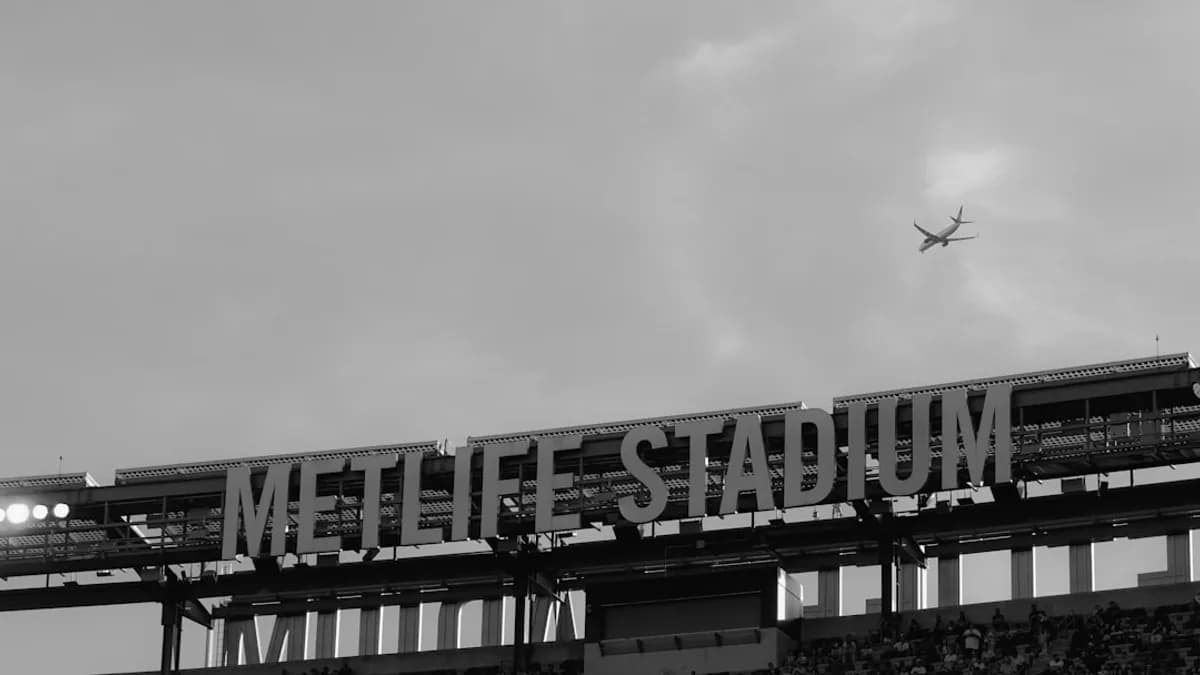
The 2026 FIFA World Cup will bring global excitement to New Jersey, as MetLife Stadium is set to host several high-profile matches. As fans from around the world prepare for this historic event, one detail has sparked widespread debate: the cost of getting to the stadium. Recently, New Jersey officials confirmed that train rides from Secaucus Junction to MetLife Stadium will cost $150 per person, while shuttle services are priced at $80 and parking fees soar to $225 [Source: Source]. The announcement has triggered strong reactions from both the public and media, highlighting concerns over unusually high transit prices for an event of this scale.
This article aims to unpack the reasoning behind these transit fares, compare them to typical prices and other major sporting events, and outline what fans and local residents can expect during the World Cup. By exploring operational, economic, and logistical factors, we provide a comprehensive overview to help travelers plan effectively and understand the broader context of these unprecedented costs.
Details of the Transit Pricing Structure
The headline-grabbing $150 train fare covers roughly six miles from Secaucus Junction to MetLife Stadium, a journey that, under normal circumstances, would cost just a fraction of this amount. For comparison, NJ Transit’s standard fares for similar distances typically range between $3 and $7, underscoring the dramatic increase for the World Cup [Source: Source]. Shuttle services, an alternative to the train, are set at $80 per person, while parking fees for those driving to the stadium reach $225—far higher than the usual event parking rates at MetLife.
New Jersey officials and NJ Transit have clarified that these prices were determined after extensive planning for the World Cup, taking into account the costs of running enhanced services and the anticipated surge in demand [Source: Source]. The fare structure is designed to cover the expenses associated with operating additional trains and shuttles, as well as infrastructure upgrades needed to accommodate tens of thousands of fans.
Comparing these transit costs to other major sporting events reveals a significant disparity. For instance, during the Super Bowl at MetLife Stadium in 2014, the train fare was set at $50, which was already considered steep at the time [Source: Source]. Globally, World Cup venues often offer a mixture of public transit options, with fares typically ranging from standard local prices to modest event surcharges. In Russia (2018) and Qatar (2022), organizers provided free or discounted transit passes for ticket holders, a stark contrast to the New Jersey approach.
The pricing structure for the 2026 World Cup reflects both the unique challenges of hosting such a large-scale event and the financial realities facing local transit agencies. While the fares may seem exorbitant to many, officials point to the complexity and costs of ensuring safe, efficient transportation for a global audience.
Factors Contributing to the Elevated Transit Costs
Several factors contribute to the elevated transit prices for World Cup games at MetLife Stadium. First and foremost are operational challenges. The sheer volume of attendees requires increased security measures, advanced crowd management systems, and specialized event logistics. NJ Transit must run additional trains and shuttle buses, coordinate with law enforcement, and implement protocols to prevent overcrowding and delays [Source: Source].
Infrastructure and service enhancements also play a significant role. To accommodate the influx of fans, NJ Transit is investing in temporary upgrades, such as platform expansions, improved signage, and real-time information systems. These enhancements are necessary to provide a safe and seamless travel experience, but they come at a substantial cost. Temporary service expansions, including more frequent departures and extended operating hours, require extra personnel, equipment, and operational resources.
Economic considerations further explain the fare increases. NJ Transit and state officials have stated that the pricing is designed to recover the expenses associated with the World Cup, including temporary service expansions and additional infrastructure investments [Source: Source]. While some critics argue that the fares are driven by profit motives, officials emphasize the need to balance budget constraints with service quality.
The impact of pandemic-related safety protocols and inflation cannot be ignored. Since the onset of COVID-19, transit agencies have faced higher costs for cleaning, personal protective equipment, and public health compliance. Inflation has pushed up wages, fuel prices, and construction costs, all of which are factored into the fare structure for the World Cup [Source: Source].
Taken together, these factors illustrate the complexity of hosting a major international event and the financial pressures facing transit providers. The elevated fares reflect both the necessity of comprehensive planning and the realities of a post-pandemic, high-inflation economy.
Implications for World Cup Fans and Local Residents
For World Cup fans, the steep transit prices pose a significant financial challenge. Traveling to MetLife Stadium by train could cost $150 per person, adding substantially to the overall trip expenses, especially for families or groups. For many, this could serve as a deterrent, prompting reconsideration of attendance or exploration of alternative transportation options [Source: Source].
Alternatives such as shuttle services ($80) or driving and parking ($225) offer options, but each comes with its own drawbacks. The high parking fee may discourage driving, while shuttles may be limited by capacity and route restrictions. Some fans might turn to rideshare services, cycling, or walking from nearby areas, though these alternatives come with logistical challenges and uncertainties.
Local residents have voiced concerns about increased traffic congestion, limited parking availability, and the potential for overcrowded transit systems. The influx of visitors is expected to strain local infrastructure, impacting everyday commuters and residents. Fan groups and local officials have raised the issue of affordability and accessibility, urging NJ Transit and event organizers to reconsider the pricing or provide discounted options for certain groups [Source: Source].
Transit authorities have responded by promising robust crowd management strategies and enhanced customer support during the event. However, the debate over fairness and accessibility continues, reflecting broader concerns about the intersection of public infrastructure, major events, and community impact.
NJ Transit’s Response and Public Communication
In response to the public outcry and confusion over transit pricing, NJ Transit has issued several statements clarifying the rationale behind the fare increases. Officials emphasize that the $150 train fare is a “special event price” designed to fund expanded services, infrastructure enhancements, and security measures required for the World Cup [Source: Source]. They argue that the fare reflects the extraordinary nature of the event, not a permanent change to regular transit pricing.
NJ Transit is working to provide transparency by releasing detailed breakdowns of anticipated costs and operational plans. Efforts are underway to educate the public on the necessity of the fare structure and to address misconceptions about the pricing. The agency is also developing customer support initiatives, including online ticketing, dedicated information lines, and on-site assistance for travelers during the World Cup.
While there are currently no announced discounts or packages for fans, NJ Transit has indicated that it is exploring options for group travel, family tickets, and partnerships with event organizers to potentially ease the financial burden. Preparations include increasing train and shuttle frequency, deploying additional staff for crowd management, and coordinating closely with security and emergency services.
Ultimately, NJ Transit’s goal is to ensure safe, efficient, and reliable transportation for the tens of thousands of fans expected at MetLife Stadium, while maintaining transparency and responsiveness to public concerns. The agency encourages travelers to stay informed via official channels and plan accordingly for the high-demand event [Source: Source].
Conclusion: What Fans Should Know and Prepare For
The 2026 FIFA World Cup at MetLife Stadium is shaping up to be a landmark event, but fans should be prepared for unprecedented transit costs. With train fares set at $150, shuttle services at $80, and parking at $225, budgeting and travel planning will be essential for anyone attending the matches [Source: Source]. These prices reflect the operational, logistical, and economic challenges of hosting a global event in New Jersey, compounded by inflation and post-pandemic realities.
Fans are advised to stay updated through NJ Transit and event organizers for ticketing options, schedules, and any potential fare adjustments. Exploring alternative transportation methods and sharing rides may help offset some costs. Ultimately, while the excitement of the World Cup is undeniable, balancing that enthusiasm with practical planning will be key to enjoying the event without undue financial strain.
Staying informed, budgeting wisely, and planning ahead can help fans make the most of this once-in-a-lifetime sporting spectacle, even amidst the complexities of transit logistics.