Introduction: Overview of Recent U.S.-Iran Maritime Tensions and Oil Market Impact
A single flashpoint in the Arabian Sea has once again jolted global oil markets and reignited fears of a wider conflict between two long-standing adversaries. This week, after U.S. forces seized an Iranian-flagged cargo ship and reportedly fired upon it, Tehran swiftly denounced the move as “piracy” and vowed retaliation. The incident sent oil prices surging, as the prospect of disrupted supplies triggered anxiety across a market already on edge [Source: Source]. This rapid escalation is not merely a maritime standoff—it’s a stark reminder of how fragile the balance remains in the world’s most critical energy corridor. As the U.S. and Iran trade accusations and threats, energy traders and policymakers must now grapple with whether this is a passing flare-up or the spark for a broader regional crisis.
Details of the Incident: U.S. Actions and Iranian Response
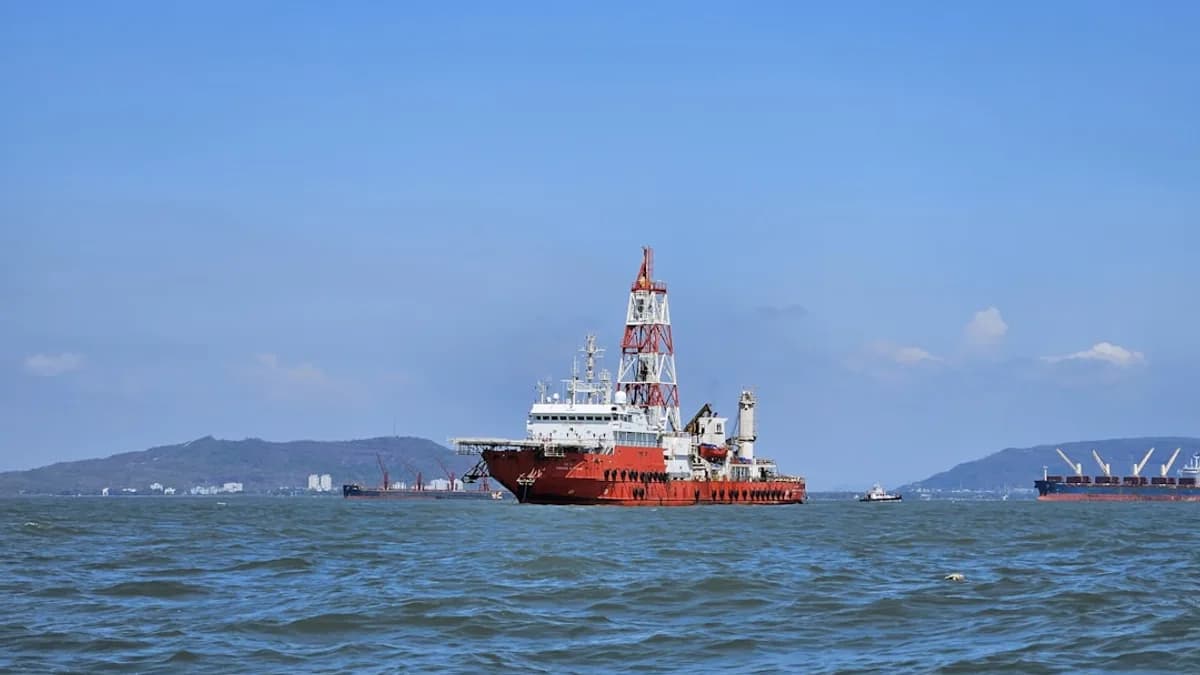
The latest confrontation began when U.S. naval forces intercepted and seized an Iran-flagged cargo vessel in the Arabian Sea, a strategic waterway for global commerce and energy shipments. According to U.S. officials, the operation was justified on grounds of enforcing international sanctions and preventing the transfer of prohibited materials. However, reports indicate the situation escalated when U.S. forces fired on the Iranian ship, either as a warning or to disable it, though details remain contested [Source: Source].
Iranian authorities wasted no time in denouncing the action. Characterizing the seizure as an act of “piracy,” Tehran summoned the Swiss ambassador—who represents U.S. interests in Iran due to the absence of formal diplomatic ties—to lodge a formal protest. Iranian officials warned of “grave consequences” and signaled that a military or asymmetric response could be imminent. The Iranian Revolutionary Guard Corps (IRGC) has a history of retaliating through both direct naval engagements and proxy operations across the region.
Tehran’s rhetoric has grown increasingly bellicose, with promises to “respond in kind” and accusations that the U.S. is seeking to destabilize the region ahead of sensitive diplomatic negotiations. The risk of miscalculation is palpable: even a limited Iranian reprisal—such as targeting commercial vessels, launching cyberattacks, or striking U.S. assets through proxies—could spiral into a broader confrontation. With the U.S. and its allies maintaining a heavy naval presence in the Gulf, the margin for error is razor-thin.
Oil Market Reaction: Why Prices Spiked After the Ship Seizure
The oil market’s response was swift and pronounced. Brent crude, the global benchmark, jumped sharply following news of the incident, while intraday volatility spiked as traders scrambled to assess the risks [Source: Source]. Historically, any significant disruption—or even the threat of one—in the Persian Gulf triggers outsized reactions in energy markets. This is no surprise: nearly a fifth of the world’s oil passes through the Strait of Hormuz, a strategic chokepoint adjacent to the Arabian Sea.
The market’s sensitivity is driven by more than just physical supply risks. The mere perception of instability can prompt speculative buying, as hedge funds and commodity traders seek to profit from potential price swings. This feedback loop can amplify price movements, even if no actual barrels are removed from the market. In this case, the seizure of an Iranian vessel—and the specter of Iranian retaliation—was enough to revive memories of past episodes, such as the 2019 tanker attacks and the 2020 U.S. drone strike that killed General Qassem Soleimani, both of which sent oil prices surging.
Shipping insurers have already raised premiums for voyages through the region, and several tanker operators are reportedly reviewing their contingency plans. With the Arabian Sea serving as a critical artery for Middle East oil exports, even short-lived disruptions could ripple through global supply chains, compounding existing market tightness and inflationary pressures.
Geopolitical Context: U.S.-Iran Relations and the Risk of Renewed Hostilities
This incident is the latest in a long series of maritime confrontations between the U.S. and Iran, stretching back to the 1980s “Tanker War” during the Iran-Iraq conflict. Over the past decade, U.S.-imposed sanctions have crippled Iran’s oil exports, leading Tehran to employ asymmetric tactics—such as harassing shipping, seizing tankers, or attacking regional energy infrastructure—to exert pressure on Washington and its allies.
Diplomatic efforts have produced only intermittent and fragile progress. The 2015 Joint Comprehensive Plan of Action (JCPOA), designed to curb Iran’s nuclear program in exchange for sanctions relief, has unraveled after the U.S. withdrawal in 2018. Since then, tit-for-tat escalations—ranging from sabotage operations to missile strikes—have punctuated the uneasy status quo. Recent months saw a tentative de-escalation, with both sides signaling openness to indirect talks, but the latest ship seizure risks derailing these efforts.
The potential for escalation is real. Should Iran retaliate with attacks on commercial shipping, U.S. military assets, or regional partners, the U.S. could be compelled to respond forcefully. Such a cycle would endanger not only energy flows but also regional security—especially for U.S. allies like Saudi Arabia, the United Arab Emirates, and Israel, all of whom view Iran’s actions as existential threats.
International reactions have been predictably cautious. European governments have called for restraint and renewed diplomatic engagement, while China and Russia have criticized both U.S. sanctions and unilateral military actions. The incident complicates Washington’s efforts to build consensus on Iran policy and could undermine broader cooperation on issues ranging from Ukraine to global energy security.
Implications for Global Energy Security and Future Market Stability
Persistent U.S.-Iran tensions pose a chronic threat to global energy security. The Strait of Hormuz remains the world’s most critical oil chokepoint: any sustained disruption—whether from military conflict, mining, or blockades—could send prices soaring and trigger a global economic shock. While oil-producing nations like Saudi Arabia and Iraq have invested in pipelines that bypass the Strait, these alternatives lack the capacity to offset a major closure.
OPEC, already grappling with market volatility and shifting demand patterns, faces a dilemma. On one hand, higher prices may benefit member states’ revenues in the short term. On the other, prolonged instability threatens to erode demand, accelerate the global shift toward alternative energy sources, and invite unwanted intervention by external powers. In past crises, OPEC has coordinated to stabilize markets by adjusting output, but its ability to manage exogenous geopolitical shocks is limited.
For energy consumers and market participants, risk management is now paramount. Diversifying supply sources, building strategic petroleum reserves, and investing in alternative routes and technologies are all prudent strategies. However, the sheer scale of Middle East exports means that no country or company can fully insulate itself from regional turmoil.
The incident also underscores the need for robust maritime security frameworks. While the U.S. maintains a formidable naval presence, multilateral cooperation—with regional navies, international organizations, and commercial stakeholders—will be essential to ensure the free flow of commerce. Any shift in U.S. or Iranian maritime policy—whether toward greater confrontation or renewed diplomacy—will have immediate and profound implications for the world’s energy markets.
Conclusion: Navigating Uncertainty in U.S.-Iran Relations and Oil Markets
The seizure of an Iranian ship by U.S. forces and the subsequent jump in oil prices have once again exposed the deep vulnerabilities of the global energy system to geopolitical shocks. As both Washington and Tehran dig in, the risk of unintended escalation looms large, raising questions about the durability of current diplomatic efforts and the resilience of global supply chains. For investors, policymakers, and ordinary consumers, vigilance is key: market volatility is likely to persist as long as maritime tensions simmer in the world’s most vital oil corridor. Ultimately, the path forward will hinge on whether cooler heads can prevail—balancing the imperatives of security, diplomacy, and economic stability in an increasingly fractious world.