Introduction: Understanding the Growing Threat of Wildfires in Georgia and Florida
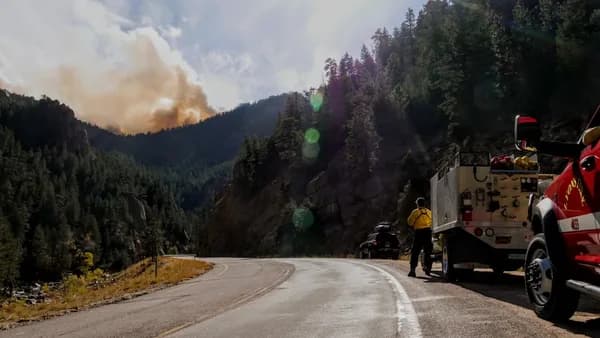
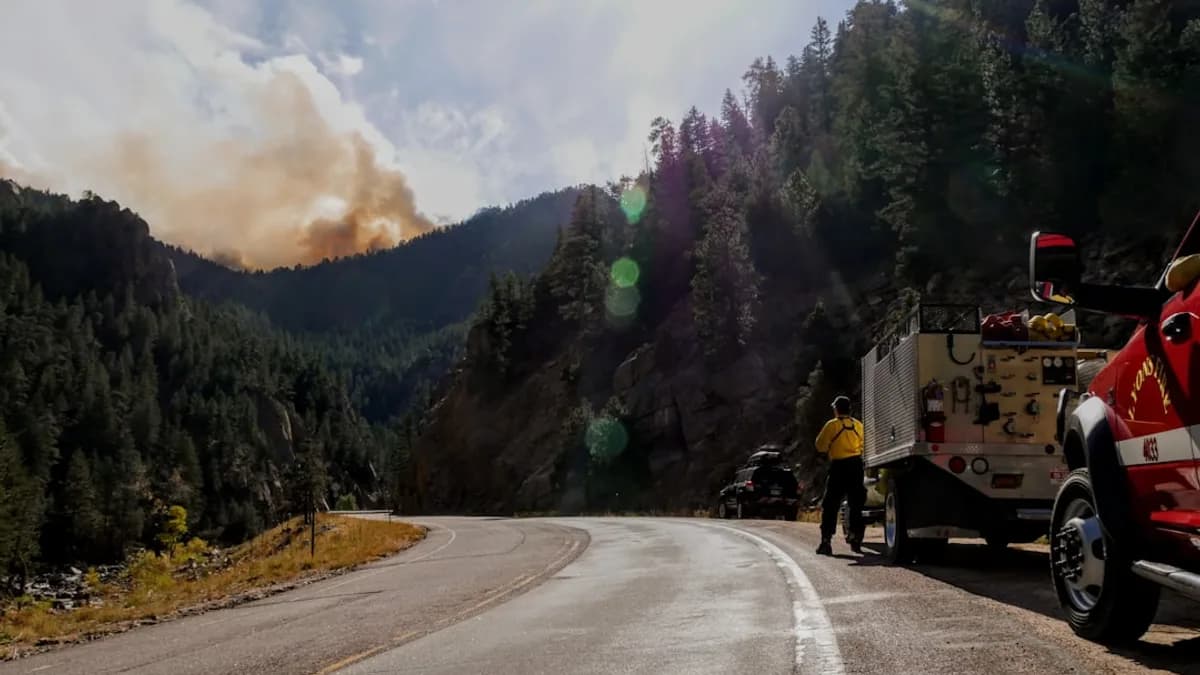
Wildfires have destroyed more than 50 homes and forced families to leave their neighborhoods in Georgia and Florida this week. Thick smoke from fires in South Georgia drifted all the way to Atlanta, making the air hard to breathe and blocking the sun [Source: Google News]. Fire crews are struggling to control flames that have spread fast, with some fire zones covering over 16,000 acres. These fires are worse because of the ongoing drought. Dry grass and dead plants make it easy for fire to start and spread.
For many people living in these states, wildfires are becoming more common and more dangerous. The risk grows with every dry month. That’s why knowing how to protect your home and family before a wildfire hits is so important. Simple steps can help keep you safe, but you need to plan ahead. With weather experts warning about more dry days ahead, being ready is not just smart—it’s necessary.
How to Prepare Your Home and Property to Reduce Wildfire Risk
If you live in a fire-prone area, there are clear steps you can take to protect your property and lower the risk of disaster. The goal is to make your home less likely to catch fire and give firefighters space to work.
Create defensible space. Start by clearing dry leaves, branches, and dead grass from around your house. Aim for a safety zone of at least 30 feet. Remove any bushes or trees that are too close to your windows, doors, or roof. Keep firewood and propane tanks away from buildings. This makes it harder for flames to jump to your home.
Use fire-resistant materials. If you are building or remodeling, pick materials that don’t burn easily. Metal roofs, brick walls, and double-pane windows are safer than wood or plastic. Even small changes, like using gravel instead of mulch near your foundation, can help.
Keep up with maintenance. Clean your gutters often. Leaves and pine needles can catch fire and spread flames to your roof. Check your roof for missing shingles or cracks. Repair any holes or gaps where embers could sneak in. If you have vents, cover them with fine mesh to block burning debris.
Install outdoor sprinklers and keep fire tools handy. Sprinklers can wet the ground and your house, slowing a fire’s progress. Keep garden hoses ready and make sure you have fire extinguishers in easy-to-reach spots. Teach everyone in your family how to use them.
Maintain landscaping wisely. Choose plants that hold water and don’t burn quickly, like succulents. Trim trees so their lowest branches are at least six feet off the ground. Don’t let shrubs grow too close together. This keeps fire from jumping from one plant to the next.
These steps don’t guarantee your home will be safe, but they give you a much better chance. Experts say defensible space is often the reason some homes survive while others are lost. After the fires in California in recent years, studies show homes with cleared zones are far more likely to make it through [Source: National Fire Protection Association].
How to Develop a Personal and Family Wildfire Evacuation Plan
Wildfires move fast. In Georgia and Florida this week, families had to leave with little warning [Source: Google News]. Having a plan can make a huge difference.
Know your routes. Identify at least two ways to leave your neighborhood. Roads can close or get blocked, so having a backup is vital. Mark these routes on a map and keep it where everyone can find it.
Prepare an emergency kit. Pack a bag with key items: important papers, passports, medications, phone chargers, water, snacks, cash, and a flashlight. Don’t forget pet food and supplies if you have animals. Make sure your kit is easy to grab if you need to leave fast.
Set up a communication plan. Decide how you’ll keep in touch with family. Pick a meeting spot outside your neighborhood in case you get separated. Share your plan with neighbors and friends so someone knows where you’ll be.
Practice your plan. Run through your evacuation steps at least once a year. Make sure everyone, from kids to grandparents, knows what to do. Practice helps you act calmly if a real emergency happens.
Keep your car ready. During fire season, don’t let your gas tank get empty. Park facing the road so you can leave quickly. Keep your emergency kit in the car if possible.
In stressful moments, a clear plan can save lives. After wildfires in places like Paradise, California, survivors often said practice and preparation helped them escape when the fire came without warning.
How to Stay Informed and Respond During Active Wildfires
Knowing what’s happening during a wildfire is key to staying safe. Fires can change direction quickly, and conditions can get worse in minutes.
Use trusted sources. Follow local news, listen to weather radio, and sign up for emergency alerts on your phone. Apps like FEMA, Red Cross, and local fire department trackers can show where fires are and where they are moving.
Respect burn bans and fire restrictions. Right now, Georgia has a mandatory burn ban in effect [Source: Google News]. That means no outdoor burning—no campfires, yard burning, or fireworks. These bans help prevent new fires from starting.
Watch for signs of danger. Smoke haze, ash falling, or a sudden change in wind can mean a fire is close. If you see these signs, check news updates and be ready to leave. Listen for evacuation orders. Sometimes, officials will ask people to leave even if the fire isn’t visible yet. Don’t wait for flames—leave early if you’re told to.
Follow instructions from emergency services. If firefighters or police ask you to evacuate, do it right away. Take your emergency kit, lock your doors, and leave the area. Don’t try to stay and protect your property. People who delay often end up trapped.
Help others. If you see neighbors struggling, offer help if you can do it safely. Share information and check in with elderly or disabled people who might need extra time.
Staying calm and following instructions gives everyone a better chance. In past fires, those who listened to warnings often escaped, while those who waited sometimes didn’t.
How Communities and Local Authorities Can Collaborate to Mitigate Wildfire Impact
Wildfires are not just a problem for individuals—they affect whole communities. Local groups and government can work together to reduce risks and help everyone stay safe.
Support fire prevention programs. Many towns run efforts to clear brush, cut firebreaks, and teach people about fire safety. Controlled burns are sometimes used to remove dead plants before they can fuel a wildfire. These programs need community support.
Advocate for drought management. Drought makes fires worse. Cities and counties can invest in water conservation, better irrigation, and smart landscaping. Building codes can require fire-resistant materials in new homes.
Encourage neighborhood watch and volunteer firefighting. Neighbors can look out for each other and report fire hazards. In rural areas, volunteer fire teams often respond first. Training and funding help these teams act quickly.
Promote public education. Schools, libraries, and local groups can teach kids and adults what to do before, during, and after a fire. Sharing real stories from recent fires helps drive the message home.
Improve infrastructure. Roads, bridges, and water systems should be built with fire risks in mind. Making sure emergency vehicles can get through and people can escape quickly saves lives.
Communities that work together recover faster and lose fewer homes. After past fires in Texas and Colorado, towns with active fire programs saw less damage and quicker rebuilding.
Conclusion: Taking Action Now to Protect Lives and Property from Future Wildfires
Wildfires are getting worse in Georgia and Florida, fueled by drought and dry weather. More than 50 homes were lost this week, and hundreds of people had to evacuate [Source: Google News]. But there's hope. If you clear defensible space, build safely, keep up with maintenance, and practice your evacuation plan, you can lower your risk.
Climate trends and drought mean wildfires may hit more often. It’s smart to treat fire readiness as part of everyday life, not just something to worry about in summer. Communities that join together—through education, prevention programs, and strong emergency plans—are safer and stronger.
Now is the time to act. Start with your home. Talk to your family and neighbors. Push for better local fire safety. The steps you take today could save lives and homes tomorrow. Stay prepared, stay informed, and help build a safer future for everyone in fire-prone areas.
Why It Matters
- Wildfires are increasingly common and threaten communities with destruction and evacuation.
- Air quality is severely affected by smoke, impacting public health across large regions.
- Preparation and property maintenance are vital for reducing risk and protecting families.